
DY-50 Intraoral Camera
4.5Editor score
Crystal Clear Pictures
Wide Software Integration
Ergonomic Button Design
This guide compares the top 10 cameras for dental photography including intraoral systems DSLRs and lighting kits to help you choose the right tool.
Finding the right camera for dental photography is essential for documenting cases accurately and building patient trust. Clear images help explain treatment plans and show before and after results effectively.
We compared ten diverse options ranging from specialized intraoral cameras to versatile DSLRs and lighting aids. Each product was evaluated on image quality ease of use and software compatibility for dental workflows.
Our top picks highlight the best budget professional and premium choices for different clinic needs. Remember that product availability and pricing can change so always check current listings before purchasing.
4.5Editor score
4.4Editor score

This side-by-side comparison highlights the key specifications and capabilities of each camera option to help you find the perfect match for your dental practice needs.


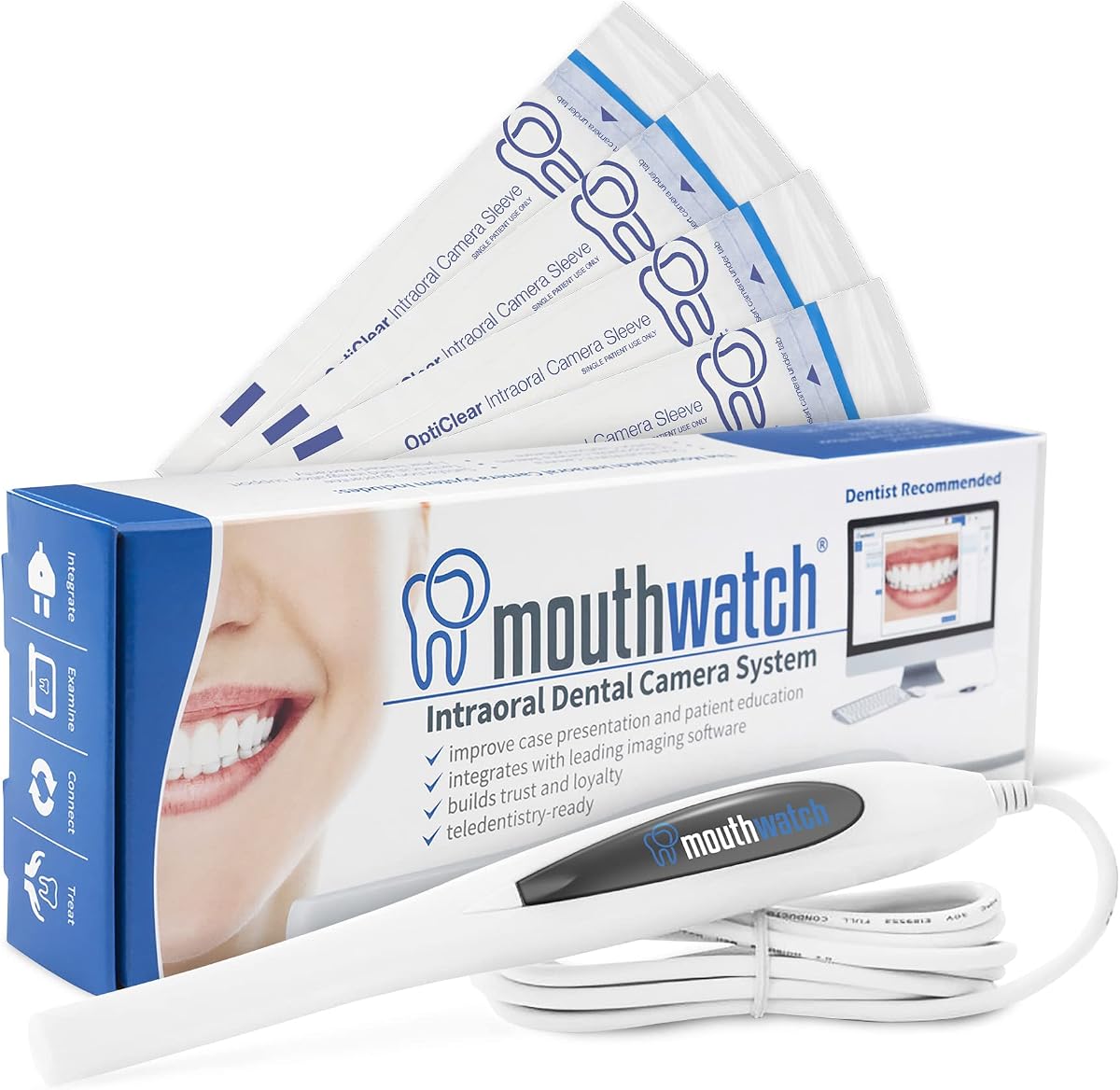
The Intraoral Camera Crystal Clear Images stands out as the top choice for dental professionals seeking reliable and fast imaging. With a 4.4 star rating it delivers sharp focused photos that help patients understand treatment needs effectively.
We may earn a commission when you buy through this link, at no additional cost to you.
Its standout feature is the fixed focal distance of 4mm to 45mm which eliminates auto-focus hunting and ensures immediate sharp captures. The single button capture saves valuable time during patient interactions without needing a mouse or keyboard.
While the fixed focus is efficient it may limit flexibility for non-standard angles compared to manual focus systems. However the ergonomic 31 gram design and seamless software integration with over 50 suites make this trade-off worthwhile for most clinics.
This camera is ideal for dentists who prioritize speed and clarity in daily workflows. We highly recommend it for practices looking to improve case acceptance through better visual communication with patients.
The single button operation allows dental staff to capture images instantly and save them directly to patient charts without interrupting the flow of the appointment.
With support for over 50 major imaging solutions including Eaglesoft and Dexis this camera integrates smoothly into existing dental office software environments.
We may earn a commission when you buy through this link, at no additional cost to you.
The Canon EOS Rebel T7 DSLR offers a powerful alternative for practices needing detailed macro or extra-oral photography. Its 24.1 megapixel sensor captures stunning detail suitable for patient education and lab communication.
We may earn a commission when you buy through this link, at no additional cost to you.
This camera shines with its flexible lens ecosystem allowing users to switch to macro lenses for extreme close-ups. The built-in Wi-Fi and NFC simplify transferring images to mobile devices for quick reviews during consultations.
Unlike dedicated intraoral cameras it is bulkier and requires manual setup for proper lighting and positioning. However for clinics that also handle general photography or want higher resolution for large prints it provides excellent value.
We recommend this DSLR for dentists who need versatility beyond standard intraoral shots. It pairs well with dedicated macro lenses and ring flashes to achieve professional dental photography results.
The 24.1 megapixel APS-C CMOS sensor ensures that fine textures and color variations in teeth are captured accurately for diagnostic and presentation purposes.
Built-in Wi-Fi and NFC enable quick wireless sharing of images to smartphones or tablets facilitating instant patient communication and record keeping.
We may earn a commission when you buy through this link, at no additional cost to you.
The Canon EOS Rebel T7 Bundle provides a comprehensive package for dental practices looking to start DSLR photography. It includes essential accessories like a memory card bag and shoulder strap ensuring you have everything needed from day one.
We may earn a commission when you buy through this link, at no additional cost to you.
This bundle maintains the strong image quality of the T7 with its 24.1 megapixel sensor and DIGIC 4+ processor. The included shoulder bag protects your investment while the 64GB card offers ample space for patient records.
While the setup is more involved than intraoral units the added control over lighting and composition yields superior results for complex cases. The wireless sharing features keep you connected without physical cables.
We suggest this bundle for clinics expanding their imaging capabilities beyond standard intraoral needs. It is a robust choice for those willing to invest time in learning DSLR basics for professional outcomes.
Including a memory card bag and shoulder strap ensures your camera stays organized and protected during transport between treatment rooms or external appointments.
Built-in Wi-Fi and NFC allow seamless transfer of images to mobile devices making it easier to share results with patients immediately after the procedure.
We may earn a commission when you buy through this link, at no additional cost to you.
The Canon EOS R50 Mirrorless brings modern features to dental photography with its advanced autofocus and high speed performance. Its Dual Pixel CMOS AF II covers the entire frame ensuring sharp focus even on intricate tooth details.
We may earn a commission when you buy through this link, at no additional cost to you.
This camera supports 4K video recording which is valuable for teaching patients about procedures or recording time lapse treatments. The touchscreen vari-angle display makes composing shots from awkward angles much easier.
Although it requires specific RF mount lenses the system is future-proof and lightweight compared to older DSLRs. The fast continuous shooting helps capture moments quickly without missing critical details during busy appointments.
We recommend this for forward-thinking clinics wanting both still and video capabilities. It balances professional image quality with user-friendly features suitable for a range of dental photography needs.
The Dual Pixel CMOS AF II covers up to 100 percent of the frame with deep learning subject detection for precise focusing on teeth and gums.
Recording high resolution video allows you to create engaging content for patient education social media or internal training materials within your practice.
We may earn a commission when you buy through this link, at no additional cost to you.
The Sony ZV-1 Camera Bundle offers a portable solution for dental professionals who value mobility and ease of use. Its compact form factor makes it easy to carry between offices or to external educational events.
We may earn a commission when you buy through this link, at no additional cost to you.
The 24-70mm ZEISS lens provides excellent clarity and the built-in Product Showcase mode automatically switches focus when objects come close to the camera. This is useful for displaying dental models or tools during consultations.
While the fixed lens limits extreme macro capability the camera delivers high quality images in various lighting conditions. The included accessories like tripod and memory card enhance its readiness for professional use.
We suggest this for dentists needing a travel-friendly camera for presentations and social media. It combines professional image quality with creator-friendly features ideal for content-heavy dental practices.
This feature automatically adjusts focus when an object like a dental model moves close to the lens making it easy to highlight details without manual switching.
The 3-capsule directional microphone isolates voices clearly allowing you to record narration or patient testimonials alongside your dental images or videos.
We may earn a commission when you buy through this link, at no additional cost to you.
The 8K Digital Camera Autofocus provides an accessible entry point for clinics needing basic digital imaging without high costs. It offers high resolution claims and digital zoom features that allow flexible framing for general documentation.
We may earn a commission when you buy through this link, at no additional cost to you.
With WiFi connectivity and dual batteries this camera supports uninterrupted workflow throughout the day. The touch screen makes it intuitive to navigate settings and review images immediately after capturing them.
While digital zoom can compromise sharpness compared to optical systems it remains a useful tool for quick snapshots. The included accessories like lens hood and memory card add to its value for new users.
We recommend this for small practices or students looking to start dental photography on a budget. It covers basic needs but may require upgrades for high precision diagnostic imaging.
The 88MP sensor aims to capture fine details in dental work allowing for clear visualization of textures and conditions on tooth surfaces.
Included dual high-capacity batteries ensure you can shoot through long days without worrying about running out of power during patient sessions.
We may earn a commission when you buy through this link, at no additional cost to you.
The DY-50 Intraoral Camera delivers reliable performance at an affordable price making it ideal for budget-conscious practices. It integrates well with major software platforms ensuring your images are stored correctly in patient records.
We may earn a commission when you buy through this link, at no additional cost to you.
Its anti-fog lens prevents condensation during oral examinations maintaining clear visibility throughout the procedure. The ergonomic design allows easy operation with one hand so you can focus on the patient.
While the resolution is modest compared to newer sensors it remains sufficient for most clinical documentation needs. The plug-and-play USB setup minimizes IT overhead and gets you started quickly.
We highly recommend this for new clinics or solo practitioners needing a dependable tool without overspending. It balances cost and functionality effectively for routine intraoral photography tasks.
The lens is designed to resist fogging during use in the mouth ensuring that images remain clear without needing constant wiping or adjustments.
Drivers for this camera work with a long list of imaging software including Dexis Eaglesoft and Schick making integration straightforward for most offices.
We may earn a commission when you buy through this link, at no additional cost to you.
The DARYOU DY-60 Intraoral camera adds versatility with its 4X zoomable lens allowing closer inspection of specific areas without moving the handpiece. This feature helps highlight small details like cracks or margin lines effectively.
We may earn a commission when you buy through this link, at no additional cost to you.
It supports HD video recording which can be useful for dynamic cases or showing movement in function. The capture button works seamlessly with major software systems keeping your workflow smooth during appointments.
Though the zoom is digital and may slightly reduce sharpness it provides a useful range for different shot types. The included drivers ensure quick setup without additional hardware or complex configuration.
We suggest this for dentists who need more control over magnification than fixed lenses allow. It offers a practical balance of flexibility and ease of use for daily practice needs.
The zoomable lens lets you adjust magnification levels to capture both broad views and close-up details of teeth and gums during examinations.
Recording video in 720P allows you to document functional movements or dynamic procedures that still images cannot fully capture for patient records.
We may earn a commission when you buy through this link, at no additional cost to you.
The UNK Kime-X8S Elite System represents a complete multimedia solution for modern dental clinics. It combines a high-performance camera with a 17 inch touchscreen computer enabling seamless workflow management and patient communication.
We may earn a commission when you buy through this link, at no additional cost to you.
The QR code photo transfer feature allows instant sharing of images to any device without cables or complicated software. This streamlines the process of showing patients their treatment results immediately after the session.
While the system requires more physical space than handheld units its integrated display supports quad-split views for before and after comparisons. The ultra-slim camera reduces clutter and improves comfort during exams.
We recommend this for practices wanting an upgraded all-in-one experience. It simplifies image handling and enhances patient presentations through advanced display and connectivity options.
The integrated computer provides a large interface to switch between views compare images and manage patient records without needing a separate desktop PC.
QR code functionality enables rapid wireless transfer of photos to mobile devices making it easy to share results with patients or external consultants.
We may earn a commission when you buy through this link, at no additional cost to you.
The Dental Photography Aid Light enhances image quality by providing consistent illumination for intraoral and extra-oral shots. Proper lighting is critical for capturing true colors and fine details that cameras alone cannot achieve.
We may earn a commission when you buy through this link, at no additional cost to you.
Its adjustable brightness knob allows you to match light levels to different environments preventing overexposure or shadows inside the mouth. The flexible support bar enables omni-directional positioning to suit any patient angle.
This aid works well with both dedicated dental cameras and standard smartphones making it versatile for various setups. The USB charging ensures you do not rely on disposable batteries during busy clinic hours.
We recommend this for any practitioner using handheld devices for photography. It significantly improves image clarity and helps show accurate tooth surfaces for better patient communication.
The brightness control lets you fine-tune light intensity to suit different needs preventing glare while ensuring clear visibility of tooth structures.
A removable support bar allows you to adjust angles easily so you can get the best light direction for oral photography without obstruction.
We may earn a commission when you buy through this link, at no additional cost to you.
Choosing the right dental camera involves balancing budget image quality and software needs. This guide breaks down the key factors to consider for your practice.
Decide between intraoral cameras that fit inside the mouth and DSLR or mirrorless systems for broader imaging. Intraoral units are faster for routine checkups while DSLRs offer more creative control and macro options.
Select the type that matches your primary use case whether it is daily documentation or detailed lab communication.
Ensure the camera works with your existing imaging software. Many dental cameras require specific drivers to integrate with systems like Dexis or Eaglesoft to avoid workflow interruptions.
Check the supported list before purchasing to guarantee seamless integration with your current practice management tools.
Higher resolution sensors capture more detail which is vital for showing tiny cracks or color changes to patients. Look for cameras that produce sharp images even in low light conditions.
Prioritize quality that meets your diagnostic and presentation standards without overpaying for unnecessary specs.
A camera with single button operation or ergonomic design saves time during patient interactions. Complex menus or heavy devices can slow down your workflow and reduce efficiency.
Opt for user-friendly features like plug-and-play USB or quick capture buttons for better daily performance.
Wireless options like Wi-Fi or Bluetooth simplify transferring images to mobile devices or computers instantly. This reduces cable clutter and speeds up documentation processes in busy clinics.
Choose models with robust connectivity to keep your digital records updated and accessible across devices.
Even the best camera needs proper lighting. Consider if you need built-in lights or external kits to avoid shadows and ensure accurate color representation in your photos.
Invest in adjustable lighting aids to enhance image clarity regardless of the camera you choose.
Prices vary widely from affordable budget tools to premium all-in-one systems. Determine your financial limits and focus on features that deliver the most value for your specific practice size.
Balance upfront costs with long-term benefits like durability and software support to maximize your investment.
Reliable customer support can make a difference when technical issues arise. Look for vendors offering lifetime support or clear warranty terms to protect your equipment.
Choose brands with responsive service teams to ensure minimal downtime during critical appointment hours.
Start by cleaning the camera handpiece with an approved disinfectant before and after each patient to maintain hygiene standards. Use protective sheaths where applicable to prevent cross-contamination and extend device life.
Practice proper lighting positioning to avoid shadows inside the mouth. Adjust brightness levels based on the area you are capturing to ensure colors are true to life and details are visible.
Regularly update your camera drivers and software to maintain compatibility with your imaging suite. Store your equipment in a dry case when not in use to protect against moisture and physical damage.
The best camera depends on your specific needs. For fast routine imaging an intraoral camera like the Crystal Clear model works well. For versatile high-detail work a DSLR like the Canon T7 is highly capable.
Most dental cameras require drivers to integrate with practice software. Always verify compatibility with systems like Dexis or Eaglesoft before purchasing to avoid integration issues in your workflow.
Clean the handpiece with an approved disinfectant wipe after every use. Use protective sheaths where available to reduce cleaning time and ensure patient safety during examinations.
Smartphones can work with proper lighting and magnification attachments. While convenient they may lack the resolution and consistency of dedicated intraoral cameras for clinical documentation.
Adjustable LED lighting kits that provide even illumination without glare are ideal. Good lighting ensures true colors and clear details which are essential for patient education and lab communication.
Yes many models offer plug-and-play USB setups with included drivers. Check the software list to ensure seamless integration with your existing practice management systems.
We explored ten top options ranging from specialized intraoral units to versatile DSLRs and lighting aids. Each choice offers unique benefits for documenting cases and communicating treatment plans effectively.
Prioritize software compatibility and ease of use to streamline your daily workflow. Investing in the right tool enhances patient trust and supports better clinical outcomes.
Remember to check current prices and availability before making a decision as listings may change. Select the camera that best fits your practice size and imaging goals.