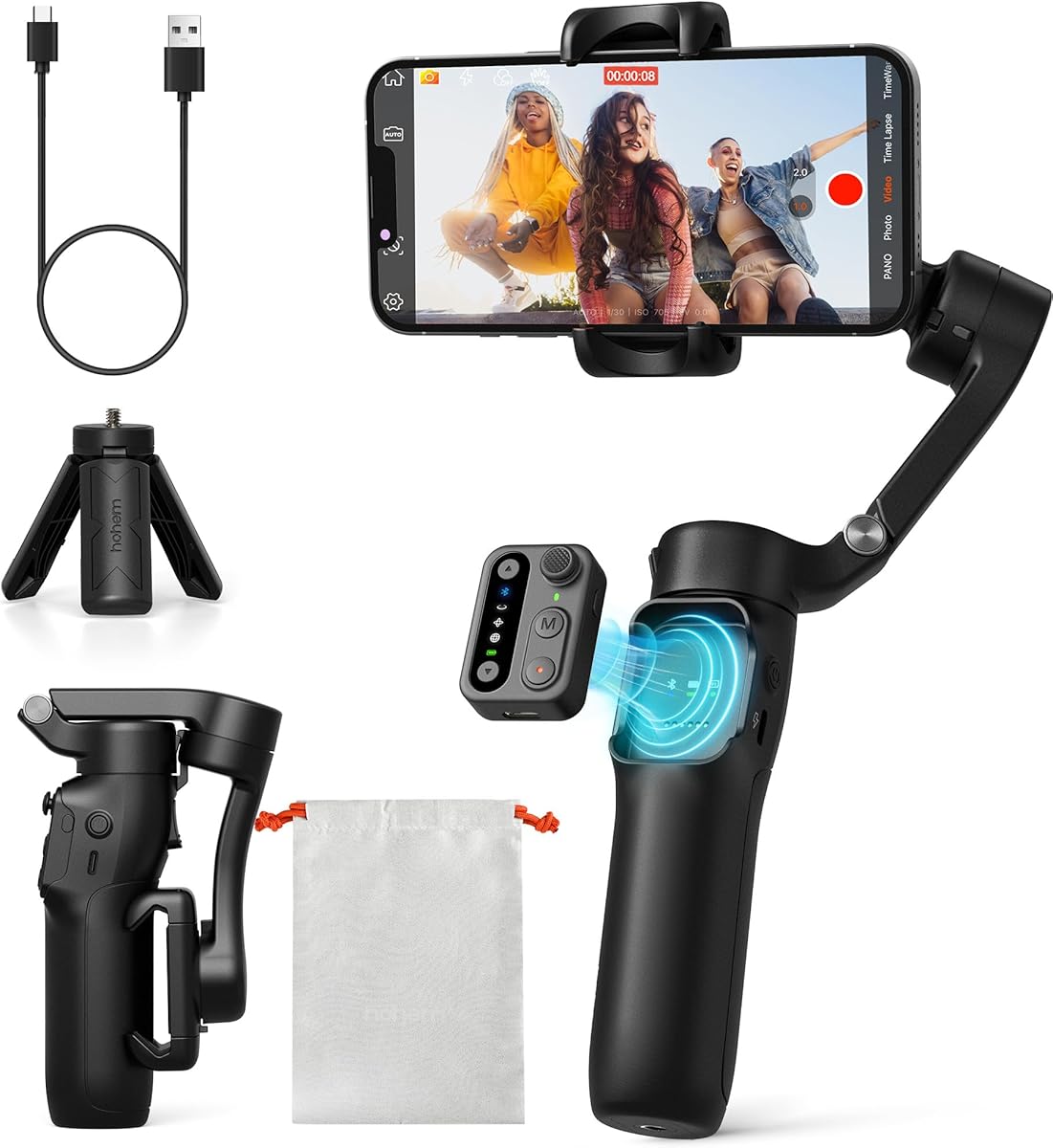
hohem iSteady X3 SE
4.2Editor score
Detachable remote controller
Eleven hour battery life
Foldable pocket-sized design
Capturing smooth footage while climbing mountains requires specialized gear designed to handle rugged terrain. A reliable gimbal ensures your videos remain steady even during treks over rocks and uneven trails.
We analyzed ten top-rated stabilizers focusing on durability, portability, and battery endurance. Each product was evaluated based on real-world performance metrics relevant to outdoor adventurers and content creators.
This guide details key features and trade-offs for every model listed. Note that prices fluctuate frequently so verify current costs before making your final purchasing decision for your next expedition.
4.2Editor score

4.5Editor score

4.5Editor score
As an Amazon Associate we earn from qualifying purchases.
The following comparison table outlines the core specifications and capabilities of each selected gimbal model to help you quickly identify the best fit for your mountaineering needs.


The DJI Osmo Pocket 3 is a premium vlogging camera with advanced stabilization making it ideal for capturing smooth footage while mountaineering. It holds a high user rating due to its superior image quality and ease of use in various environments.
We may earn a commission when you buy through this link, at no additional cost to you.
Its one-inch CMOS sensor delivers excellent image quality even in challenging lighting conditions found at high altitudes. The three-axis mechanical stabilization ensures footage remains steady whether you are hiking or standing still on a summit.
While it is more expensive than basic phone gimbals the all-in-one design removes the need for extra mounting gear. The rotating screen allows for quick framing which is valuable when terrain makes holding a phone awkward.
For serious outdoor creators who prioritize video quality and convenience this camera is the top recommendation. It balances professional features with a portable form factor that fits easily into a mountaineering backpack.
The large one-inch sensor captures significantly more light than standard smartphone cameras resulting in clearer videos at sunrise or sunset on the mountain.
The intuitive interface and responsive touchscreen make it easy to adjust settings quickly without fumbling through complex menus during short rest breaks.
We may earn a commission when you buy through this link, at no additional cost to you.
The hohem iSteady MT3 Pro is a versatile gimbal designed to support a wide range of cameras from smartphones to mirrorless systems. Its robust build and advanced tracking features make it suitable for demanding outdoor shooting conditions.
We may earn a commission when you buy through this link, at no additional cost to you.
One of its standout features is the built-in AI camera that tracks subjects without needing a phone connection. This allows you to film yourself climbing or hiking hands-free while maintaining perfect focus throughout the shot.
The detachable touchscreen remote offers flexible control options which is useful when the main handle is obscured by gear. However the weight and size might be less ideal for lightweight ultralight mountaineering where every ounce counts.
If you need a single device that can handle multiple camera types and offer professional features this gimbal is an excellent choice. It provides the stability and control necessary for creating cinematic adventure content.
The internal AI camera tracks movement independently allowing for dynamic shots without requiring a separate smartphone connection or app management.
With a runtime of up to twenty hours on a single charge you can capture long expeditions without worrying about recharging frequently.
We may earn a commission when you buy through this link, at no additional cost to you.
The hohem iSteady X3 SE offers an affordable entry point into smartphone stabilization for outdoor enthusiasts. It provides solid performance for its price point while maintaining a lightweight profile perfect for travel.
We may earn a commission when you buy through this link, at no additional cost to you.
Its detachable magnetic remote allows you to control recordings from a distance which is handy for group shots or capturing yourself on a trail. The gimbal folds neatly into a pocket making it easy to carry during long hikes.
While it lacks the advanced AI features of premium models it handles basic stabilization very well. The battery life is sufficient for a full day of shooting ensuring you do not run out of power mid-expedition.
For hikers and casual vloggers who want smooth footage without spending a lot this gimbal is the best value choice. It balances essential features with portability effectively for everyday mountain adventures.
The magnetic remote control attaches easily to the handle or can be held separately for capturing shots from unique perspectives without walking back to the phone.
Its foldable design ensures the gimbal takes up minimal space in your pack allowing you to save room for essential mountaineering gear.
We may earn a commission when you buy through this link, at no additional cost to you.
The DJI Osmo Mobile 8 is a feature-rich smartphone gimbal designed for content creators who need reliable performance during dynamic shoots. It combines tracking with built-in accessories to simplify your workflow on the mountain.
We may earn a commission when you buy through this link, at no additional cost to you.
Native tracking capabilities allow you to keep subjects in focus automatically which is useful for filming hiking partners or pets. The built-in tripod adds versatility allowing for stable time-lapses of mountain sunsets without needing extra gear.
Although the app availability may require manual download the hardware itself is robust and easy to use. The extended battery life ensures you can shoot for long periods which is critical during full day treks.
This gimbal is ideal for users who want a comprehensive solution for phone filming without buying separate lights or tripods. Its ease of use makes it a strong candidate for general mountaineering documentation.
Built-in lighting options help you get well-lit shots even in low light conditions like deep valleys or forest trails.
The included selfie stick and tripod functionality allows for flexible shooting angles ranging from low ground shots to high vantage points.
We may earn a commission when you buy through this link, at no additional cost to you.
The DJI Osmo Mobile 7 stands out for its featherlight design making it extremely comfortable to carry during long treks. It provides smooth stabilization essential for walking videos on uneven mountain terrain.
We may earn a commission when you buy through this link, at no additional cost to you.
Its ergonomic grip reduces wrist strain which is important when you need to film for extended periods. The dual-lens tracking system ensures accurate subject focus even if you are moving quickly down a slope.
The foldable design means it can be tucked away safely when not in use protecting it from the elements and rough handling. Battery life is strong enough to last through most day trips without needing a recharge.
For mountaineers who prioritize weight savings and comfort this gimbal is a top choice. It delivers professional results without adding significant bulk to your essential gear list.
The anti-slip handle and lightweight construction ensure you can hold the gimbal steady for long durations without discomfort.
Unfolding the gimbal takes seconds allowing you to start recording quickly when you spot a scenic view on the trail.
We may earn a commission when you buy through this link, at no additional cost to you.
The Hohem iSteady Pro 4 is designed specifically for action cameras with a splashproof rating that protects against rain and snow. This makes it a reliable tool for mountaineering where weather can change rapidly.
We may earn a commission when you buy through this link, at no additional cost to you.
Its Bluetooth connection allows you to control the action camera directly from the gimbal saving battery on the camera itself. The quick release mechanism makes it easy to detach the camera when needed for hands-free mounting.
With a fourteen hour runtime the gimbal provides ample power for extended climbs. It can also act as a power bank to charge your camera mid-shoot ensuring you do not lose footage to dead batteries.
If you rely on action cameras for your adventure content this gimbal offers essential protection and control features. It balances ruggedness with functionality to suit the demands of outdoor filming.
The IPX4 rating means the gimbal can withstand water splashes from any direction giving you peace of mind during unexpected mountain rain.
The long battery life combined with power bank capability ensures you can keep filming throughout long multi-day trips.
We may earn a commission when you buy through this link, at no additional cost to you.
This version of the Hohem iSteady Pro 4 emphasizes quick release functionality which is vital for capturing fleeting moments during climbs. The spring-loaded clip allows you to mount and unmount your camera in seconds.
We may earn a commission when you buy through this link, at no additional cost to you.
Features like the Inception mode allow for creative transitions that can elevate your mountaineering storytelling. The IPX4 splashproof design ensures the device survives wet conditions often encountered at high altitudes.
The inclusion of both Bluetooth and cable control options gives flexibility in how you connect to your action camera. This versatility is useful when dealing with different camera models or connection issues.
For action camera users who need speed and durability this gimbal is a practical solution. It simplifies the process of switching between handheld and static shots while on the trail.
The quick release mechanism lets you detach your camera instantly to hand it to a friend or set it down safely.
Advanced modes like Inception allow you to create unique video effects that showcase the scale of your mountain environment.
We may earn a commission when you buy through this link, at no additional cost to you.
The DJI RS 3 Mini is a compact gimbal designed to support mirrorless cameras without adding excessive weight to your load. It is built to handle various lens combinations which is great for landscape and portrait shots.
We may earn a commission when you buy through this link, at no additional cost to you.
Weighing only 795 grams it is easy to hold for extended periods during a trek. The full-color touchscreen provides quick access to settings which helps when you need to adjust settings rapidly between shots.
Its compatibility with major camera brands makes it a versatile choice for those already invested in a specific system. The vertical shooting mode is particularly useful for social media content capturing your journey.
If you need professional camera quality in the mountains this gimbal offers the stability required for high-resolution footage. It balances performance and portability better than most competitors in its class.
The touchscreen interface simplifies setup and adjustment reducing the time you spend fiddling with knobs while hiking.
High-torque motors provide reliable stabilization even with heavier lenses ensuring sharp images in windy conditions.
We may earn a commission when you buy through this link, at no additional cost to you.
The DJI Osmo Mobile 7P enhances smartphone filming by integrating a multifunctional module that supports mic reception and lighting. This feature set makes it a strong contender for outdoor creators who need audio and video quality.
We may earn a commission when you buy through this link, at no additional cost to you.
The built-in extension rod allows for wide-angle shots and group selfies without needing a separate accessory. This is particularly useful when documenting a team reaching a summit together.
Dual-lens tracking improves subject focus which is helpful when shooting in complex environments with multiple moving elements. The battery life supports extended use ensuring you do not miss key moments.
This gimbal is ideal for users who want an all-in-one solution for high-quality smartphone vlogging. It provides the necessary tools to create professional content while on the move.
The ability to connect external microphones ensures clear audio capture even in windy mountain environments.
The built-in rod provides extra length for capturing wide landscape shots that would be impossible with a standard phone grip.
We may earn a commission when you buy through this link, at no additional cost to you.
The FeiyuTech SCORP Mini-3-Pro supports a wide range of devices from action cameras to smartphones offering exceptional versatility. Its high payload capacity allows you to use heavier cameras while maintaining stable footage.
We may earn a commission when you buy through this link, at no additional cost to you.
Built-in AI tracking follows subjects without needing an app which simplifies solo shooting on the trail. The detachable handle allows for flexible control options making it easier to shoot from various angles.
Active phone cooling prevents overheating during long recording sessions in warm weather conditions. The extensive battery life ensures the device remains functional throughout full day outdoor adventures.
For creators who use multiple camera types this gimbal provides a unified solution. It combines advanced tracking with durable construction to meet the needs of serious mountaineering videographers.
The 4-in-1 compatibility means you can use a single gimbal for both your phone and action camera reducing gear clutter.
The cooling fan keeps your phone cool during long recording sessions preventing performance drops due to overheating.
We may earn a commission when you buy through this link, at no additional cost to you.
Selecting the right gimbal for mountaineering involves balancing weight stability and battery life to ensure reliable performance in the field.
Payload capacity refers to the maximum weight of camera and accessories the gimbal can stabilize effectively. For mountaineering you want a gimbal that can handle your gear without becoming unbalanced or struggling to move smoothly.
Check the manufacturer specifications to ensure the payload matches your camera body and lens combination. A higher payload often indicates stronger motors which are beneficial for outdoor stability.
Long battery life is essential for mountaineering trips where access to power sources may be limited. Look for gimbals that offer at least ten hours of continuous operation to cover a full day of hiking and filming.
Consider models with power bank capabilities so you can charge other devices. This feature adds significant value for outdoor adventures.
Mountaineering often involves exposure to rain snow and cold temperatures. A gimbal with splashproof or weather-resistant ratings will protect your investment from the elements.
Look for IP ratings such as IPX4 to ensure protection against water splashes. This durability is crucial for reliability in variable outdoor conditions.
Since you will be carrying the gimbal on your back it should be lightweight and compact. Excess weight can lead to fatigue during long treks.
Folding mechanisms help reduce the space required in your backpack. A portable design ensures you can bring the gimbal along without compromising on essential mountaineering gear.
Advanced tracking systems allow the gimbal to follow subjects automatically without manual intervention. This is useful for solo climbers or group shots where you need to keep moving while filming.
AI tracking features eliminate the need for external devices or complex setups. Look for models that offer smooth follow modes to enhance your video quality.
A user-friendly interface is vital when you are tired or in a hurry. Intuitive controls and quick setup times help you capture moments without fumbling through menus.
Physical buttons and clear displays are preferable to touch-only interfaces. This ensures functionality even with gloves on in cold weather.
Reliable connectivity between the gimbal and your device ensures smooth control and data transfer. Check if the gimbal supports both Bluetooth and cable connections for flexibility.
App features can enhance your shooting experience with templates and editing tools. However prioritize hardware reliability over software dependencies.
Determine a budget that fits your financial situation while ensuring the gimbal meets your technical requirements. Affordable models can offer great value if they have the right features.
Consider the long-term benefits of investing in a durable gimbal. It may save money on replacements and repairs down the road.
Begin by balancing your device on the gimbal to ensure smooth stabilization. Proper balance reduces motor strain and improves battery efficiency during your trips.
Avoid exposing the gimbal to extreme weather conditions beyond its rating. Wipe it dry after use in rain or snow to prevent corrosion and mechanical issues.
Store the gimbal in a protective case when not in use to prevent damage from impacts or dust. Regularly clean the motors and joints to maintain optimal performance.
Yes but ensure the gimbal has a high payload capacity to support the weight of the camera and lens. Look for models rated for at least two kilograms to maintain stability on uneven terrain.
Most gimbals function in cold weather but battery life may be reduced. Keep the battery warm inside your jacket when not in use to maximize performance during climbs.
Loosen the locks and adjust the sliders until the camera remains steady without moving when you tilt the gimbal. Practice this before your trip to save time on the mountain.
Most gimbals are splashproof but not fully waterproof. You may need to use an additional protective cover if you expect heavy rain or snow during your expedition.
For backpacking a gimbal under one kilogram is ideal. This ensures you do not add unnecessary bulk while still getting professional stabilization for your videos.
Many gimbals can operate without an app but using one unlocks advanced features like tracking and editing. Check the specific requirements for your chosen model before heading out.
We have reviewed ten top gimbals each offering unique strengths for outdoor filming. From compact smartphone stabilizers to robust mirrorless options there is a choice for every budget.
Prioritize battery life and durability when selecting a gimbal for mountaineering. These factors ensure your gear lasts through long expeditions without failing at critical moments.
Remember to check current prices and availability before purchasing as deals change frequently. Investing in the right gimbal will transform how you document your mountain adventures.