
Vogzone for MCX4121A-ACAT
4.7Editor score
Mellanox ConnectX-4 Lx
Dual SFP28 Ports
RoCE v1 and v2
This guide compares the top 25GbE network cards for enterprise, NAS, and workstation use, evaluating performance, compatibility, and value for high-speed
High-speed networking is essential for modern data centers and workstations. A quality 25GbE network card ensures reliable throughput for demanding applications like virtualization, storage servers, and AI workflows without bottlenecks.
We compared ten top-rated adapters based on controller architecture, port flexibility, OS support, and virtualization features. This list covers diverse needs from budget-friendly Mellanox alternatives to premium Intel E810 solutions.
Each pick shows key specs and real-world suitability for specific environments. Prices fluctuate due to market demand and stock availability, so verify current listings before purchasing your high-speed networking upgrade today.
4.7Editor score

5.0Editor score

5.0Editor score
This side-by-side comparison highlights the core specifications of every model featured in this guide. Use it to quickly match interface types, controller chips, and port counts to your specific server or workstation requirements.


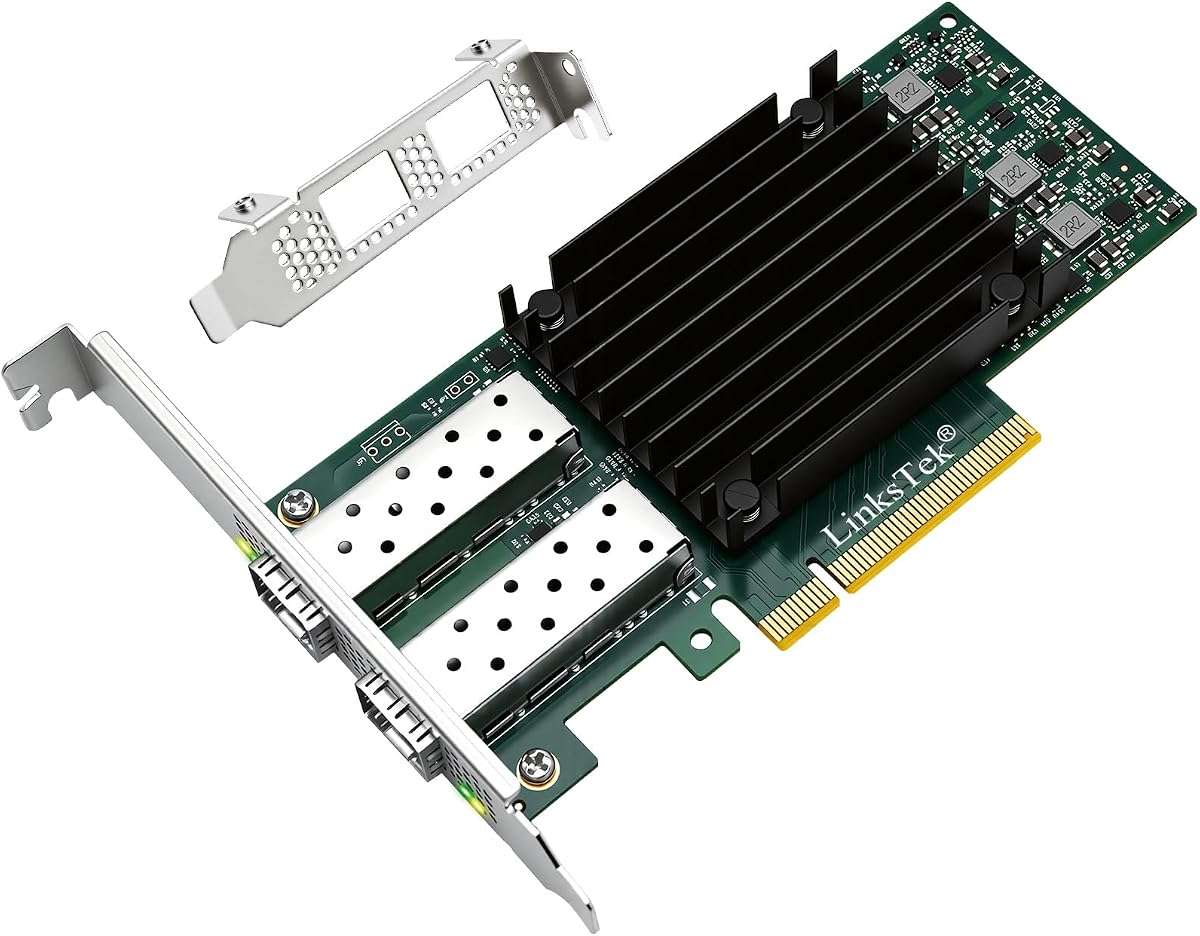


This 10Gtek adapter is a top choice for general server upgrades. It features the robust Intel E810 controller and receives perfect user ratings for reliability and ease of setup.
We may earn a commission when you buy through this link, at no additional cost to you.
The Intel E810 controller delivers efficient packet processing and virtualization offloads. It supports Windows, Linux, and VMware environments with strong driver stability and advanced RDMA capabilities.
You will need to buy SFP28 modules separately for optical links. Also, macOS compatibility is missing, making this better for enterprise or home lab servers than Mac workstations.
If you need reliable 25GbE performance on standard servers, this card is an excellent investment. Its feature set and compatibility make it the best all-around choice in our guide.
The E810 controller provides hardware offloads that reduce CPU usage during high throughput tasks.
Full support for SR-IOV ensures smooth integration with hypervisors like ESXi.
We may earn a commission when you buy through this link, at no additional cost to you.
This adapter is purpose-built for Synology NAS owners needing high-speed connectivity. It ensures seamless integration with DSM software for optimal storage network performance.
We may earn a commission when you buy through this link, at no additional cost to you.
Synology optimizes drivers specifically for their systems to guarantee stability. The included 5-year warranty adds significant value for business users relying on consistent NAS access.
Generic cards might offer similar speed at lower cost. The high price reflects brand exclusivity which limits value outside of specific Synology server environments.
Choose this card if you own a supported Synology model. The reliability assurance and warranty make it the safe premium choice for NAS expansion.
Drivers are built into DSM updates to avoid manual configuration steps.
The 5-year warranty covers defects and ensures long-term support.
We may earn a commission when you buy through this link, at no additional cost to you.
This budget card delivers enterprise-grade performance at a fraction of the cost. It uses the reliable Mellanox ConnectX-4 Lx controller trusted in data centers.
We may earn a commission when you buy through this link, at no additional cost to you.
Its controller supports advanced features like SR-IOV and DPDK. Linux distributions often recognize it automatically which simplifies installation for hobbyists and professionals alike.
The low price sometimes means minimal documentation included. Users should check community forums for the latest driver patches if using older Linux kernels.
If you need maximum value without sacrificing speed, this is the ideal pick. It proves 25GbE upgrades do not have to break your budget.
The ConnectX-4 Lx chip is widely supported and highly efficient.
You get professional speeds for the price of entry-level cards.
We may earn a commission when you buy through this link, at no additional cost to you.
This adapter is designed for storage virtualization workloads using Mellanox technology. Users praise its stability and high performance in data-intensive server environments.
We may earn a commission when you buy through this link, at no additional cost to you.
The ConnectX-4 Lx EN controller excels at RDMA operations. This reduces latency for storage clusters and ensures consistent file transfer speeds across the network.
Driver setup might require extra steps on Windows systems. Verify your network switches support RDMA protocols before purchase to avoid configuration issues.
If storage virtualization is your primary need, this card delivers superior speed. Its high rating reflects proven reliability in real-world storage servers.
RDMA allows memory-to-memory transfers without CPU involvement.
Jumbo frame support improves large file transfer efficiency.
We may earn a commission when you buy through this link, at no additional cost to you.
This card is a staple for virtualized servers needing robust offloads. It handles traffic steering and network service headers efficiently with Intel's proven technology.
We may earn a commission when you buy through this link, at no additional cost to you.
DPDK optimization ensures packet processing remains fast under load. It supports VXLAN tunneling well making it ideal for cloud or NFV deployment scenarios.
Newer E810 models offer slightly better power efficiency. This card remains solid for legacy systems but lacks some of the latest architectural improvements.
If you run heavy virtualization stacks, this adapter provides stability. Its perfect rating confirms it works reliably across diverse server configurations.
VXLAN and GENEVE offloads reduce CPU overhead significantly.
Optimized packet processing allows for maximum throughput.
We may earn a commission when you buy through this link, at no additional cost to you.
This adapter uses the OCP 3.0 standard for modern high-density servers. It brings the latest E810 technology to chassis that support mezzanine card slots.
We may earn a commission when you buy through this link, at no additional cost to you.
The E810 controller offers flexible port partitioning and strong QoS. PCIe 4.0 ensures ample bandwidth for future upgrades without worrying about interface limits.
It is not compatible with standard PCIe slots in desktop PCs. You must have a server chassis explicitly supporting the OCP 3.0 form factor to install it.
Choose this for scalable server environments needing future proofing. It balances advanced specs with a compact design for efficient data centers.
Open Compute Project standards ensure hardware interoperability and modularity.
Flexible Port Partitioning allows customizing bandwidth per port.
We may earn a commission when you buy through this link, at no additional cost to you.
This adapter is the ultimate choice for Mac users requiring 25GbE. It uses Thunderbolt 5 to deliver dual high-speed connections directly to laptops and desktops.
We may earn a commission when you buy through this link, at no additional cost to you.
Sonnet includes optical transceivers which saves extra costs. It works seamlessly with macOS for creative workflows needing massive shared storage access.
The premium price is justified by the convenience and build. However, you need a Thunderbolt 5 port to unlock its full dual-port performance potential.
If you use a Mac for heavy media production, this is the gold standard. It bridges the gap between workstation power and enterprise networking.
Thunderbolt 5 offers sufficient throughput for two 25GbE streams.
Optics included means immediate connectivity without extra purchase.
We may earn a commission when you buy through this link, at no additional cost to you.
This card is tailored for Mac desktops needing reliable fiber connectivity. It offers similar convenience to the Thunderbolt version but fits PCIe slots directly.
We may earn a commission when you buy through this link, at no additional cost to you.
Sonnet includes transceivers and supports macOS well. It is designed for workstations requiring stable shared storage access without Thunderbolt limitations.
It is pricey compared to standard enterprise cards. The premium reflects specialized Mac optimization and included accessories you might otherwise buy separately.
If your Mac has a PCIe expansion system choose this card. It provides a professional networking solution built for creative environments.
Sonnet designs specifically for Apple hardware compatibility standards.
Transceivers included mean you can deploy immediately.
We may earn a commission when you buy through this link, at no additional cost to you.
This card represents Mellanox high-end hardware for advanced networking tasks. It is built for demanding cloud and telco platforms needing deep offloads.
We may earn a commission when you buy through this link, at no additional cost to you.
ConnectX-5 handles complex traffic flows efficiently. It remains popular in professional environments where stability and performance outweigh cost considerations.
Newer chips offer better performance-per-watt ratios. This card is excellent but may be overkill for standard enterprise storage or file servers.
If you need top-tier RDMA and offload capabilities this is it. It is a powerful solution for specialized high-performance networking.
Application offloads support complex network protocols efficiently.
Designed for carrier-grade virtualization requirements.
We may earn a commission when you buy through this link, at no additional cost to you.
This card is designed to integrate seamlessly with QNAP NAS devices. It uses Intel E810 to offer reliable high-speed connections for home and office storage.
We may earn a commission when you buy through this link, at no additional cost to you.
FEC ensures data integrity over long copper or fiber runs. Port trunking allows combining links to get higher throughput for file sharing needs.
FEC might add minimal latency which is fine for storage. If you need maximum low-latency gaming it could be a consideration but otherwise it helps reliability.
For QNAP owners needing an upgrade this card is the top choice. It balances enterprise features with practical storage network requirements.
Forward Error Correction helps fix errors without retransmissions.
Combine two ports for 50Gbps aggregate bandwidth.
We may earn a commission when you buy through this link, at no additional cost to you.
Selecting the right 25GbE network card requires understanding your server hardware and networking goals. This guide breaks down the critical factors to ensure compatibility and performance.
The controller chip determines performance and features. Intel E810 offers the latest efficiency while Mellanox ConnectX-4 Lx provides strong RDMA capabilities for storage clusters.
Choose a chipset that matches your workload for optimal processing.
Ensure the card fits your server or PC. PCIe slots are common in desktops, while OCP mezzanine modules fit specific rack servers. Check slot size and height constraints.
Verify physical dimensions match your chassis requirements.
Most cards use SFP28 ports needing separate transceivers. Some bundles include optics while others do not. Confirm compatibility with your existing fiber or copper cables.
Check if optical modules are included to avoid extra costs.
Drivers vary by vendor. Intel and Mellanox support broad Linux and Windows. Mac users may need specific adapters like Sonnet models for seamless compatibility.
Confirm official driver support for your target OS.
Features like SR-IOV and DPDK are vital for virtual machines. They reduce CPU overhead when running multiple guests or network functions on a single server.
Look for SR-IOV support if using hypervisors.
RDMA allows direct memory access without CPU involvement. This is essential for high-performance storage and AI workloads needing low latency and high throughput.
Enable RDMA if your storage stack supports it.
Enterprise cards often come with better warranties. Check manufacturer support levels especially if you run critical infrastructure where downtime must be minimized.
Prioritize vendors with reliable technical support.
Prices range significantly based on brand and features. Generic Mellanox alternatives often save money while branded Intel or Synology cards add a premium for stability.
Balance performance needs against total cost.
Install the card securely in the PCIe slot and attach brackets firmly. Ensure good airflow around the adapter to prevent overheating during long data transfer sessions.
Install official drivers from the vendor before connecting cables. Update firmware to the latest version to fix bugs and improve compatibility with your network switches.
Monitor network temperatures and error logs regularly. Keep connectors clean to avoid signal loss and replace transceivers if you notice persistent link errors.
PCIe 4.0 provides more bandwidth per lane than 3.0. For 25GbE dual port cards both are usually sufficient but 4.0 ensures headroom for future upgrades to 50Gbps.
You need SFP28 compatible cables or optics. DAC cables are cheaper for short runs while fiber optics are better for longer distances. Verify your switch supports 25GbE speeds.
Yes most modern 25GbE cards auto-negotiate down to 10GbE. This ensures backward compatibility with older switches though you will not get full 25GbE speeds.
SR-IOV allows virtual machines to access the physical network card directly. This bypasses the hypervisor for better performance and lower latency in virtualized environments.
Sonnet models like Twin25G T5 or PCIe variants offer the best Mac compatibility. They include proper drivers and optimized hardware integration for macOS environments.
Most Intel and Mellanox based cards support Windows Server versions. Check specific driver lists before buying to ensure compatibility with your server operating system version.
We highlighted top options including the 10Gtek Intel card for performance and the Vogzone option for budget value. Each picks serves different needs from servers to workstations.
Prioritize controller chipset and OS support to ensure long term reliability. Virtualization and RDMA features matter if you run complex network or storage stacks.
Prices change often so verify current listings and stock. Choose the card that fits your specific server and switch setup for the best upgrade experience.