
SONOFF Zigbee Human Presence Sensor SNZB-06P
4.0Editor score
5.8GHz Radar
Zigbee 3.0
Light Sensing
Compare the top 10 Home Assistant Human Presence Sensors featuring mmWave radar, Zigbee, and Wi-Fi for accurate detection and smart home automation control.
Finding the right presence sensor for your smart home can be challenging when traditional motion detectors fail to notice you sitting still. Modern mmWave technology solves this by detecting subtle movements like breathing, ensuring lights stay on until you actually leave the room.
We evaluated ten leading models compatible with Home Assistant to help you choose the best fit. Our comparison covers Wi-Fi and Zigbee options, battery life, detection range, and ease of setup to ensure reliable automation across your entire house.
Each pick below highlights key features, pros, and cons to guide your decision. Remember that product availability and pricing change frequently, so check the latest details before purchasing to ensure you get the best deal available today.
4.0Editor score

4.4Editor score

3.6Editor score
This side-by-side comparison highlights the key specifications and features of each top-rated model to help you find the perfect sensor for your Home Assistant setup.




The Akamatis Litos v3 stands out as a top choice for Home Assistant users seeking reliable presence detection. With a 4.4 rating, it offers precise mmWave technology that detects even slight movements like breathing, ensuring your lights stay on while you read or work.
We may earn a commission when you buy through this link, at no additional cost to you.
Its integrated VEML7700 light sensor allows for intelligent automations that consider both occupancy and ambient light levels. The pre-flashed ESPHome firmware makes setup straightforward for Home Assistant integrators without needing manual configuration steps.
While it requires an existing Home Assistant setup and relies on Wi-Fi, these constraints ensure local control and privacy. The light-permeable front design adds a modern touch and ensures accurate light readings without physical obstructions.
If you prioritize automation accuracy and seamless Home Assistant integration, this sensor is an excellent investment. Its combination of radar and light sensing provides a comprehensive solution for smart lighting control in any room.
Unlike traditional PIR sensors, mmWave radar detects stationary humans, solving the common issue of lights turning off during sedentary activities.
Pre-flashed ESPHome firmware ensures immediate connectivity with Home Assistant, reducing setup time and technical barriers for users.
We may earn a commission when you buy through this link, at no additional cost to you.
The Akamatis v2.2 offers an affordable entry point into mmWave presence detection for Home Assistant users. Rating 4.4 stars, it uses advanced radar to detect stationary objects effectively, making it a practical upgrade from standard motion sensors.
We may earn a commission when you buy through this link, at no additional cost to you.
Equipped with an external antenna and Seeed C3 controller, it ensures stable connectivity even in areas with weaker Wi-Fi signals. The plug-and-play design means you simply connect via USB-C and configure Wi-Fi credentials through a hotspot.
While it lacks the integrated light sensor of the Litos v3, it remains a cost-effective solution for detecting presence without unnecessary complexity. FCC certification adds peace of mind regarding compliance and operational reliability.
For those on a budget who still demand high performance and Home Assistant compatibility, this model delivers excellent value. Its focus on core detection capabilities ensures it fits well into streamlined smart home automations.
Priced lower than many competitors, it maintains high detection accuracy using reliable HLK-LD2410B radar technology.
An external antenna boosts Wi-Fi range, ensuring the sensor remains responsive even in larger homes or areas with interference.
We may earn a commission when you buy through this link, at no additional cost to you.
The Aqara FP300 is a premium choice for those seeking a comprehensive smart home sensor. Although it has a 3.6 rating, its AI-powered presence detection and multi-sensor design offer significant advantages for advanced automations.
We may earn a commission when you buy through this link, at no additional cost to you.
It combines mmWave radar, PIR, light, temperature, and humidity sensors into one device, reducing clutter and enabling complex climate and lighting routines. Support for Matter over Thread ensures seamless integration across major ecosystems including Home Assistant.
The adaptive AI learning optimizes sensitivity to reduce false triggers, making it reliable for long-term use in busy environments. Wireless installation allows flexible placement on walls or ceilings without wiring constraints.
While more expensive, its feature set justifies the cost for users wanting an all-in-one solution. This sensor is ideal for those prioritizing ecosystem flexibility and rich environmental data in their smart home setup.
Combining five sensors into one unit simplifies automation workflows while providing detailed environmental insights for better control.
Matter over Thread support ensures compatibility with next-generation smart home standards, extending the device's useful life.
We may earn a commission when you buy through this link, at no additional cost to you.
This Zigbee presence sensor is designed for flexibility and broad compatibility with various smart home hubs. With a 4.0 rating, it uses mmWave radar to detect stationary individuals, solving the issue of lights turning off prematurely.
We may earn a commission when you buy through this link, at no additional cost to you.
It operates on two AAA batteries lasting up to two years, eliminating the need for constant power sources. Its compatibility with Echo devices, SmartThings, and Home Assistant makes it a versatile choice for multi-platform households.
The sensor ensures lights stay on while you read or sleep, addressing the common frustration with standard motion sensors. Setup requires a Zigbee hub but provides seamless local control once configured.
If you already have a Zigbee network, this sensor is a straightforward and effective upgrade. Its balance of performance, battery life, and compatibility makes it a strong contender for Home Assistant integration.
Works with major hubs like Echo, SmartThings, and Home Assistant, offering flexibility for diverse smart home ecosystems.
Two AAA batteries provide up to two years of usage, ensuring minimal maintenance and continuous reliable operation.
We may earn a commission when you buy through this link, at no additional cost to you.
The SONOFF SNZB-06P24 introduces advanced zone detection capabilities that allow precise control over where presence is monitored. Rating 3.8 stars, it uses mmWave radar and light sensing to automate lighting based on occupancy and ambient conditions.
We may earn a commission when you buy through this link, at no additional cost to you.
Its self-learning calibration filters out false triggers from appliances or airflow, ensuring stable performance over time. Configuring seven zones helps ignore areas like corridors and focus on key spaces like desks or sofas.
While it requires a Zigbee hub and USB power, these dependencies offer robust local control and consistent operation. Compatibility with Home Assistant and Alexa provides flexibility for mixed ecosystem setups.
This sensor is ideal for users who want granular control over presence detection without unnecessary complexity. Its features make it a powerful tool for creating detailed and responsive automation scenarios.
Up to seven configurable zones allow you to tailor detection areas, ensuring automations trigger only when needed.
Self-learning calibration reduces interference from environmental factors, providing reliable presence data for smarter automations.
We may earn a commission when you buy through this link, at no additional cost to you.
The SONOFF SNZB-06P is a budget-friendly option for users needing reliable presence detection through Zigbee. With a 4.0 rating, it uses cmWave radar to detect movement and stationary persons, keeping lights on until you leave.
We may earn a commission when you buy through this link, at no additional cost to you.
Light sensing ensures devices activate only when it is dark, enhancing energy efficiency. Its compatibility with Zigbee 3.0 hubs like SONOFF NSPanel Pro and Echo Plus provides flexible integration options for smart home fans.
Local smart scenes work without internet, ensuring reliability even during outages. While it lacks advanced features like self-learning, it delivers solid performance for basic automation needs.
For those seeking an affordable and straightforward solution for Home Assistant, this sensor is a practical choice. Its ease of use and broad compatibility make it a good starting point for mmWave presence detection.
Supports the latest Zigbee protocol, ensuring seamless integration with modern hubs and reliable communication within the network.
Built-in light sensing ensures automations only trigger when ambient light levels are low, improving energy efficiency.
We may earn a commission when you buy through this link, at no additional cost to you.
This compact 3-in-1 sensor combines presence, temperature, humidity, and light detection in a small device. Rating 3.9 stars, it uses mmWave radar to detect subtle movements and integrates environmental data for comprehensive automation.
We may earn a commission when you buy through this link, at no additional cost to you.
Its ultra-compact design and magnetic base allow flexible placement on refrigerators or metal surfaces without tools. Battery power using CR2450 ensures wireless convenience while maintaining reliable performance over months of use.
Designed specifically for Home Assistant via Zigbee, it offers low latency and seamless local control. While battery replacement is necessary, the convenience of wireless installation outweighs this minor trade-off.
If you want multiple data points in one discreet package, this sensor is an excellent choice. Its design and compatibility make it ideal for detailed smart home monitoring and control.
Magnetic base and 3M tape options ensure the sensor can be placed discreetly and securely on various surfaces around your home.
Integrated sensors for temperature and humidity provide additional context for automations beyond just presence detection.
We may earn a commission when you buy through this link, at no additional cost to you.
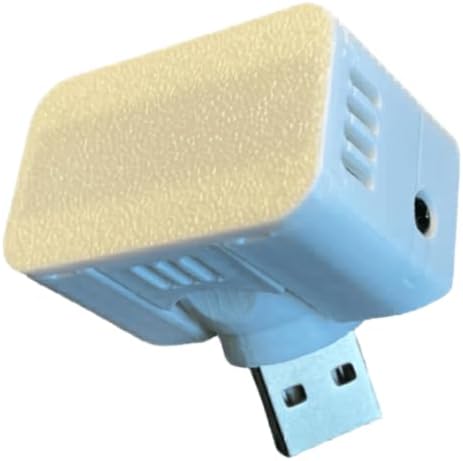
The Akamatis v1.3 delivers solid performance with a high 4.9 rating among users. It uses mmWave radar to detect both moving and stationary objects up to 20 feet, making it suitable for larger rooms and open spaces.
We may earn a commission when you buy through this link, at no additional cost to you.
Powered by USB-A, it provides consistent operation without battery concerns. The external antenna ensures stable Wi-Fi connectivity, reducing dropouts that could disrupt automations. Its pre-flashed ESPHome firmware simplifies integration with Home Assistant.
While it lacks light sensing, its reliable detection and straightforward setup make it a practical choice. FCC certification ensures compliance and reliable operation within your home network.
For users prioritizing Wi-Fi connectivity and ease of use, this model offers excellent value. Its high rating reflects user satisfaction with its performance and seamless Home Assistant integration.
Direct Wi-Fi connectivity without hubs simplifies setup, making it ideal for users with existing robust wireless networks.
A 4.9 rating indicates strong user approval for its reliability, ease of use, and overall performance in home automation.
We may earn a commission when you buy through this link, at no additional cost to you.
The WenzhiIoT Zigbee Sensor offers flexible configuration options for users seeking customizable presence detection. Rating 3.8 stars, it uses 5.8GHz radar to detect static and motion states, ensuring accurate presence recognition.
We may earn a commission when you buy through this link, at no additional cost to you.
Its adjustable sensitivity and delay settings help reduce false alarms, while illuminance monitoring supports smart scene linkage with other devices. Compatibility with Tuya Smart Life and Zigbee2mqtt provides versatility for advanced setups.
Powered by USB-C, it ensures continuous operation without battery replacements. The wall mount design allows discreet placement while maintaining effective detection range.
For those who value configuration flexibility and affordability, this sensor meets various needs. Its features make it a practical choice for tailored automations using Home Assistant.
Adjustable sensitivity and delay settings enable users to fine-tune detection behavior, minimizing unwanted triggers and enhancing reliability.
Support for Zigbee2mqtt allows advanced users to integrate data reporting intervals, optimizing network efficiency and real-time synchronization.
We may earn a commission when you buy through this link, at no additional cost to you.
The Meross MS600 combines radar, PIR, and light sensing to deliver robust presence detection across ecosystems. Rating 3.8 stars, it supports Matter over Wi-Fi, ensuring seamless integration with Home Assistant, Alexa, and Google Home.
We may earn a commission when you buy through this link, at no additional cost to you.
Its adjustable pivot and rotation allow precise alignment for optimal coverage, while the pet-proof shield prevents false triggers from animals. Continuous power ensures stable performance without battery concerns.
Local control via Matter enhances privacy and reduces latency, making it a reliable choice for automated lighting and security. While it requires a hub for Matter compatibility, basic functionality works without one.
For users wanting broad ecosystem support and reliable detection, this sensor is a strong candidate. Its combination of features ensures it fits well into diverse smart home configurations.
Support for Matter ensures future-proof compatibility and local control across different smart home platforms and ecosystems.
The pivotable base allows precise angle adjustments, maximizing detection coverage and minimizing blind spots in various room layouts.
We may earn a commission when you buy through this link, at no additional cost to you.
Selecting the right presence sensor involves considering connectivity, detection technology, and integration capabilities to ensure seamless automation.
mmWave radar is superior to traditional PIR because it detects stationary humans, ensuring lights stay on during reading or sleeping. Look for sensors specifying 24GHz or 60GHz radar to guarantee accurate presence detection in all scenarios.
Prioritize mmWave sensors over standard motion detectors to avoid false negatives when users are present but not moving.
Choose between Wi-Fi and Zigbee based on your existing smart home infrastructure. Wi-Fi sensors are easy to set up but may congest your network, whereas Zigbee devices communicate locally and reduce bandwidth load on your router.
Select connectivity that aligns with your current network setup to ensure stability and efficient communication with Home Assistant.
Battery-powered sensors offer flexible placement but require periodic replacements. Wired options ensure uninterrupted operation but limit placement to areas with access to USB or mains power.
Consider installation locations carefully to decide between convenience of batteries and reliability of wired power.
Verify compatibility with Home Assistant directly or via required hubs. Some sensors need specific Zigbee bridges or Thread border routers, which can affect cost and setup complexity.
Ensure the sensor supports your preferred integration protocol to avoid additional hardware purchases and compatibility issues.
Sensors with integrated light, temperature, or humidity data enable more complex automations. Multi-sensor devices reduce clutter by combining functions in one compact unit.
Look for multi-sensor options if you want environmental context alongside presence detection for comprehensive smart home control.
Detection range typically varies from 4 to 20 feet depending on the model. Ensure the sensor's field of view and range match your room size to prevent missed detection or false triggers.
Check specification details for range and angle to ensure the sensor covers the intended area effectively.
Pre-flashed firmware and plug-and-play designs reduce configuration effort. Sensors supporting ESPHome or built-in wizards streamline integration with Home Assistant.
Choose models with clear setup instructions and minimal configuration steps to save time and reduce frustration during installation.
Local control options improve privacy and reduce latency by keeping data within your home network. Sensors supporting Matter or Zigbee typically offer better privacy than cloud-dependent Wi-Fi models.
Prioritize devices that emphasize local processing and control to maintain data privacy and responsive automation.
Install the sensor in a location with a clear view of the area you want to monitor. Avoid placing it near heat sources, windows with direct sunlight, or areas with frequent airflow to prevent false triggers.
Connect the sensor to your Home Assistant by following manufacturer instructions. For Wi-Fi devices, enter your credentials via the hotspot; for Zigbee, pair through your hub and configure automations accordingly.
Regularly update the firmware to ensure optimal performance and security. Clean the sensor housing gently to maintain accurate readings, and replace batteries as needed to avoid interruptions in coverage.
mmWave sensors detect human presence through radar waves and can identify stationary people, whereas PIR sensors only detect heat changes from movement. This makes mmWave ideal for keeping lights on during sedentary activities without needing to wave hands.
It depends on the sensor type. Wi-Fi models connect directly, while Zigbee sensors require a compatible hub or Zigbee2mqtt. Ensure your setup supports the protocol the sensor uses for seamless integration.
Most models offer detection ranges between 4 to 20 feet. Always check the specifications to confirm coverage suits your room size and placement needs before purchasing.
Some models include pet-proof features or adjustable sensitivity to minimize pet-triggered events. However, standard mmWave sensors may detect small animals, so consider this when placing sensors in pet areas.
Adjust sensitivity settings and avoid placing the sensor near reflective surfaces or moving objects. Using features like light sensing or self-learning calibration can also help filter out unnecessary triggers.
Sensors come in battery-powered or USB-corded options. Wired models offer uninterrupted power while battery models allow flexible placement without cables but require periodic battery changes.
Some newer models support Matter over Thread or Wi-Fi. Verify the product details to confirm Matter compatibility if you plan to use multiple ecosystems like Home Assistant and HomeKit together.
While designed primarily for automation, presence sensors can be integrated into security workflows. They can trigger alarms or notifications when presence changes occur, but specialized security devices may offer more features.
The Akamatis Litos v3 stands out for its combination of mmWave detection and integrated light sensing, making it ideal for Home Assistant users prioritizing precise automation.
When choosing, focus on connectivity and power needs to match your home setup. Ensure the sensor supports local control to maximize privacy and automation responsiveness.
Prices and availability change frequently, so verify current listings before purchasing. Select a sensor that balances cost, features, and integration ease for lasting smart home satisfaction.