
Polar H10 Heart Rate Monitor Chest Strap – ANT + Bluetooth, Waterproof HR Sensor for Men and Women
4.1Editor score
Supreme accuracy metrics
Internal memory storage
Multi connection options
This expert guide compares the top heart rate monitors for Peloton, evaluating accuracy, comfort, and connectivity to help you optimize your indoor cycling and
Finding the right heart rate monitor for Peloton can significantly enhance your workout experience. Whether you are cycling, running, or doing strength training, accurate heart data helps you stay in the right zone for your goals.
We compared ten top models based on connectivity, comfort, battery life, and accuracy. Our analysis covers chest straps and armbands that sync seamlessly with the Peloton app and other fitness platforms.
Each pick highlights key strengths and potential trade-offs to help you decide. Please note that product availability and specific features may change over time, so verify details before purchasing.
4.1Editor score

4.0Editor score

4.2Editor score
The following comparison table provides a side-by-side overview of all ten selected models, highlighting their core specifications and compatibility features to assist you in making an informed decision.


The POWR LABS chest strap stands out for its combination of durability and cost-effectiveness. With a 400-hour battery life and IPX67 sweatproof rating, it is built to handle intense Peloton sessions without missing a beat.
We may earn a commission when you buy through this link, at no additional cost to you.
Its dual ANT+ and Bluetooth connectivity ensure it pairs smoothly with the Peloton bike and other apps like Zwift. The soft fabric strap minimizes chafing during long rides, making it comfortable for daily use.
While it relies on a replaceable battery, this is often preferred by users who do not want to deal with rechargeable cables. The fit is adjustable but may require some tightening to prevent sliding during sprints.
This model is ideal for athletes seeking a reliable budget option that does not compromise on accuracy or connectivity. It delivers consistent heart rate data without the premium price tag of competitor models.
With over 400 hours of usage on a single battery, you can train daily for months before needing a replacement, ensuring minimal downtime between workouts.
The dual wireless protocols allow simultaneous connections, meaning you can stream data to your bike and record on your phone at the same time.
We may earn a commission when you buy through this link, at no additional cost to you.
The Polar H10 is widely recognized as the gold standard for heart rate monitoring accuracy. It uses advanced algorithms to ensure precise data even during rapid interval changes typical of high-intensity Peloton workouts.
We may earn a commission when you buy through this link, at no additional cost to you.
One of its unique features is internal memory, which allows you to record workouts without a phone or watch nearby. This makes it perfect for gym sessions where carrying a smartphone might be inconvenient.
While it is more expensive than other options, the build quality and reliability justify the investment. The strap is soft and durable, though some users find the buckle slightly stiff at first use.
If you demand the highest level of precision for performance tracking, this model is the top choice. It offers a complete package of features that professionals and serious enthusiasts will appreciate.
Stores workout data internally so you can track sessions without needing a connected device, syncing later when you return to your phone or computer.
Supports Bluetooth, ANT plus, and 5 kHz frequencies, ensuring it works with virtually any fitness equipment or app in your training ecosystem.
We may earn a commission when you buy through this link, at no additional cost to you.
The COOSPO H6 delivers exceptional value for those seeking a reliable chest strap without breaking the bank. It connects directly to Peloton bikes and supports standard protocols for broad app compatibility.
We may earn a commission when you buy through this link, at no additional cost to you.
Its IP67 water resistance ensures it can handle sweat and rain, making it suitable for both indoor and outdoor training. The battery lasts for 300 hours, which is sufficient for months of regular training.
Some users need to moisten the electrodes to ensure a stable connection, which is a minor inconvenience but common in this price category. It is a practical choice for casual cyclists and runners.
For anyone starting their fitness journey or wanting a backup monitor, this model provides solid performance at an accessible cost. It balances functionality and affordability better than most competitors.
Works seamlessly with Peloton equipment and bike computers, allowing real-time heart rate display during classes without additional dongles or hubs.
The IP67 rating protects against water ingress during intense sessions, ensuring consistent performance even in humid or rainy conditions.
We may earn a commission when you buy through this link, at no additional cost to you.
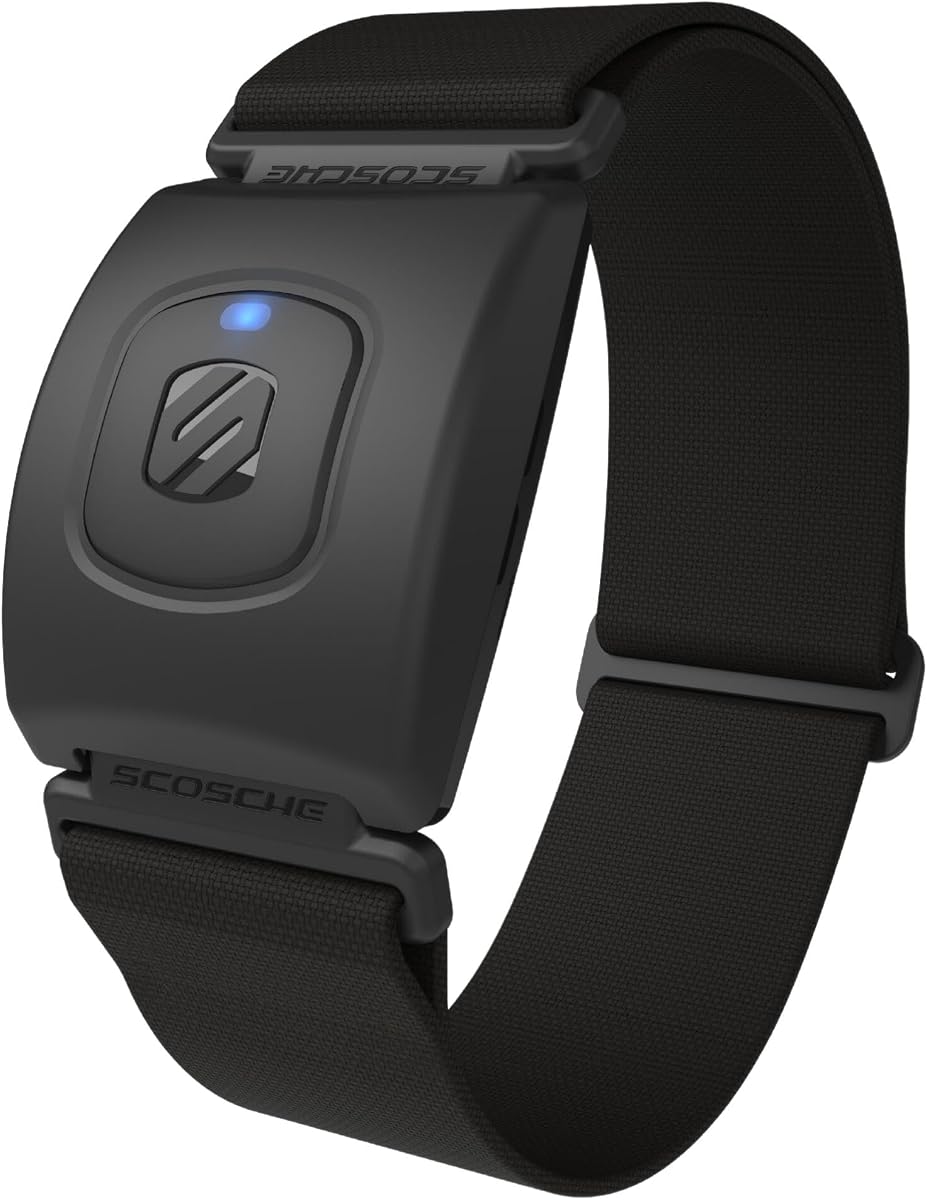
The Scosche Rhythm is a leading armband option for those who dislike chest straps. Its optical sensor provides comfortable, continuous tracking for Peloton rides and other activities without skin irritation.
We may earn a commission when you buy through this link, at no additional cost to you.
With an IP68 rating, it is fully waterproof and can withstand immersion. This makes it a robust choice for swimmers or those who sweat heavily during training sessions.
Users should be aware that optical sensors can occasionally lag during rapid interval changes, but this model mitigates it with good signal processing. Battery life is reasonable for daily use.
If comfort is your primary concern, this armband is an excellent alternative to chest straps. It offers a good balance of features for runners and cyclists looking for a non-invasive tracking method.
Captures precise RR interval data to track heart rate variability, helping you understand your recovery needs and training readiness over time.
The IP68 construction allows for total submersion, making it suitable for swimming or extremely sweaty workouts without fear of water damage.
We may earn a commission when you buy through this link, at no additional cost to you.
The Garmin HRM 600 offers detailed running dynamics that can improve form and efficiency. While primarily for running, its heart rate accuracy is equally valuable for Peloton indoor workouts.
We may earn a commission when you buy through this link, at no additional cost to you.
The strap is machine washable and durable, ensuring hygiene during regular training. It comes with a rechargeable battery, providing a sustainable power source for the device.
It integrates perfectly with Garmin devices but also connects to other apps for broader use. The advanced features justify the cost for runners, but casual users might find them unnecessary.
This monitor is a great choice for multisport athletes who want one device for both cycling and running. It delivers high-quality data and robust build quality for long-term use.
Tracks stride length, vertical oscillation, and ground contact time to help you optimize your running form and reduce injury risk over time.
The machine-washable strap can be cleaned easily, ensuring comfort and hygiene during intense training sessions in various weather conditions.
We may earn a commission when you buy through this link, at no additional cost to you.
This COOSPO armband offers an affordable optical solution for Peloton riders who prefer not to wear a chest strap. It pairs easily with the bike and various fitness apps for real-time tracking.
We may earn a commission when you buy through this link, at no additional cost to you.
The rechargeable battery ensures you do not need to replace cells regularly, though you must remember to charge it periodically. The strap is breathable and comfortable for longer workouts.
While optical technology may have slight lag compared to chest straps, it is sufficient for general fitness tracking. It is a convenient option for those who prioritize comfort over absolute precision.
Ideal for casual users, this armband provides reliable heart rate data without complicating your setup. It is a strong contender in the budget-friendly optical armband category for indoor cycling.
Compatible with popular platforms like Strava and DDP Yoga, allowing you to integrate data into your existing fitness tracking routine easily.
The lightweight fabric strap is adjustable and breathable, reducing skin irritation during long sessions compared to rigid alternatives.
We may earn a commission when you buy through this link, at no additional cost to you.
The HW9 stands out with its LED indicator that shows your heart rate zone via color. This visual feedback helps you adjust intensity quickly without looking at your phone or bike screen.
We may earn a commission when you buy through this link, at no additional cost to you.
It uses Bluetooth 5.0 and ANT+ for stable connections, ensuring data streams reliably to the Peloton app or other platforms. The 35-hour battery life is ample for weekly training.
The armband is soft and adjustable, providing a secure fit that does not slip during vigorous movement. It is particularly useful for interval training where zone monitoring is critical.
If you like visual cues to guide your workout, this model offers a practical advantage. It balances functionality and comfort well for those seeking an optical tracker with extra features.
Five different colors represent distinct heart rate zones, allowing you to maintain target intensity with quick glances during a session.
Bluetooth 5.0 technology ensures faster pairing and more stable data transmission, reducing dropouts during complex training routines.
We may earn a commission when you buy through this link, at no additional cost to you.
The HW807 combines optical heart rate tracking with HRV and zone indicators for a comprehensive workout experience. It connects quickly to Peloton and other fitness apps for accurate data logging.
We may earn a commission when you buy through this link, at no additional cost to you.
Its IP67 waterproof rating makes it suitable for sweaty indoor workouts or light rain outdoors. The design is ergonomic and stays in place without needing constant adjustment.
Battery life is slightly shorter than some competitors, but the convenience of visual feedback often outweighs this. It is a solid choice for those interested in detailed recovery metrics.
This model is ideal for cyclists who want to monitor intensity without constantly checking a screen. It provides a user-friendly interface for optimizing your training zones and recovery.
Tracks heart rate variability to provide insights into stress and recovery, helping you avoid overtraining and maintain peak performance levels.
IP67 protection guards against water and sweat, ensuring consistent performance even during the most demanding workout conditions.
We may earn a commission when you buy through this link, at no additional cost to you.
The Garmin HRM 200 is a straightforward chest strap designed for reliability. It transmits accurate data to Peloton and other platforms, ensuring consistent tracking during every ride.
We may earn a commission when you buy through this link, at no additional cost to you.
Its machine-washable strap makes it easy to maintain hygiene, and the 3 ATM rating ensures durability against sweat and moisture. Battery life lasts up to a year with typical use.
While it lacks advanced metrics like running dynamics, it fulfills the core function of heart rate monitoring perfectly. The setup is simple and does not require extensive configuration.
This model is great for users who want a dependable sensor without extra complexity. It offers a professional grade of performance in a compact and user-friendly package.
With up to one year of battery life, you can train consistently without interruptions for recharging or battery changes.
The strap is machine washable, allowing you to keep your gear fresh and hygienic after every intense workout session.
We may earn a commission when you buy through this link, at no additional cost to you.
This armband features auto-wear detection, so it activates automatically when you put it on. It connects to multiple devices simultaneously, offering flexibility for tracking data across platforms.
We may earn a commission when you buy through this link, at no additional cost to you.
The medical-grade silicone strap is soft and comfortable, reducing skin irritation even during extended use. It is designed for both indoor cycling and outdoor running with ease.
While optical technology may vary in precision compared to chest straps, the convenience of auto-sensing is a significant benefit. It ensures you do not miss data from warm-ups.
Ideal for users who prioritize ease of use, this model simplifies the tracking process. It is a versatile choice for those looking for a hands-free, smart approach to heart rate monitoring.
Intelligent sensors detect skin contact to power on automatically, eliminating the need for manual buttons and saving time before your workout begins.
Connects to up to three devices simultaneously, allowing you to stream data to your bike and phone without switching connections manually.
We may earn a commission when you buy through this link, at no additional cost to you.
Selecting the right heart rate monitor involves considering several factors to ensure it matches your training style and device ecosystem. This guide breaks down the most important aspects to help you make the right choice.
Connectivity is crucial for ensuring your monitor works with your Peloton bike and other devices. Most modern straps support Bluetooth and ANT+, allowing simultaneous connections to multiple apps or computers. Verify that your chosen model supports the specific protocol required by your fitness ecosystem to avoid pairing issues.
Always check the supported protocols before purchasing to guarantee seamless integration with your Peloton app or other training software.
Accuracy determines how effectively you can track training zones and effort. Chest straps generally offer higher accuracy and faster response times than optical armbands, making them ideal for interval training. Optical sensors are improving but may lag during rapid heart rate changes, so consider your training intensity when choosing.
If you need precise data for high-intensity intervals, a chest strap is typically the more reliable option over an optical armband.
Comfort is key for long rides and daily use. Look for straps made from soft, breathable fabrics that do not chafe or slip. Adjustable bands and ergonomic designs help ensure a secure fit that stays in place during vigorous movement. Armbands often provide a less restrictive alternative for those uncomfortable with chest straps.
Choose a design that fits your body comfortably and maintains contact without irritation during your most demanding workouts.
Battery life impacts how often you need to charge or replace the sensor. Many chest straps use coin-cell batteries that last hundreds of hours, while armbands often require rechargeable batteries. Consider your routine and whether you prefer the convenience of recharging or the simplicity of replacing a small battery.
Evaluate the power source to match your usage habits, ensuring you do not face interruptions during training due to dead batteries.
Water resistance is essential for handling sweat and varying weather conditions. Look for models with an IP rating, such as IP67 or IPX6, to ensure they can withstand moisture and humidity. This feature is especially important for indoor cyclists who sweat heavily or outdoor athletes training in rainy climates.
Select a monitor with adequate water resistance to protect the electronics and maintain performance in wet or humid environments.
Some monitors offer extra features like heart rate variability (HRV) tracking, internal memory, or visual zone indicators. These can provide deeper insights into recovery and training intensity. While not essential for everyone, these features can be valuable for advanced athletes looking to optimize their performance.
Decide if you need advanced features like HRV tracking or memory storage, or if basic heart rate monitoring is sufficient for your needs.
Ensure the monitor is compatible with the apps and platforms you use regularly. While most support standard protocols, some devices may have specific requirements. Check if the manufacturer provides dedicated apps or if the device works with third-party tools like Strava or Garmin Connect.
Confirm compatibility with your preferred apps to ensure you can view and analyze your heart rate data effectively after workouts.
Price varies significantly between models, from budget-friendly options to premium monitors. Consider what features matter most to you and whether higher-priced models offer tangible benefits for your training. A higher cost does not always guarantee better value if the extra features are not useful for your goals.
Balance your budget with your specific needs to find a monitor that offers the best value for your fitness routine.
To start using your heart rate monitor, ensure the sensor is clean and the battery is installed or charged. Pair it with your Peloton app or bike by enabling Bluetooth on the bike and selecting the monitor from the settings menu.
During workouts, position the sensor correctly on your chest or arm as directed. For chest straps, moisten the electrodes lightly to improve signal quality. Check that the data appears on your display before beginning your session.
After each use, rinse the strap with fresh water and let it air dry. Store it in a cool, dry place to extend its lifespan. If your monitor uses a coin battery, replace it when the signal becomes inconsistent or the battery low.
Most heart rate monitors that support Bluetooth Smart or ANT+ protocols will work with the Peloton app and bike. Check the product details to confirm compatibility. If your monitor uses a proprietary protocol, it may not sync properly with Peloton without additional hardware.
Chest straps generally provide higher accuracy and faster response times because they measure electrical signals directly from the heart. Armbands use optical sensors which can be slightly less precise during rapid intervals. For serious training, a chest strap is usually recommended for consistent data.
Rinse the strap with fresh water and mild soap after sweaty sessions, then air dry. Do not use bleach or fabric softeners as they can damage the electrodes. Store the sensor separately from the strap to prevent corrosion.
Some monitors are waterproof and can be used for swimming, but not all are designed for this. Check the IP rating of the device to see if it supports submersion. Standard chest straps may not work well for swimming unless explicitly rated for water use.
Most chest straps use replaceable coin-cell batteries that last between 300 to 400 hours of use. Rechargeable models can last a month or more depending on usage. Monitor battery levels in your app to ensure you have power before workouts.
Connection issues often arise from battery issues or pairing conflicts. Ensure the battery is fresh or charged and that the monitor is in pairing mode. Try turning off other Bluetooth devices that may interfere with the connection.
HRV tracking measures the variation in time between heartbeats to indicate recovery and stress levels. It helps you understand if your body is ready for intense training. Many modern monitors include this feature for deeper insights into fitness health.
We reviewed ten top-rated heart rate monitors for Peloton that offer a range of features from simple tracking to advanced metrics. Whether you prefer the accuracy of a chest strap or the comfort of an armband, there is a model that fits your needs.
Prioritize accuracy and connectivity for the best training experience. Comfort and battery life are also critical factors for regular use. Choose a monitor that aligns with your goals and budget to enhance your fitness journey.
Always verify current pricing and availability before buying since these can change frequently. Ensure compatibility with your specific Peloton model or app version to avoid technical issues during your workouts.