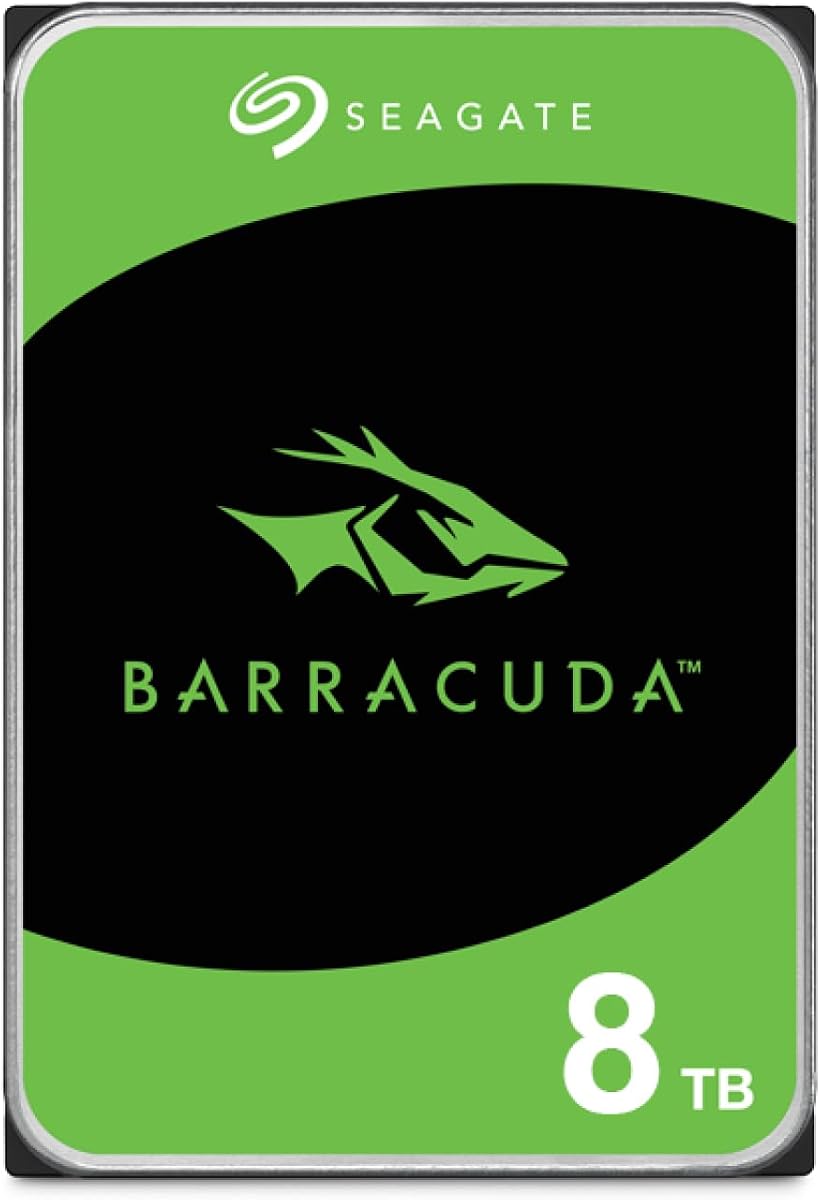
Seagate 8TB BarraCuda Internal Hard Drive
4.7Editor score
High capacity storage option
Fast sustained transfer rates
Reliable for general use
Choosing the right storage is critical for a smooth Jellyfin experience. You need a drive that handles continuous read writes without stuttering during playback. A solid hard drive ensures your media library runs reliably day and night.
We evaluated ten top rated internal and external drives suitable for home servers. Our analysis focuses on endurance features and compatibility with common NAS setups. Each pick addresses different needs from budget builds to premium media centers.
Each section highlights key strengths and potential trade-offs for every model. We include real specs and user feedback to guide your decision. Remember that availability and stock levels can change quickly online.
4.7Editor score

4.5Editor score

4.6Editor score
As an Amazon Associate we earn from qualifying purchases.
The following table provides a side-by-side comparison of all ten selected drives. It highlights key specifications and intended use cases to help you quickly identify the best fit for your Jellyfin server setup.




This drive stands out for its reliability in a server environment. It features a 4.5 star rating and is built specifically for multi-bay setups. The CMR technology ensures data integrity during high write loads typical of media libraries.
We may earn a commission when you buy through this link, at no additional cost to you.
IronWolf delivers consistent performance without the wear associated with standard desktop drives. It supports up to 8-bay systems and includes health monitoring tools. This makes it ideal for Jellyfin users who want peace of mind regarding data safety.
While it costs more than consumer drives the added features justify the expense. The included Rescue Data Recovery Services offer an extra layer of security. Users may find the 5400 RPM speed slower than desktop alternatives but it is sufficient for streaming.
Anyone building a dedicated NAS for Jellyfin should consider this model. It balances capacity and endurance well for home servers. The three-year warranty and recovery plan make it a safe long-term investment for your media collection.
The drive uses firmware tuned for 24×7 operation which reduces vibration and noise in multi-drive systems.
Included rescue services provide a safety net if accidental deletion or drive failure occurs.
We may earn a commission when you buy through this link, at no additional cost to you.
This drive offers massive storage for a competitive price point. With a 4.7 star rating it is popular for general PC use and media storage. The 190MB/s sustained transfer rate handles video streams effectively for most home setups.
We may earn a commission when you buy through this link, at no additional cost to you.
BarraCuda drives are known for their versatility and ease of integration. They support a variety of form factors and capacities making them adaptable for different server builds. The packaging is eco-friendly which reduces waste during installation.
The main trade-off is that it is not specifically optimized for NAS environments. Continuous operation might generate more heat compared to enterprise grade drives. However for single-bay systems or light loads it performs admirably.
Budget conscious users looking to store large libraries will appreciate this option. It provides ample space for thousands of hours of video content. Just ensure your server enclosure has adequate cooling to maintain longevity.
At 8TB you can store a vast media library without worrying about running out of space quickly.
The sustained transfer rate ensures smooth playback of high-definition content without buffering issues.
We may earn a commission when you buy through this link, at no additional cost to you.
This drive is a powerhouse for users needing extreme storage capacity. Its 4.6 rating reflects solid performance for everyday computing tasks. The 12TB capacity allows for a growing library of 4K or 8K media files.
We may earn a commission when you buy through this link, at no additional cost to you.
With 7200 RPM and a 512MB cache this drive excels at random access tasks. This speed helps when navigating large file lists or scrubbing through timelines in media players. The included cloning software simplifies upgrades from older drives.
The energy consumption is higher due to the faster spindle speed and larger platters. You should consider cooling requirements in your chassis to prevent overheating. Despite this it remains a top choice for performance oriented home servers.
Premium users who prioritize speed and capacity will find this drive ideal. It balances WD quality with modern storage needs. Ensure your power supply can handle the load before installation to avoid stability issues.
The 7200 RPM spin rate provides faster data access which is beneficial for complex metadata indexing.
Free cloning software helps transfer your existing OS and data to the new drive without hassle.
We may earn a commission when you buy through this link, at no additional cost to you.
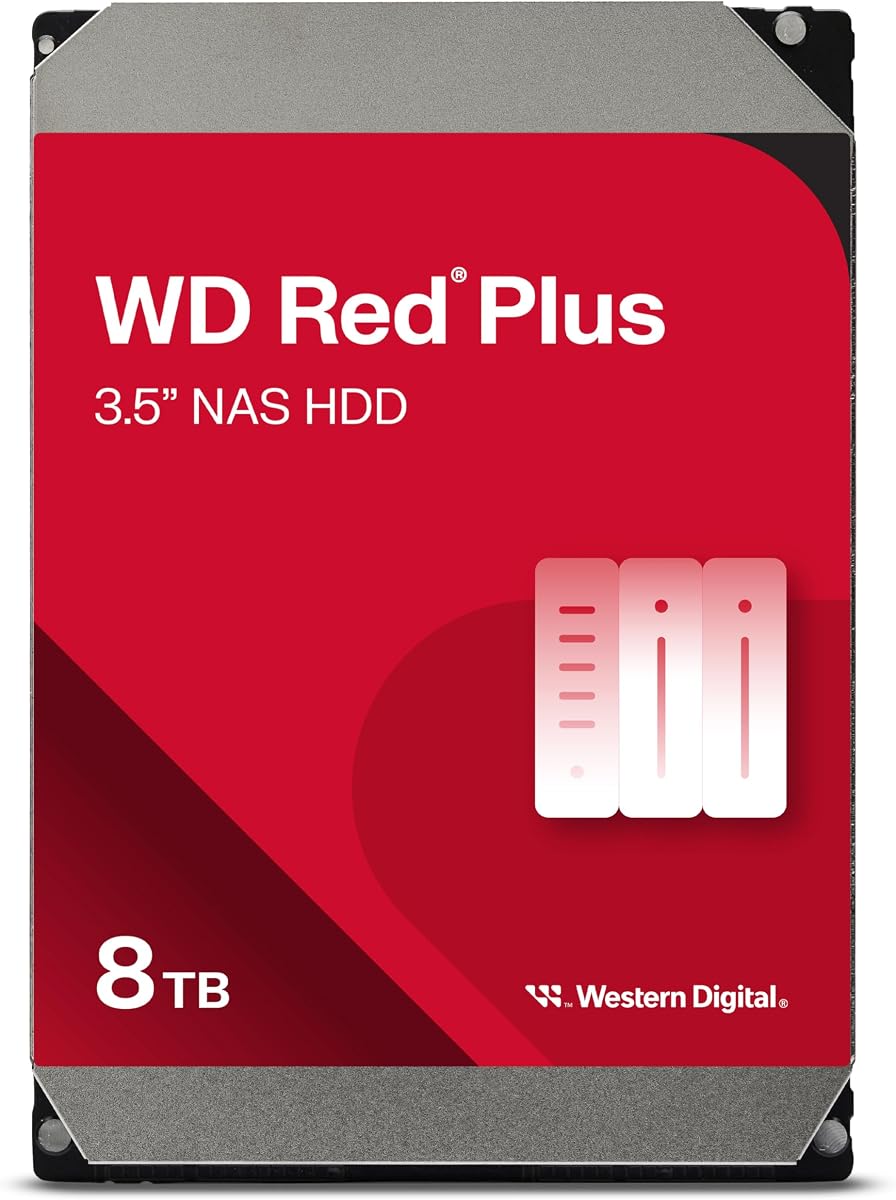
This drive is engineered for 24×7 NAS environments with heavy usage. It supports a workload rate of up to 180 TB per year which suits active media servers. The CMR technology ensures compatibility with RAID configurations for better data safety.
We may earn a commission when you buy through this link, at no additional cost to you.
WD Red Plus models are known for their robustness in multi-drive systems. The NASware 3.0 firmware optimizes performance for various operating systems used in home servers. It is a solid choice for small businesses or serious home enthusiasts.
The 5640 RPM speed is lower than desktop drives to reduce heat and noise. This trade-off is acceptable for continuous operation where stability is key. However random access times might be slower compared to faster spinning drives.
Users running a dedicated server with multiple drives will benefit from this model. It offers reliable performance under constant load. The three-year warranty provides assurance for long-term deployment in critical storage roles.
Designed to handle high annual data transfer rates without degrading performance over time.
CMR technology ensures reliable performance in RAID setups compared to slower shingled drives.
We may earn a commission when you buy through this link, at no additional cost to you.
This external drive offers a convenient solution for expanding storage quickly. It features a 4.6 rating and connects via USB-C for fast data transfers. The bus powered design means you do not need an extra outlet for power.
We may earn a commission when you buy through this link, at no additional cost to you.
It works seamlessly with both Windows and macOS which is useful for mixed environments. The included Rescue Data Recovery Services provide peace of mind against accidental data loss. The setup is truly plug and play with minimal configuration.
USB connectivity limits the sustained speed compared to internal SATA drives. For high bitrate video streaming this is usually acceptable but not ideal for heavy simultaneous access. The lack of power brick simplifies cable management on your desk.
This option is perfect for users needing a quick expansion without opening a case. It is reliable for backups or secondary media libraries. Ensure your system has a USB-C port capable of sustaining high bandwidth speeds.
USB-C support allows for versatile connection options on modern laptops and desktops alike.
Rescue services are included to help recover files in case of accidental corruption or loss.
We may earn a commission when you buy through this link, at no additional cost to you.
This drive provides a balanced mix of capacity and reliability for NAS use. It is rated 4.4 stars and designed for networked storage environments. The 256MB cache helps manage data requests efficiently during streaming.
We may earn a commission when you buy through this link, at no additional cost to you.
IronWolf drives are built for multi-bay NAS systems with robust vibration control. This ensures consistent performance even when multiple drives are running together. The 6TB capacity is a common sweet spot for many home media libraries.
The 5400 RPM speed prioritizes energy efficiency over raw throughput. This is suitable for continuous streaming but may lag in random access scenarios. It is a dependable choice for those valuing stability over peak performance.
Users building a RAID array or dedicated media server will find this drive useful. It fits standard 3.5 inch bays and works well with most controllers. The balance of size and endurance makes it a practical middle ground option.
Built-in vibration sensors help maintain performance when multiple drives operate in close proximity.
A 256MB cache allows for better buffering of frequently accessed data to reduce latency.
We may earn a commission when you buy through this link, at no additional cost to you.
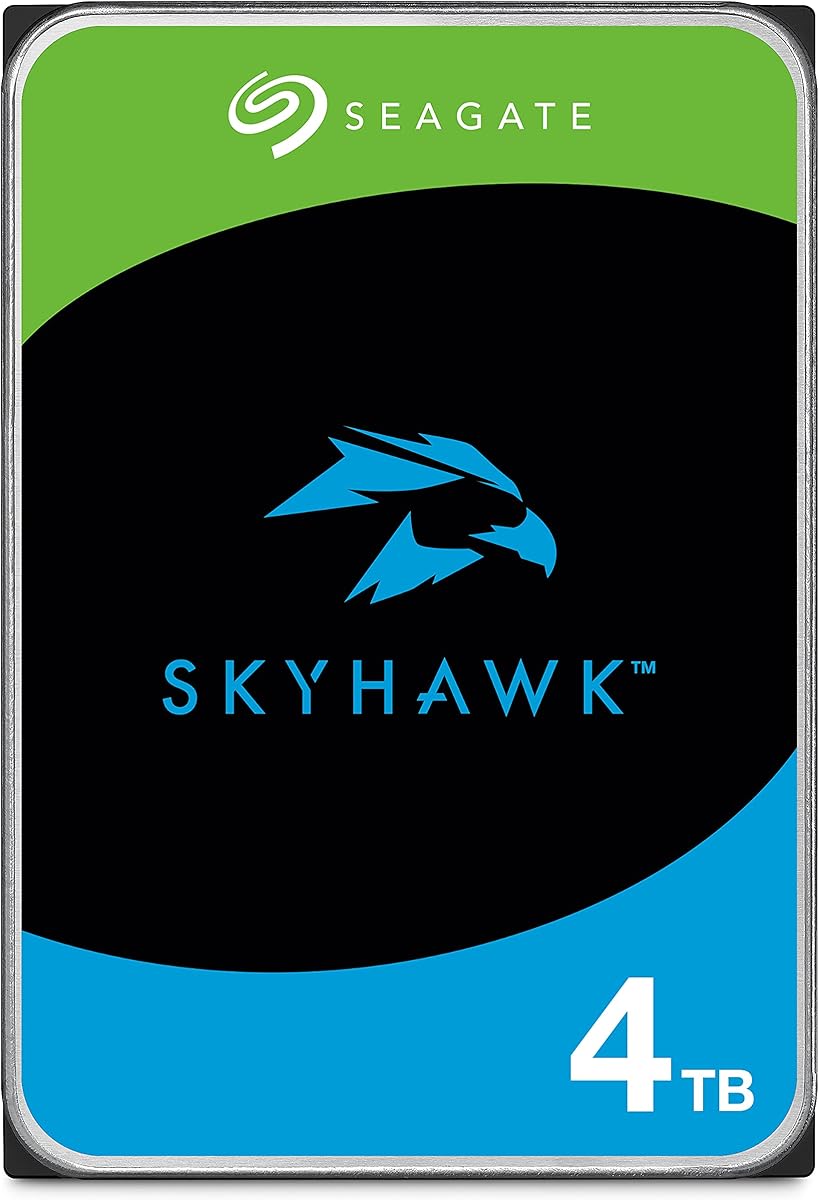
This drive is engineered for continuous video workloads like surveillance or media servers. It supports workloads of up to 180TB/year ensuring stability during constant write streams. The included health management tools allow for proactive drive monitoring.
We may earn a commission when you buy through this link, at no additional cost to you.
Skyhawk drives maintain performance in multi-bay systems thanks to rotational vibration sensors. This is critical when multiple drives spin simultaneously in a server case. The in-house Rescue Data Recovery Services add value for data critical applications.
The 4TB capacity is modest for large media libraries but sufficient for specific setups. It is optimized for streaming rather than random read/write operations which suits media playback well. The heat emission is managed to improve longevity over time.
Users needing a drive optimized for high stream counts will appreciate this model. It handles simultaneous playback requests without dropping frames. While surveillance focused it works well for any heavy video streaming environment.
Optimized for high write and read counts to ensure smooth video playback without interruptions.
Built-in tools help you track drive health and identify potential issues before they cause failure.
We may earn a commission when you buy through this link, at no additional cost to you.
This drive is tuned for high stream count and low bit rate workloads. It supports over 180TB/yr workload rate which is excellent for intensive usage scenarios. The AllFrame AI technology enhances performance for systems with many simultaneous streams.
We may earn a commission when you buy through this link, at no additional cost to you.
Purple drives are designed to reduce dropped frames during continuous recording or playback. This makes them a strong candidate for Jellyfin setups requiring multiple user access at once. The 128MB cache supports data buffering efficiently.
The focus on surveillance may mean it prioritizes write endurance over random read speed. For playback focused tasks this is generally sufficient. The 6TB capacity fits well into smaller NAS cases needing reliable storage.
Users requiring robust performance under constant load should consider this model. It handles the strain of multiple clients better than consumer drives. The specialized firmware ensures stability even when the system is under heavy stress.
Advanced technology reduces frame loss during heavy write operations for smoother continuous streaming.
Designed to handle high annual data transfer rates suitable for multi-user media environments.
We may earn a commission when you buy through this link, at no additional cost to you.
This drive features Image Perfect firmware for crisp video streams without errors. It supports maximum workloads of 180TB/year ensuring consistent performance under pressure. Rotational vibration sensors help maintain speed in multi-bay environments.
We may earn a commission when you buy through this link, at no additional cost to you.
Skyhawk drives are built for 24×7 operation which aligns well with server needs. The frustration-free packaging simplifies the unboxing process by reducing waste. It is rated 4.6 stars for reliability among users seeking stable storage.
The 4TB capacity limits large libraries but works well for focused collections. It excels in write intensive tasks typical of video streaming services. The sensors prevent slowdowns when the drive sits alongside others in a dense case.
Users prioritizing stable performance in multi-bay systems will find this drive effective. It handles the vibration and heat common in server cases better than desktop models. It is a strong choice for reliability focused home media setups.
Rotational vibration sensors keep performance stable even when multiple drives are operating nearby.
Firmware optimizations ensure smooth playback with minimal dropped frames for clear video output.
We may earn a commission when you buy through this link, at no additional cost to you.
This drive is ideal for smaller server cases where space is limited. It is a 2.5 inch SATA drive with a thin 7mm design for easy integration. The 1TB capacity works well for basic metadata and a few high quality movies.
We may earn a commission when you buy through this link, at no additional cost to you.
It is light in weight which reduces stress on mounting points in mobile or compact enclosures. The 128MB cache helps maintain smooth performance for typical streaming tasks. It is a cost effective choice for entry-level media servers.
The capacity limit means it is not suitable for large full libraries alone. You may need multiple drives to reach higher storage needs. However for a system drive or cache it performs reliably and efficiently.
Users building compact or portable media systems will appreciate this model. It fits easily into cases that cannot accommodate 3.5 inch drives. Just plan for expansion if your media library grows beyond a few hundred gigabytes.
The 7mm thin profile allows installation in small enclosures where space is at a premium.
Lightweight construction reduces physical strain on connectors and mounts in portable setups.
We may earn a commission when you buy through this link, at no additional cost to you.
Selecting the right drive involves balancing capacity speed and endurance for your specific server needs.
Capacity is the first factor to consider for your media library. Larger drives reduce the need for complex RAID setups or multiple disks. Aim for at least 4TB to 8TB depending on your video quality and collection size.
Choose a capacity that allows room for future growth without immediate expansion.
NAS drives are optimized for 24×7 operation while desktop drives may overheat. Surveillance drives are tuned for high write loads similar to media streaming. Consumer drives work for light use but lack specific firmware for reliability.
Match the drive type to your server usage intensity for best longevity.
Cache acts as a buffer for frequently accessed data to improve speed. Larger caches help manage simultaneous requests from multiple users smoothly. Look for drives with at least 64MB cache for better performance.
Prioritize larger cache sizes for smoother playback and indexing speeds.
Workload rate indicates how much data the drive handles per year. Higher rates support continuous streaming and heavy multi-user access without failure. Standard desktop drives often have lower limits than NAS or surveillance models.
Ensure the workload rating exceeds your expected annual data transfer.
If you use multiple drives in RAID ensure the drive supports it. CMR technology is preferred over SMR for data safety in arrays. Incompatible drives can cause corruption or performance issues in multi-drive setups.
Check for CMR and RAID support before building a multi-drive system.
Power usage affects heat generation and electricity costs over time. Drives with lower RPM often consume less power but offer slower speeds. Balance efficiency with performance needs based on your server hardware.
Opt for energy efficient drives if running the server continuously.
Ensure the drive fits your chassis or enclosure slots correctly. 3.5 inch drives are standard for desktop cases while 2.5 inch fits smaller units. Check mounting points and connector types before purchasing a new drive.
Verify physical dimensions and connector types match your hardware case.
Look for drives with strong warranties and recovery services included. Some models offer rescue plans that help recover data if a drive fails. This protection is valuable for maintaining your media library safely.
Prioritize drives with comprehensive warranties to safeguard your data investment.
Install the drive securely in your server case to prevent vibration damage. Use standard mounting screws and ensure the SATA cable is fully seated for reliable connections. Proper installation reduces mechanical stress during continuous operation.
Configure your Jellyfin server to use the new drive for media storage. Update the library paths and ensure permissions are set correctly for access. Regularly check health status through monitoring tools to prevent unexpected failures.
Keep your server well ventilated to avoid overheating which can shorten drive life. Use dust filters and clean fans periodically to maintain airflow. Stable temperatures ensure the drive operates efficiently and lasts longer.
While not strictly necessary a NAS drive is recommended for continuous 24×7 operation. It offers better endurance and stability under constant load. Consumer drives can work for light usage but may fail sooner.
For a typical home server start with at least 4TB to 8TB. This allows space for a large library of HD content. If you store 4K media consider 12TB or more to avoid constant management.
Yes surveillance drives work well for media servers because they handle high write streams. They are optimized for 24×7 use which matches server requirements. Just ensure the capacity meets your storage needs.
You can use an external drive via USB for media storage if speed is sufficient. Ensure it is connected to a high-speed port like USB 3.0. Internal SATA drives generally offer better performance and stability.
Cache size helps manage data requests during playback which can reduce buffering. Larger caches improve performance for multi-user scenarios. It is a useful feature to consider when selecting a drive.
Use SMART tools or drive manufacturer software to monitor health status. These tools report errors and temperature to predict failures. Regular checks help prevent data loss from unexpected hardware issues.
We have reviewed ten drives that suit various server needs from budget to premium. The Seagate IronWolf leads as a top NAS choice while BarraCuda offers great value. Each option brings unique strengths for reliability and capacity.
Prioritize endurance and compatibility over pure speed for best long-term results. Ensure the drive matches your server case and workload requirements to avoid issues. A well-chosen drive will keep your media library running smoothly.
Always verify stock and current details before finalizing your purchase. Prices and availability change regularly so check for the latest options. This ensures you get the best performance and value for your specific setup.