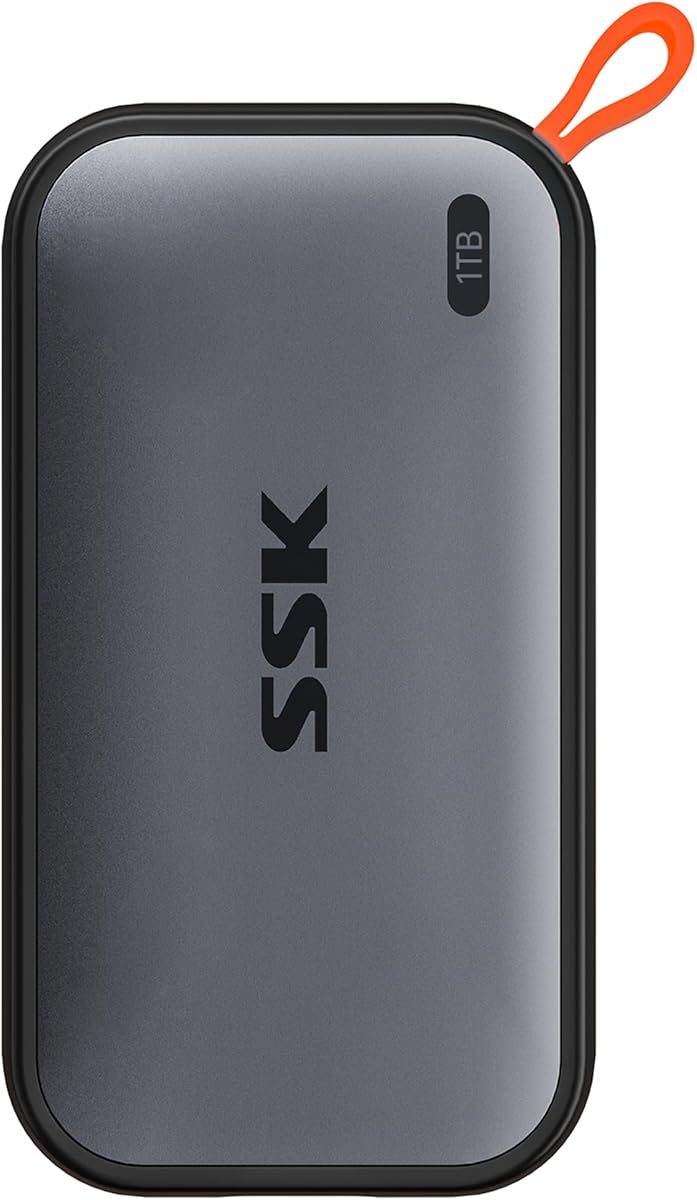
SSK Portable SSD
4.5Editor score
1050MB/s read speeds
Lightweight aluminum case
SLC caching technology
This guide compares the top external SSDs for virtual machines focusing on speed, durability, and compatibility to help you choose the best storage for VM
Virtual machines require fast storage to run smoothly without lag. An external SSD provides the speed needed for booting and running virtual systems efficiently. Choosing the right drive ensures your projects stay productive and responsive.
We evaluated ten top-rated portable SSDs based on read speeds, durability, and compatibility with major operating systems. Each drive was analyzed for its ability to handle heavy virtual machine workloads. Our list highlights the best options for different needs and budgets.
Every pick shows key specs like transfer rates and protection ratings. You will find detailed pros and cons for each model to aid your decision. Prices and availability change frequently so verify details before purchasing.
4.5Editor score
4.6Editor score

4.7Editor score
The table below compares the key specifications of all ten external SSDs. See how each drive stacks up in speed and durability to find the right fit for your virtual machines.


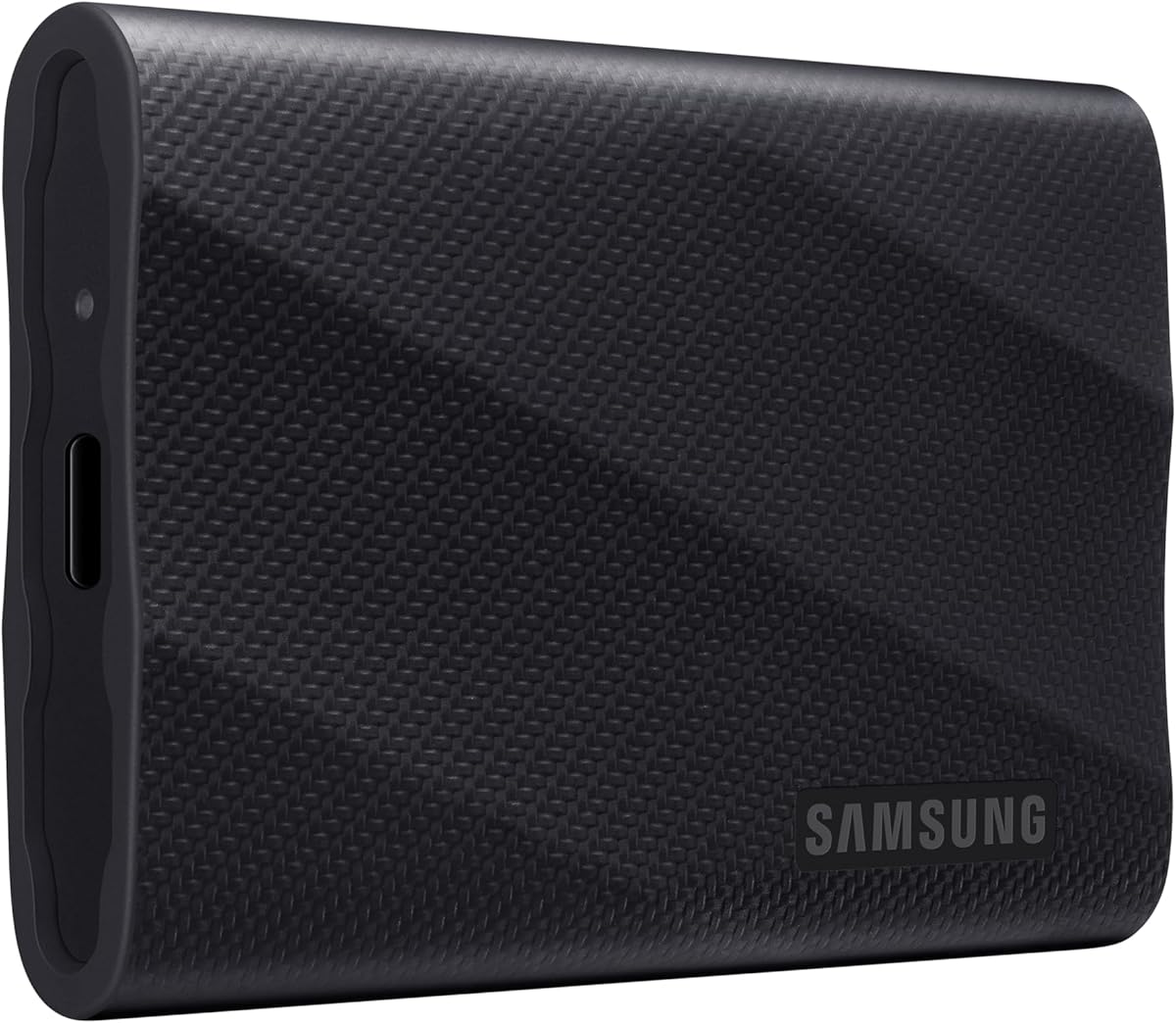
The Samsung T9 Portable SSD stands out as a top choice for virtual machines with its fast performance. It has a rating of 4.6 and delivers speeds up to 2000MB/s. This makes it great for heavy tasks.
We may earn a commission when you buy through this link, at no additional cost to you.
Its standout quality is the dynamic thermal guard which keeps the drive cool during long use. The Magician software helps manage firmware and security. This ensures steady speeds when running virtual systems.
The drive is compatible with many devices but needs specific ports for top speeds. This may limit some users. The price is higher than others but the performance justifies it.
Virtual machine users needing speed and reliability should consider this drive. It balances power and portability well. The thermal control helps avoid slowdowns during intense workloads.
The thermal solution prevents overheating which keeps read speeds consistent. This avoids the slowdowns seen in less controlled drives.
Magician software offers health monitoring and encryption. These tools help keep your virtual machine data secure and organized.
We may earn a commission when you buy through this link, at no additional cost to you.
The SSK Portable SSD offers strong value for those seeking fast storage. It holds a 4.5 rating and provides read speeds up to 1050MB/s. This suits many virtual machine needs well.
We may earn a commission when you buy through this link, at no additional cost to you.
Its key strength is the SLC caching which maintains high speeds for transfers. The aluminum case helps manage heat during use. It includes both cable types for flexibility.
The cache size might slow very large file transfers after a while. Also it is a smaller brand compared to major names. But the performance remains solid.
Users needing a budget-friendly drive will find this fit. It delivers reliability without high costs. The portable size makes it easy to carry.
SLC caching allocates part of the drive for high-speed writes. This ensures fast performance for typical VM tasks.
The aluminum case dissipates heat and protects the drive. Its light weight helps you take it anywhere.
We may earn a commission when you buy through this link, at no additional cost to you.
The Corsair EX400U Survivor is a top-tier choice for power users. It rates at 4.7 and reaches speeds up to 4000MB/s. This is ideal for demanding virtual machines.
We may earn a commission when you buy through this link, at no additional cost to you.
Its main benefit is the USB4 interface which rivals internal drives. The IP55 housing protects against dust and water. It works without drivers on many systems.
Maximum speeds need a USB4 host which is rare on standard PCs. The price is high compared to other options. But it delivers top performance.
Professionals needing maximum speed should choose this drive. It handles the toughest virtual tasks easily. The durability adds peace of mind.
USB4 technology allows speeds up to 4000MB/s. This moves large VM files in record time.
The sealed housing protects against daily wear. It ensures data safety in various environments.
We may earn a commission when you buy through this link, at no additional cost to you.
The SanDisk 2TB Extreme offers plenty of space for virtual machines. It holds a 4.6 rating and provides 2TB of storage. This allows many VMs on one drive.
We may earn a commission when you buy through this link, at no additional cost to you.
Its key features include IP65 resistance and strong drop protection. The included app manages files and space. Password protection keeps data secure.
The speed is decent but lower than newer models. It might be heavier for daily carry. The capacity is the main draw here.
Users needing large storage for VMs will appreciate this. It balances durability with space well. The brand reputation adds confidence.
Two terabytes allow multiple virtual machine files. This reduces the need for multiple drives.
IP65 rating keeps water and dust out. It survives drops up to 3 meters.
We may earn a commission when you buy through this link, at no additional cost to you.
The Samsung T7 Portable SSD is a trusted choice for VM storage. It rates at 4.7 with speeds up to 1050MB/s. It balances performance with affordability well.
We may earn a commission when you buy through this link, at no additional cost to you.
Its aluminum body provides strong durability and heat resistance. It works with PCs and mobile devices easily. The brand is known for flash memory quality.
Speeds are limited to USB 3.2 standards. It does not support faster interfaces. But it covers most standard uses.
Anyone needing a reliable portable drive will find this. It is good for general VM tasks. The brand ensures long term use.
The unibody construction withstands daily use. It helps keep the drive cool during transfers.
It connects to Android and iPhone devices. This enables flexible storage options on the go.
We may earn a commission when you buy through this link, at no additional cost to you.
The Samsung T7 Shield is built for tough environments. It rates at 4.7 with speeds up to 1050MB/s. It offers ruggedness and space for VMs.
We may earn a commission when you buy through this link, at no additional cost to you.
Its IP65 rating and drop protection are top tier. The 2TB capacity holds many virtual machine files. Software helps manage drive health.
It is slower than top tier SSDs. The rugged design adds weight. But the durability makes up for it.
Users working in rough conditions will benefit most. It ensures data safety on site. The brand adds reliability.
Withstands water and drops up to 9.8 feet. Ideal for field work with VMs.
Two terabytes provide room for many VMs. Reduces need for extra drives.
We may earn a commission when you buy through this link, at no additional cost to you.
The Crucial X10 Portable SSD delivers strong speeds for VMs. It rates at 4.5 with read speeds up to 2100MB/s. It also offers 2TB of space.
We may earn a commission when you buy through this link, at no additional cost to you.
Its broad compatibility ensures it works with many systems. The IP65 rating keeps it dust and water resistant. Bonus software adds value to the purchase.
It is pricier than some options in the market. Write speeds are less clear than read speeds. But it handles VM needs well.
Users needing speed and capacity should consider this. It balances performance with utility. The brand offers reliability.
Up to 2100MB/s read speeds load VMs quickly. This keeps workflows efficient.
Works with Windows, Mac, Linux and mobile. Fits any setup without issues.
We may earn a commission when you buy through this link, at no additional cost to you.
The Lexar 2TB ES3 provides a sleek option for VM storage. It rates at 4.5 with speeds up to 1050MB/s. It also comes with 2TB of space.
We may earn a commission when you buy through this link, at no additional cost to you.
Its graphite heat sheets help keep it cool during use. The drop resistant build protects against accidents. It includes cables for multiple ports.
It lacks advanced software features. The speed is standard compared to newer SSDs. But it offers good value.
Users needing simple and sturdy storage will like this. It holds many VM files. The build quality is solid.
Graphite sheets conduct heat away quickly. This maintains speed during long transfers.
Two terabytes allow many virtual machine files. Reduces the need for multiple drives.
We may earn a commission when you buy through this link, at no additional cost to you.
The SanDisk Professional PRO-G40 is designed for pro users. It rates at 3.9 with speeds up to 3000MB/s. It offers huge 4TB of space.
We may earn a commission when you buy through this link, at no additional cost to you.
Its Thunderbolt 3 support allows fast transfers. The IP68 rating makes it fully waterproof. It handles heavy workloads with ease.
It has a lower rating than competitors. The price is quite high for most. But capacity and durability stand out.
Pro users with large VM needs should choose this. It provides extreme storage and speed. The build is very strong.
Four terabytes hold vast VM libraries. One drive fits all large needs.
Up to 3000MB/s read speeds via Thunderbolt. Ideal for professional editing.
We may earn a commission when you buy through this link, at no additional cost to you.
The SABRENT Rocket Nano XTRM is a compact power drive. It rates at 4.4 with speeds up to 2700MB/s. It balances size with performance well.
We may earn a commission when you buy through this link, at no additional cost to you.
Its Thunderbolt 3 support allows fast transfers. The compact body fits in a shirt pocket. It includes both cables for flexibility.
It requires a Thunderbolt host for top speed. The price is higher than basic models. But it is very portable.
Users needing fast portable storage will prefer this. It delivers strong speeds on the go. The warranty adds value.
Tiny size makes it easy to carry. Perfect for travel with VMs.
Up to 2700MB/s read speeds move data fast. Handles 4K editing easily.
We may earn a commission when you buy through this link, at no additional cost to you.
Choosing the right external SSD for virtual machines involves looking at speed, durability, and compatibility. This section breaks down the key factors to help you select the perfect drive.
Virtual machines need fast read speeds to boot and run smoothly. Look for drives with at least 1000MB/s read speeds. Higher speeds reduce lag and improve performance.
Prioritize read speeds over write speeds for VMs. Ensure your host system supports the port type for max speed.
Most modern drives use USB 3.2 or Thunderbolt. USB-C is standard but check your PC has the right port. Thunderbolt offers faster speeds but is less common.
Choose USB 3.2 for standard use or Thunderbolt for pro workloads. Match the cable type to your device.
Virtual machine files take up lots of space. Aim for 1TB or more to store multiple VMs. Larger capacities reduce the need for multiple drives.
Select capacity based on your VM count. Larger files require more space for smooth operation.
Portability means risk of drops. Look for IP65 or higher water and dust resistance. Drop protection ratings help ensure the drive survives daily use.
Choose rugged builds if you travel often. Protection keeps data safe from accidents.
Ensure the drive works with your OS like Windows or Mac. Most SSDs are cross compatible. Check for drivers if needed for older systems.
Pick universal drives to avoid setup issues. Compatibility ensures quick access.
Some drives include management software for health checks. Encryption tools protect sensitive VM data. Backup apps help automate file safety.
Value drives with software tools. They enhance security and maintenance.
Prices vary by speed and capacity. Balance performance needs with your budget. Higher cost often means better durability and support.
Pick a drive that fits your wallet. Ensure it meets speed requirements.
Trusted brands offer better reliability and support. Check warranty terms and customer service. Established brands reduce risk of failure.
Choose known names for peace of mind. Warranty coverage adds security.
Connect the drive to a USB port and let it auto mount. Format it to a file system that matches your OS. This ensures full compatibility.
Store your virtual machine files on the drive after formatting. Always eject the drive safely to avoid data loss. This keeps your files secure.
Keep the drive cool and dry when not in use. Avoid direct sunlight or heat. Regularly backup data to another source.
Aim for at least 1000MB/s read speeds. Faster drives reduce lag during VM boot and use. Ensure your USB port supports this speed for best results.
Yes they are safe if you eject them properly. Always use safe eject before unplugging. This prevents data corruption.
Most USB-C drives work well. Check your computer has USB 3.2 or Thunderbolt for full speed. Standard USB ports may slow performance.
Yes format to match your OS like NTFS or APFS. This ensures compatibility. Most drives come preformatted but may need changes.
Use safe eject to avoid corruption. Regular backups are key. Some SSDs offer encryption features to secure data.
Yes if your PC supports it. It offers much faster speeds. But standard USB 3.2 works for most needs.
Get at least 1TB to store multiple VMs. Larger files need more space. 2TB or 4TB suits heavy users.
Most are plug and play. Drivers are rarely needed. Check if specific software helps manage the drive.
We reviewed ten top external SSDs for virtual machines. The Samsung T9 and Corsair EX400U stood out for performance. Each drive offers unique features.
Prioritize read speed and compatibility for smooth VM work. Durability and capacity matter too for long term use. Choose based on your specific needs.
Prices and stock change often. Check current deals before buying. This ensures you get the best value today.