
M350 AUPHY Mechanical Metronome
4.4Editor score
High-strength PC body
Accent bell for beat selection
Low center of gravity
This guide compares the top ten mechanical metronomes for piano players to help you find the best device for accurate rhythm training and reliable performance.
Choosing the right mechanical metronome for piano practice ensures you develop a solid sense of timing without relying on batteries or digital screens. These classic devices provide audible clicks and visual pendulum movements that help musicians of all ages stay on beat during rehearsals and performances.
We evaluated ten top-rated mechanical metronomes based on build quality, sound precision, ease of use, and overall value for piano students and professionals. Each product was reviewed for its tempo range, bell options, durability, and how well it supports consistent practice routines across various musical styles.
Each pick in this list highlights specific strengths like loud sound output, elegant design, or beginner-friendly operation to suit different preferences and budgets. Please note that prices and availability may change over time so check current listings before making your final purchase decision.
4.4Editor score

4.5Editor score

4.6Editor score
Here is a side-by-side comparison of all ten mechanical metronomes to help you quickly identify which model fits your practice needs and aesthetic preferences best.

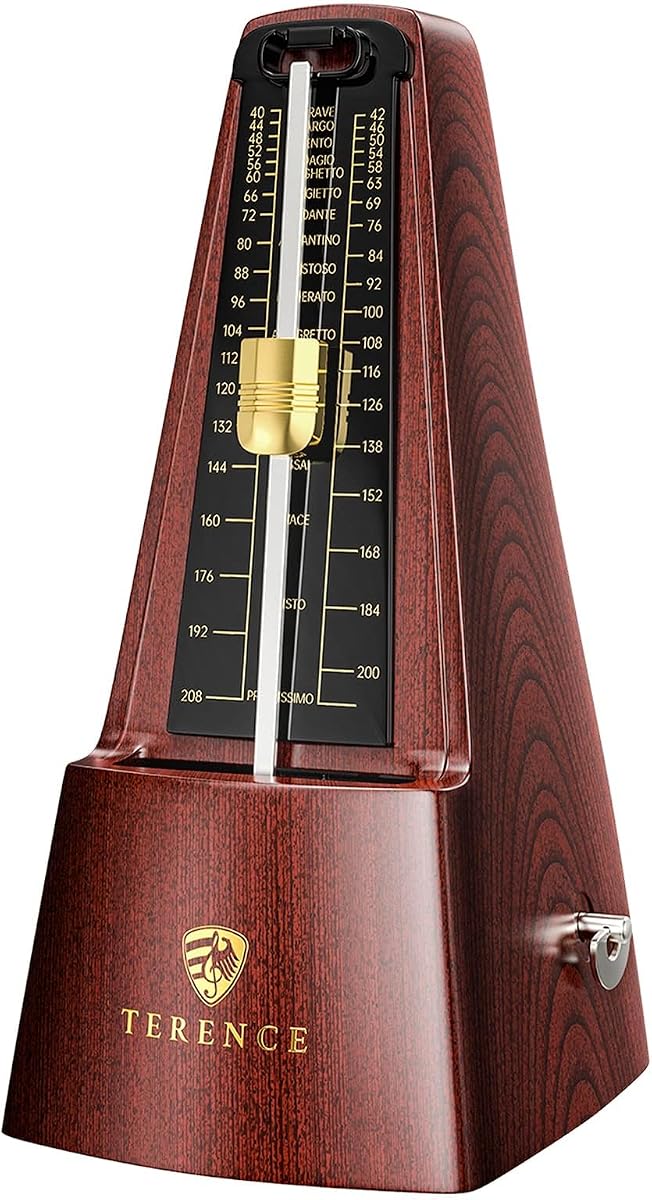


The Tempi Mechanical Metronome stands out as a top choice for musicians seeking a reliable and elegant timing tool. With a rating of 4.5 stars, it combines classic design with precise mechanical movement to help piano players maintain steady tempos during practice sessions. Its brown grain veneer finish makes it a stylish addition to any music room while delivering the functional accuracy needed for serious training.
We may earn a commission when you buy through this link, at no additional cost to you.
This metronome features steel gears that ensure durability and consistent performance over time. The tempo range spans from 40 to 208 beats per minute allowing you to adjust speed for any piece from slow adagios to fast allegros. The wind-up mechanism provides an average of 20 minutes of runtime which supports extended practice without interruption. The optional beat bell can be set to 0 2 3 4 or 6 beats to help you internalize complex rhythms.
While the wind-up key requires some force which might challenge younger users the sturdy construction justifies the effort. The absence of battery dependency means you never have to worry about power failure mid-practice. The included microfiber cloth allows you to keep the veneer surface pristine so it looks great on your piano or shelf.
This model is ideal for students and adults who value both form and function in their practice tools. Whether you are preparing for a recital or simply building rhythm skills this metronome delivers reliable accuracy and timeless style. We recommend it for anyone ready to invest in a long-lasting device that supports consistent musical development.
The brown grain veneer exterior ensures this metronome complements home decor while providing the precision needed for serious music practice.
Steel gears inside the mechanism prevent wear and tear so the metronome keeps accurate time over years of daily use.
We may earn a commission when you buy through this link, at no additional cost to you.
The M350 AUPHY Mechanical Metronome offers excellent value for musicians looking for reliable timing without a high cost. Rated at 4.4 stars it features a classic design with a high-strength PC body that balances durability and affordability. Its clear audible beats and accent bell make it easy for piano students to track tempo and rhythm during lessons or solo practice.
We may earn a commission when you buy through this link, at no additional cost to you.
This model includes a transparent dust cover to protect the pendulum and internal gears from dust buildup. The wind-up mechanism produces approximately 2160 clicks on a full wind which translates to 10 to 40 minutes of use depending on tempo settings. The center of gravity is lowered to keep the metronome stable on piano tops even when played vigorously. Five beat modes allow you to customize the accent bell for different time signatures.
Although the plastic construction feels lighter than wood it still maintains accuracy within one percent which meets practice needs. The wind-up key is smooth and easy to operate for most users. If you need a no-frills tool that gets the job done without breaking the bank this is a solid option for daily training.
We recommend this metronome for beginners and intermediate players who want a dependable device for rhythm exercises. It is also practical for teachers who need multiple units for classrooms. The combination of sound precision ease of use and low price makes it a standout budget choice for piano students.
High-strength PC material ensures the body withstands daily handling while a low center of gravity keeps the unit steady during use.
Selectable beat modes with an accent bell help you master complex rhythms by highlighting the first beat in each measure.
We may earn a commission when you buy through this link, at no additional cost to you.
The Wittner 836 Taktell Piccolo Metronome earns its place as a premium option with its reputation for accuracy and timeless design. With a 4.6 star rating it is favored by musicians who prefer a clean click without extra bell accents. Its compact black casing sits unobtrusively on piano surfaces while delivering consistent tempo control for practice and performance.
We may earn a commission when you buy through this link, at no additional cost to you.
This model focuses on simplicity with straightforward controls for adjusting speed and winding the spring. The absence of a bell ensures the metronome does not interfere with delicate piano passages where even soft percussion might distract. The mechanical movement is built to last providing steady beats across the standard range needed for most repertoire. Its smaller footprint makes it ideal for pianists with limited desk space.
Some users might miss the bell option for complex rhythm training but the pure click is often preferred for tone-focused practice. The price reflects the brand reputation and build quality though it is higher than generic alternatives. If you prioritize reliability and minimalism in your practice tool this metronome delivers exactly that.
We recommend this device for advanced players and professionals who value precise tempo control over extra features. It is also suitable for students who find bells distracting. The Wittner name guarantees a level of quality that supports focused musical development without unnecessary distractions.
Without a bell the metronome provides a pure click that keeps attention on musical timing rather than rhythmic accents.
Wittner is a respected name in music tools so you can trust this model to perform accurately for years of daily use.
We may earn a commission when you buy through this link, at no additional cost to you.
The Ueteto Mechanical Metronome is designed for musicians who need a loud clear click to stay on beat in noisy environments. Rated at 4.4 stars it produces an audible click and bell ring that ensures you never lose the tempo during practice. Its straightforward design makes it easy for piano students and teachers to adjust tempo and beat patterns quickly.
We may earn a commission when you buy through this link, at no additional cost to you.
This model features a wind-up mechanism that eliminates the need for batteries and ensures reliable operation anywhere. The tempo range spans from 40 to 208 beats per minute covering most standard practice needs. The beat selection allows you to choose 0 2 3 4 or 6 to customize how the bell accents each measure. The durable build supports frequent handling in classrooms or studios.
The loud sound is a strength for group practice but may feel overwhelming in quiet spaces. The wind duration varies with tempo so plan accordingly for long sessions. Overall it offers solid performance for the price and is a practical choice for players who prioritize volume and simplicity.
We recommend this metronome for pianists practicing in shared spaces or with loud accompaniment. It is also suitable for students learning to maintain tempo through auditory cues. The combination of loud sound ease of use and affordability makes it a strong contender for daily practice needs.
The audible click and bell ring ensure you can hear the beat clearly even when other instruments or noise are present.
Select from 0 2 3 4 or 6 beats to practice different time signatures and develop a stronger sense of rhythmic structure.
We may earn a commission when you buy through this link, at no additional cost to you.
This Mechanical Metronomes Wood Grain model blends classic aesthetics with reliable mechanics for piano players who value both style and function. With a 4.4 rating it features all-metal movement to ensure precision and durability. The loud sound output helps beginners establish a clear sense of beat while the elegant wood grain finish enhances the visual appeal of your practice space.
We may earn a commission when you buy through this link, at no additional cost to you.
The metronome operates on a simple wind-up system that does not require batteries. It covers a tempo range from 40 to 208 BPM and offers beat selections to match various time signatures. High precision engineering keeps the beat stable across different speeds which is crucial for developing consistent rhythm. The controls are intuitive so users can adjust tempo and beat settings without frustration.
The wind-up key can feel stiff when new but loosens with use. While it costs slightly more than basic plastic models the all-metal internals justify the investment for longevity. The wood grain appearance makes it a nice display piece when not in use.
We recommend this metronome for students and home pianists who want a durable device that looks great on a piano. The combination of precision sound and design makes it a balanced choice for regular practice sessions and lesson use.
Metal parts ensure the internal gears stay accurate over time so the metronome keeps steady beat without drift.
Simple steps to remove stopper wind up and adjust tempo make this easy for children and new learners to use.
We may earn a commission when you buy through this link, at no additional cost to you.
This Mechanical Metronomes for Piano unit offers a classic walnut color that adds a touch of elegance to any practice room. With a 4.2 rating it provides high-strength PC construction and a transparent dust cover to protect the mechanism. The loud sound and high precision beat help musicians maintain tempo and improve rhythm skills effectively.
We may earn a commission when you buy through this link, at no additional cost to you.
The tempo range spans 40 to 208 BPM with selectable beats to suit different practice needs. A full wind can last between 15 to 45 minutes depending on the tempo setting which supports extended sessions without interruption. The simple operation makes it accessible for beginners and children who are just starting to learn timing.
The walnut finish looks refined but the rating suggests some users may find it less precise than higher-end models. However for casual practice and daily use it delivers reliable performance. The dust cover is a nice touch for keeping the pendulum clean.
We recommend this metronome for pianists who want a stylish and affordable option for home practice. It works well for students learning to keep a steady pace and is a practical addition to any music space.
The walnut color finish gives this metronome an elegant look that complements traditional piano furniture and decor.
With up to 45 minutes of runtime on a full wind you can practice for long periods without frequent re-winding.
We may earn a commission when you buy through this link, at no additional cost to you.
This Universal Metronome offers multiple color options so you can match your personal style or music room decor. With a 4.6 rating it combines high-hardness plastic and metal movement to deliver stable performance. The heavy bell sound ensures clear beats that are easy to hear during piano practice or lessons.
We may earn a commission when you buy through this link, at no additional cost to you.
The tempo is adjustable from 40 to 208 BPM allowing you to practice pieces at any speed. The durable build supports frequent handling in studios and classrooms. Simple controls make it easy to set beat and speed quickly before playing. The universal design works well for piano and other instruments.
The plastic body is lightweight which makes it portable but some users may prefer a heavier feel. The heavy bell is useful for clarity but can be distracting in quiet rooms. Overall it is a robust and versatile tool for many musicians.
We recommend this metronome for players who want variety in color and reliability in performance. It is a solid choice for students and educators who need a durable device that works for multiple instruments.
Choose from multiple colors to find a metronome that matches your music room aesthetic or personal preference.
The heavy bell produces a loud sound that helps you stay on beat even in busy practice environments.
We may earn a commission when you buy through this link, at no additional cost to you.
This Ueteto Mechanical Metronome features a wood grain design that offers both visual appeal and long wind duration. With a 4.3 rating it provides precise rhythm control and a clear audible click to keep you on time. A full wind can last up to 54 minutes at 40 BPM making it ideal for extended practice sessions.
We may earn a commission when you buy through this link, at no additional cost to you.
The mechanism is simple to operate with a winding key and weight slider. The wood finish looks classic but requires care to avoid scratches. The audible click is loud enough to hear over piano keys but not overly harsh. This makes it suitable for focused solo practice.
The wind duration is a strong point especially at slower tempos but it shortens as tempo increases. This means you may need to re-wind for fast passages. Overall the design and runtime make it a useful tool for disciplined practice.
We recommend this metronome for pianists who value long battery-free runtime and classic aesthetics. It works well for daily routines and is a practical choice for home studios.
At slower tempos you can get up to 54 minutes of beats from a single wind reducing interruptions during practice.
The wood grain finish gives this metronome a timeless look that fits well in traditional music spaces.
We may earn a commission when you buy through this link, at no additional cost to you.
The TERENCE Mechanical Metronome stands out with its transparent design that allows you to see the internal gears and pendulum. With a 4.0 rating it uses all-metal movement and a copper pendulum for consistent tracking. The loud sound helps beginners establish a clear sense of tempo while the portable size makes it easy to carry.
We may earn a commission when you buy through this link, at no additional cost to you.
The ABS material is designed to stay bright without yellowing though long-term wear may vary. The metal knob and pendulum add durability to the unit. Precise beat tracking supports effective practice for piano and other instruments. It is suitable for teaching settings where visual feedback helps students learn timing.
The transparent look is appealing but may show dust more than opaque models. The rating suggests some inconsistency in performance compared to higher-rated models. Still for a visual aid and portable practice it offers value.
We recommend this metronome for students who benefit from seeing the pendulum movement. It is also a good portable option for travel or classroom use where visibility and clarity matter.
The clear design lets you watch the pendulum swing which helps learners understand timing and rhythm visually.
The copper pendulum resists rust and ensures smooth swinging over time for reliable performance.
We may earn a commission when you buy through this link, at no additional cost to you.
This Mechanical Metronome with Loud Sound is designed for beginners who need clear audible beats to start building rhythm skills. With a 3.8 rating it offers simple operation and precise beats that help maintain tempo during practice. The engraved markings ensure durability while the affordable price makes it accessible for new students.
We may earn a commission when you buy through this link, at no additional cost to you.
The tempo range spans 40 to 208 BPM covering most standard pieces. The wind-up mechanism requires no batteries and provides reliable operation. The loud sound helps you stay on track even if you miss a visual cue. It is suitable for piano and other instruments for daily training.
The rating suggests some users found the build quality lighter than expected. However for the price it delivers basic functionality that supports learning. The simplicity is a strength for those who want a no-fuss tool to get started.
We recommend this metronome for children and adults beginning their piano journey. It is a practical low-cost option for practicing basic timing and rhythm in a home setting.
Easy steps to remove cover wind and adjust speed make this accessible for young learners and beginners.
The loud click ensures you hear the beat clearly so you can focus on playing instead of counting.
We may earn a commission when you buy through this link, at no additional cost to you.
Choosing the right mechanical metronome for piano requires understanding several key features that affect accuracy, durability, and ease of use. This guide explains the factors you should consider to find a device that supports your practice goals effectively.
A good mechanical metronome for piano should cover a wide tempo range to accommodate slow and fast pieces. Most models offer 40 to 208 beats per minute which is sufficient for standard repertoire. Check that the markings are clear so you can set speeds accurately without guessing.
Look for a tempo range that matches the pieces you practice most. If you play classical music you may need slower speeds for adagios and faster for allegros. Ensure the scale is easy to read so you can adjust quickly during lessons.
The audible click and any bell sounds must be loud enough to hear over piano keys but not so harsh they distract. Quality movement ensures the sound remains consistent without clicking or stalling. Some models offer a bell for the first beat to help you track time signatures better.
Select a metronome with a clear tone that does not muffle or distort at high tempos. A louder sound is useful in noisy environments but quieter settings may prefer a softer click. Test the volume to ensure it matches your practice space needs.
Durability depends on the materials used in the body and internal gears. Metal movement lasts longer than plastic and resists wear from daily use. The casing should be sturdy enough to withstand accidental bumps and remain stable on piano tops.
Check for features like a low center of gravity to prevent tipping during play. High-quality gears reduce friction and keep the beat accurate over time. A durable model will serve you through years of regular practice without failure.
Mechanical metronomes rely on a spring that must be wound to operate. A full wind should provide enough runtime for typical practice sessions which can range from 10 to 45 minutes. The winding key should turn smoothly without slipping or requiring excessive force.
Consider how often you need to wind the device based on your routine. Some models offer longer runtimes at slower tempos which helps reduce interruptions. Ensure the winding process is simple so you can start practicing quickly.
The ability to choose beat patterns such as 2 3 4 or 6 helps you practice different time signatures effectively. Models with a bell accent on the first beat make it easier to stay oriented in a measure. Having an option to turn off the bell is useful for pieces where you want only clicks.
Look for clear labels on the beat dial so you can switch modes easily. This feature is essential for learning complex rhythms and maintaining consistent tempo across different pieces. A versatile beat system supports broader musical training.
The look of the metronome matters if it sits on a piano where you see it daily. Wood grain veneers or classic shapes complement traditional decor while transparent or plastic models suit modern spaces. A good design encourages consistent use by fitting into your practice area naturally.
Consider whether you prefer a visible pendulum for visual timing or a compact design to save space. Aesthetic choices should not compromise function but a pleasing look can make practice more enjoyable. Choose a finish that resists scratches and fingerprints.
If you travel or move between studios a lightweight and compact metronome is valuable. Check the size and weight to ensure it fits in a bag without taking too much space. Portable models should still maintain stability and accuracy when used on different surfaces.
Look for models with covers or cases to protect the pendulum during transport. A portable unit allows you to keep consistent practice habits anywhere. Ensure it is easy to set up quickly so you can start playing without delays.
Beginners and children need simple controls to adjust tempo and beat without confusion. A straightforward wind-up process and clear markings help users start practicing right away. Complex settings may hinder progress for those just learning to keep time.
Check that the weight slider and bell dial move smoothly without sticking. The instructions should be clear for setting up the device. An easy-to-use metronome encourages consistent practice and reduces frustration during learning.
To start using your mechanical metronome remove the bottom stopper or brake if present and place the device on a flat stable surface near your piano. Ensure the surface is level so the pendulum swings freely without obstruction which helps maintain accurate timing.
Wind the mainspring by turning the key clockwise until you feel resistance then select your desired tempo by sliding the weight up or down. Choose your beat pattern by adjusting the dial then flick the pendulum to one side to release it so the clicking begins.
Keep your metronome clean by using a soft cloth to wipe dust and fingerprints from the casing. Avoid exposing it to moisture or extreme heat and store it in a dry place when not in use to protect the internal mechanism from rust or wear.
No mechanical metronomes do not require batteries because they use a spring-driven winding mechanism to operate. You simply wind the key to store energy then release the pendulum to start the beats. This design ensures reliable use without needing to change power sources.
Most mechanical metronomes for piano produce a clear audible click that is loud enough to hear over keys. Some models also include a bell that is louder to accent the first beat. Volume depends on the specific model and how well it is maintained.
Yes mechanical metronomes are universal tools that work for piano guitar violin drums and many other instruments. The tempo range and beat patterns cover most musical needs so you can use the same device across different instruments.
A full wind typically lasts between 10 to 45 minutes depending on the selected tempo. Slower speeds allow for longer runtimes while faster tempos use the spring energy more quickly. This helps plan practice sessions without frequent interruptions.
A tempo range of 40 to 208 beats per minute covers most piano pieces from slow adagios to fast allegros. This range supports developing control at both slow and fast speeds which is essential for mastering diverse repertoire effectively.
Use a soft dry cloth to gently wipe dust and fingerprints from the exterior casing. Avoid using liquids or harsh chemicals that could damage the finish or internal parts. Store the metronome in a cool dry place to prevent moisture damage.
Accuracy loss can result from dust buildup uneven surfaces or worn gears inside the mechanism. Place the metronome on a level surface and keep it clean to maintain precision. Regular winding and handling ensure parts stay in good working condition.
Mechanical metronomes offer a classic experience with no battery needs and visual pendulum cues. Digital versions may have more features but mechanical models are often simpler and more durable for focused practice. The best choice depends on your preference for sound and function.
This guide reviewed ten top mechanical metronomes for piano including the Tempi Metronome for Musicians M350 AUPHY Mechanical Metronome and Wittner 836 Taktell Piccolo as top picks. Each offers unique strengths whether you need loud sound elegant design or reliable timing for daily practice.
When selecting a device prioritize tempo range sound quality and build durability to match your skill level and practice environment. A good mechanical metronome will help you develop a steady sense of rhythm and improve overall musical accuracy over time.
Remember that prices and availability change so check current listings before purchasing your chosen model. With the right tool you can maintain consistent tempo and enhance your piano playing with confidence and precision.