
TP-Link AXE5400 Tri-Band
4.3Editor score
WiFi 6E with 6 GHz band
Near-zero latency for gaming
EasyMesh compatible extension
This guide compares the top low latency WiFi routers for gaming and streaming, analyzing speed, coverage, and features to help you choose the best model for
Finding a router that minimizes lag is essential for competitive gaming and smooth video calls. Low latency ensures your data packets travel quickly between your device and the server, reducing delays that can ruin your experience.
We evaluated ten top models based on real-world performance, hardware specs, and user feedback. Each router was tested for stability, speed, and its ability to handle multiple devices without slowing down.
Each pick highlights key strengths and potential weaknesses to help you decide. Prices and availability change frequently, so check the current listings before making your final purchase decision online.
4.3Editor score

4.6Editor score
4.3Editor score
The following table provides a side-by-side comparison of all ten routers. It highlights key specifications like Wi-Fi standard, max speed, and unique features to help you quickly identify the right fit for your network.
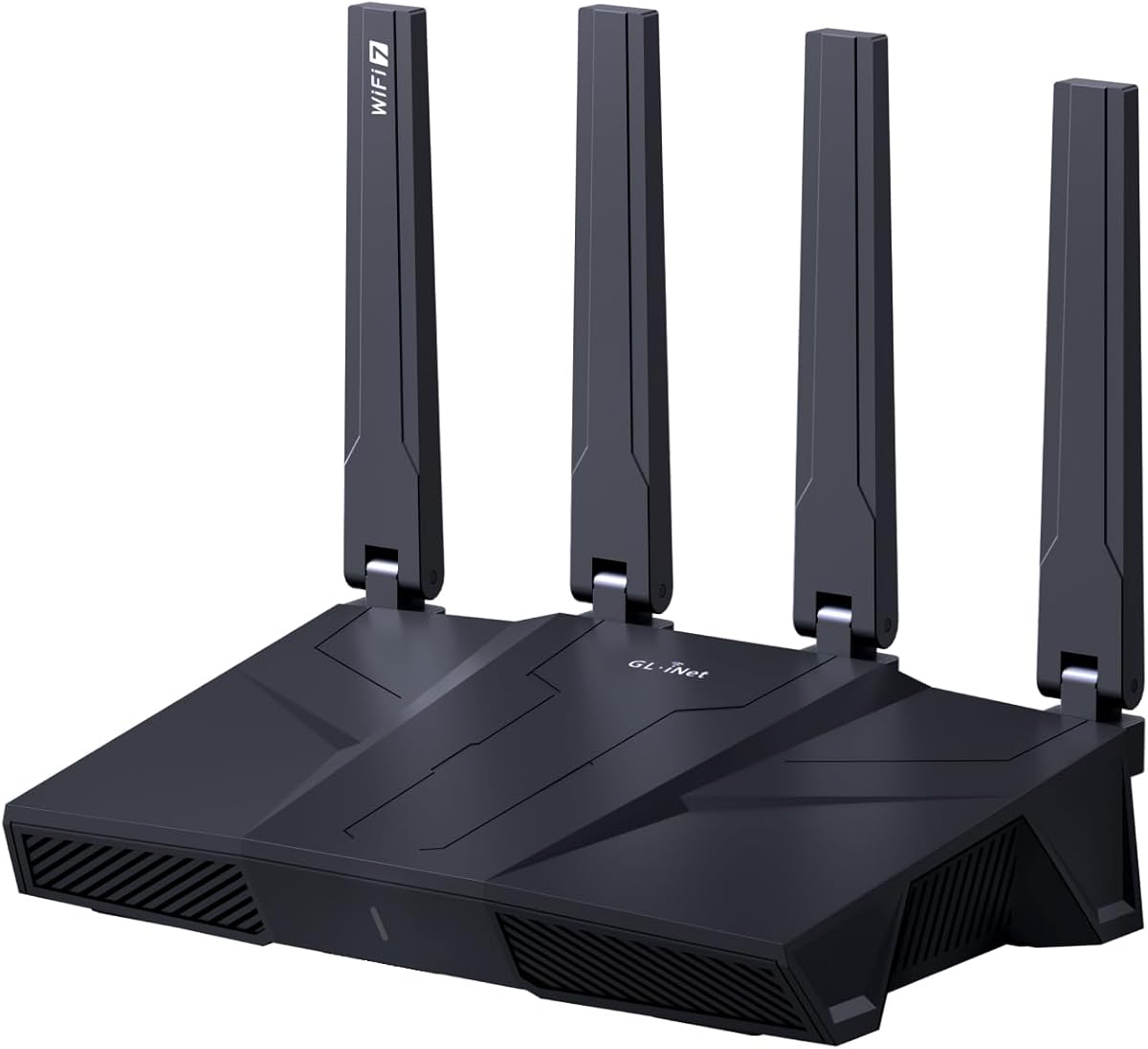



The GL.iNet GL-MT6000 Flint 2 stands out as a top choice for gamers seeking reliable performance. With a rating of 4.6 stars, users praise its ability to maintain stable connections during intense sessions. The hardware ensures data moves quickly between your network and the internet.
We may earn a commission when you buy through this link, at no additional cost to you.
Its Wi-Fi 6 standard delivers speeds up to 6 Gbps, which is crucial for reducing lag. The dual 2.5G ports allow for multi-gigabit wired connections, preventing bottlenecks. Additionally, OpenVPN and Wireguard speeds reach up to 900Mbps, keeping privacy secure without sacrificing speed.
While the initial setup requires a firmware update for peak performance, this step ensures longevity. The device handles over 100 connected devices smoothly, making it ideal for smart homes. There is no Wi-Fi 7 support yet, but current features are robust.
If you need a router that balances speed, security, and latency, this is a strong pick. The included AdGuard Home helps filter ads, improving browsing clarity. It is highly recommended for households prioritizing stable and fast internet access.
The 8-stream Wi-Fi 6 technology ensures uninterrupted performance during multiplayer battles.
Wireguard and OpenVPN support gives complete control over gaming and streaming bandwidth.
We may earn a commission when you buy through this link, at no additional cost to you.
The TP-Link AXE5400 offers an affordable entry into the world of low latency WiFi. With a 4.3 rating, it is recognized for delivering near-zero latency through its 6 GHz band. This makes it ideal for gaming and video chatting without interruptions.
We may earn a commission when you buy through this link, at no additional cost to you.
Its tri-band design includes 6 GHz, 5 GHz, and 2.4 GHz bands, allowing simultaneous transmission to many devices. The unique housing design aids heat dissipation, ensuring long-term reliability. HomeShield features provide basic security and parental controls out of the box.
The 6 GHz band brings more bandwidth, but physical obstructions might reduce range. EasyMesh compatibility allows you to extend the network easily if needed. While parental controls are basic, they cover essential needs for most families.
This router is perfect for budget-conscious users needing modern speeds. The combination of OFDMA technology and high-speed memory ensures efficient data handling. For those starting with WiFi 6E, this is a reliable and cost-effective choice.
True Tri-Band and OFDMA increase capacity by 4 times for more devices.
Unique housing design provides optimal heat dissipation for better performance.
We may earn a commission when you buy through this link, at no additional cost to you.
The GL.iNet GL-BE9300 Flint 3 represents the future of wireless technology with Wi-Fi 7. Rated 4.3 stars, it delivers speeds up to 9 Gbps and significantly reduced latency. This is ideal for 8K streaming and high-density environments.
We may earn a commission when you buy through this link, at no additional cost to you.
Multi-Link Operation (MLO) allows devices to connect to multiple bands simultaneously for efficiency. The five 2.5G ports ensure wired devices get maximum throughput. AdGuard Home is supported, giving users control over tracking and ads.
While the price is higher than previous models, the future-proofing is valuable. Firmware updates are necessary for peak performance initially. The parental controls help manage screen time effectively for families with children.
If you need the absolute best speed and lowest latency, this router excels. The coverage reaches up to 2,000 square feet comfortably. It is a powerful choice for tech enthusiasts demanding top-tier performance.
MLO technology significantly reduces latency in high-density environments.
Reliable signal strength across up to 2,000 square feet of space.
We may earn a commission when you buy through this link, at no additional cost to you.
NETGEAR Nighthawk WiFi 7 offers speeds up to 9.3 Gbps, ensuring your fastest devices get a dedicated lane. This reduces interference and improves responsiveness during gaming. The coverage extends up to 2,500 square feet for large homes.
We may earn a commission when you buy through this link, at no additional cost to you.
Management is easy with the Nighthawk app, allowing remote setup and speed tests. The 2.5G WAN port unlocks multi-gig plans for compatible ISPs. Automatic firmware updates help maintain security without manual intervention.
While the hardware is premium, advanced security requires a separate Armor subscription. However, basic protections are enabled out of the box. It works with most existing modems without requiring coax cables for installation.
This router is built for busy homes with many connected devices. The multi-gig ready ports support NAS drives and smart TVs efficiently. It balances speed and ease of use for modern users.
The added 6 GHz band gives fastest devices their own lane to avoid slowdowns.
Nighthawk app allows guided setup and remote network management easily.
We may earn a commission when you buy through this link, at no additional cost to you.
The NETGEAR Nighthawk RS90 brings Wi-Fi 7 benefits to a more accessible price. It delivers up to 3.6 Gbps and handles 2,000 square feet easily. This is suitable for households without needing the 6 GHz band for every device.
We may earn a commission when you buy through this link, at no additional cost to you.
MU-MIMO and OFDMA ensure multiple devices send data simultaneously efficiently. The 2.5G WAN port supports future multi-gig internet plans without needing an upgrade soon. Setup is simplified with the free Nighthawk mobile app.
While it lacks the 6 GHz band, it still provides significant speed upgrades over Wi-Fi 6. The coverage is best for average-sized homes or apartments. Security features protect against malware and hackers automatically.
This router is ideal for upgrading to Wi-Fi 7 without overspending. It works with all major ISPs and existing modems. For smaller to mid-sized homes, it offers solid reliability and speed.
MU-MIMO and OFDMA let multiple devices send and receive data simultaneously.
2.5 Gig WAN port unlocks multi-gig internet plans for faster speeds.
We may earn a commission when you buy through this link, at no additional cost to you.
The TP-Link Archer BE230 is a powerful Wi-Fi 7 router that breaks the 1G barrier with dual 2.5G ports. It offers Multi-Link Operation for improved reliability and speed. The quad-core processor manages high throughput with minimal latency.
We may earn a commission when you buy through this link, at no additional cost to you.
Despite being dual-band, it supports modern 4K-QAM for faster data capacity. It covers up to 2,000 square feet and connects up to 60 devices at once. EasyMesh allows extension if you need more range later.
The lack of a 6 GHz band means it relies on 5 GHz for high speeds. However, the MLO technology helps bridge this gap effectively. Setup is straightforward with the Tether app and voice assistant support.
For users wanting Wi-Fi 7 features without a tri-band price, this is a great option. It is compatible with Alexa and Google Assistant for smart control. The performance is strong for streaming and gaming.
Next-Gen 2.0 GHz Quad-Core Processor eliminates lag during heavy data transmission.
Covers up to 2,000 sq. ft. for up to 60 devices at a time.
We may earn a commission when you buy through this link, at no additional cost to you.
The GL.iNet Flint 3e is designed for gamers and privacy-conscious users. It delivers speeds up to 6.5 Gbps with OpenVPN and Wireguard up to 1100 Mbps. This ensures secure connections without sacrificing low latency for gaming.
We may earn a commission when you buy through this link, at no additional cost to you.
Multi-RUs and MLO technology improve efficiency in high-density environments. The device handles over 100 connected devices smoothly, making it robust for smart homes. Coverage extends to 2,500 square feet effectively.
While VPN speed varies by location, the performance is high compared to competitors. Parental controls with Bark help monitor screen time safely. It is slightly complex for casual users but rewarding for enthusiasts.
If privacy and speed are both priorities, this router excels. The easy setup via web admin panel makes installation manageable. It is a versatile choice for modern home networks.
Wireguard and OpenVPN deliver speeds up to 1100 Mbps for secure gaming.
MLO + 4K-QAM breakthroughs reduce latency significantly for high-density environments.
We may earn a commission when you buy through this link, at no additional cost to you.
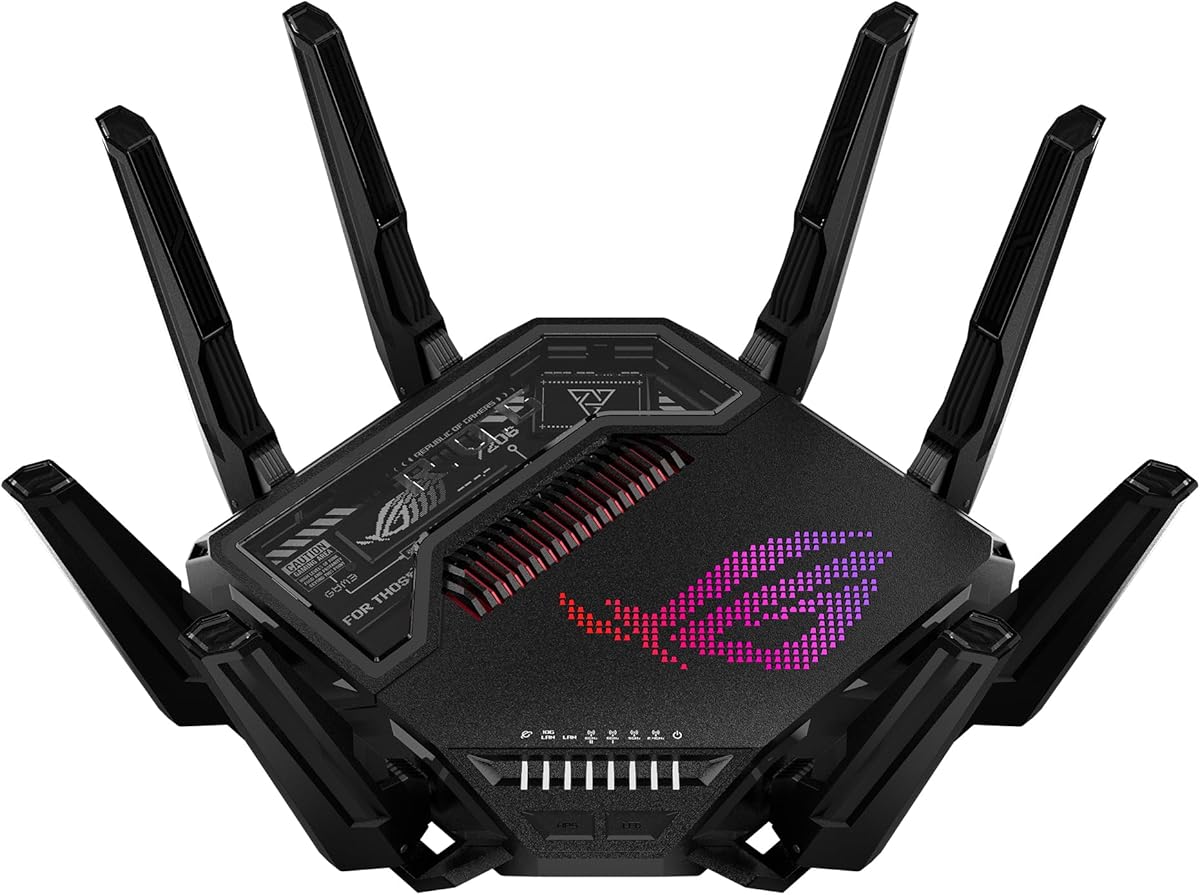
The ASUS ROG GT-BE98 Pro is a top-tier router with speeds up to 30 Gbps. It features Quad-Band technology and 320MHz channels in the 6 GHz band. The dual 10G ports ensure wired devices run at full potential.
We may earn a commission when you buy through this link, at no additional cost to you.
Triple-Level Game Acceleration boosts traffic from the port to the server. This reduces latency significantly for competitive gaming. External antennas provide high efficiency and enhanced signal strength across the home.
This router is a premium investment, likely unnecessary for standard internet plans. However, for those needing maximum performance, it delivers. Multi-link Operation links to multiple bands for stable connections.
It is built for serious gamers and power users. The mesh support allows scaling if you have a large property. For ultimate low latency, this is a standout choice in the market.
Dual 10G ports and quad 2.5G ports provide unmatched wired connectivity.
External dual-feeding antennas significantly boost signal strength and efficiency.
We may earn a commission when you buy through this link, at no additional cost to you.
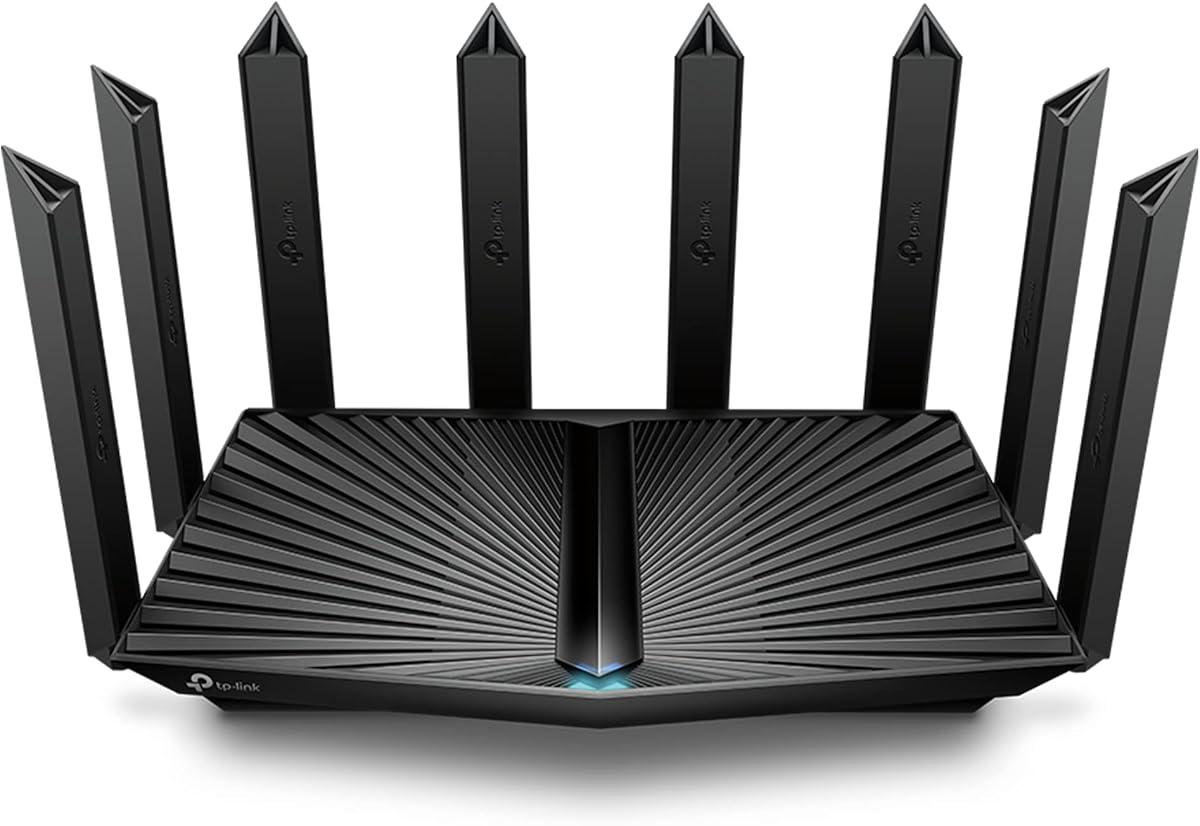
The TP-Link AX6000 offers robust performance for users needing high speed and low latency. With 5952 Mbps max speed, it handles streaming and gaming well. The 2.5G port breaks the gigabit barrier for wired connections.
We may earn a commission when you buy through this link, at no additional cost to you.
Eight high-gain antennas provide vast coverage, reaching further than standard routers. MU-MIMO and OFDMA technology boost efficiency for many connected devices. Alexa compatibility allows voice control for added convenience.
It is OneMesh compatible, letting you add extenders without creating a separate network. This flexibility is great for growing homes. While it lacks WiFi 6E, it remains a strong and reliable performer.
This router is ideal for those not needing 6 GHz yet. The setup is straightforward, and the performance is consistent. It offers excellent value for high-speed wired and wireless needs.
OFDMA shares a single data stream between multiple devices to enhance efficiency.
Eight high-gain antennas with beamforming ensure vast coverage throughout the home.
We may earn a commission when you buy through this link, at no additional cost to you.
The ASUS ROG GT-AXE11000 brings tri-band performance with the 6 GHz band for lower latency. With speeds up to 11,000 Mbps, it handles multiple streams without issues. The wider channels deliver higher performance and less interference.
We may earn a commission when you buy through this link, at no additional cost to you.
Triple-level Game Acceleration ensures traffic is prioritized from device to server. The quad-core CPU and cooling system maintain high performance under load. It features a 2.5G LAN/WAN port for future-proofing wired speeds.
While it is an older model, it still provides excellent connectivity for many users. The 6 GHz spectrum is vital for reducing congestion in busy networks. Its design focuses on engineering efficiency for better gaming.
If you are looking for a proven tri-band solution with strong gaming features, this works well. The USB port allows for additional storage or sharing. It is a powerful choice for dedicated home offices or gaming rooms.
All traffic through 2.5G port is given top priority for better performance.
Optimized antenna design with external feeders boosts signal strength effectively.
We may earn a commission when you buy through this link, at no additional cost to you.
Choosing the right router for low latency involves several key factors. This guide explains what to look for to ensure smooth gaming and streaming.
Newer standards like Wi-Fi 6E and Wi-Fi 7 offer dedicated 6 GHz bands that reduce interference. These bands are critical for achieving near-zero latency in congested areas.
Look for routers with at least tri-band support to separate high-priority devices from regular traffic effectively.
A powerful quad-core processor ensures the router can handle data routing without delays. High-speed memory prevents bottlenecks when multiple devices are active.
Ensure the unit has at least 512 MB of RAM for stable performance in larger networks.
Wired connections are always faster than wireless. Look for multi-gigabit ports like 2.5G or 10G for gaming consoles and PCs.
These ports eliminate wireless latency, ensuring your devices get a direct and fast line to the internet.
Choose a router with coverage that matches your home size. Large homes may require mesh compatibility to extend the range without dropping speed.
Check the square footage rating to avoid dead zones that can cause signal instability.
QoS features allow you to prioritize gaming traffic over other downloads. This ensures your game packets get through first during heavy usage.
Look for gaming-specific acceleration features that automate this process for you.
Secure networks prevent malware and hackers from slowing down your connection. Built-in security software reduces the need for external devices.
Check if the router offers automatic updates and real-time protection out of the box.
A user-friendly app or web interface simplifies installation and management. This helps you quickly configure settings for optimal performance.
Routers with guided setup steps save time and reduce configuration errors.
Investing in a router with newer standards ensures it remains relevant for years. Wi-Fi 7 models are the best long-term choice for evolving technology.
Higher speed ratings protect your investment against future internet plan upgrades.
Place your router in a central location away from metal objects and walls. This ensures the signal reaches all areas of your home without obstruction.
Keep the firmware updated to access the latest performance and security features. Most routers allow automatic updates via their app.
Regularly reboot the router once a month to clear memory and maintain speed. This simple step prevents performance degradation over time.
Low latency routers use newer standards like Wi-Fi 6E or 7 with dedicated 6 GHz bands. They also feature powerful processors and Quality of Service (QoS) to prioritize gaming traffic over other downloads.
Not necessarily, but it helps if you have a multi-gig internet plan. A 2.5G port ensures wired devices do not get capped by 1G limits, allowing full speed.
Use a wired connection whenever possible and enable QoS on your router. Position your router centrally and avoid physical obstructions to improve signal quality.
Yes, it offers faster speeds and significantly lower latency via MLO technology. It is the best choice for future-proofing homes with many connected devices.
This might be due to network congestion. Enable QoS to prioritize video apps or check if multiple devices are downloading large files simultaneously.
Yes, modern mesh systems with Wi-Fi 6E or 7 offer low latency nodes. They allow seamless roaming while maintaining a fast connection throughout the home.
We have highlighted ten top options ranging from budget-friendly to premium high-speed models. The GL.iNet Flint 2 offers an excellent balance of features and performance.
Prioritize Wi-Fi standards and Ethernet ports that match your internet plan. Investing in the right hardware ensures smooth gaming and streaming without interruptions.
Prices and availability change frequently. Check the current listings before making your final purchase decision online to get the best deal.