
GIGABYTE Radeon RX 9070 XT Gaming OC 16G
4.7Editor score
High performance value
16GB GDDR6 memory
Efficient cooling design
This guide compares the top GPUs for Davinci Resolve including NVIDIA and AMD cards optimized for video editing rendering AI tools and performance.
Choosing the right GPU for Davinci Resolve is critical for smooth playback and efficient rendering. Professional editors need powerful hardware to handle 8K timelines and complex color grading without lag.
We compared ten top models based on memory capacity architecture support and real-world performance. Our list covers budget friendly options up to enterprise workstation cards for every professional workflow.
Each pick shows key specs pros and cons to help you decide. Prices and availability change frequently so verify details before purchasing your new graphics card for editing.
4.7Editor score

4.6Editor score

4.3Editor score
This side-by-side comparison highlights the technical specifications and performance capabilities of each graphics card to help you find the perfect match for your editing setup.


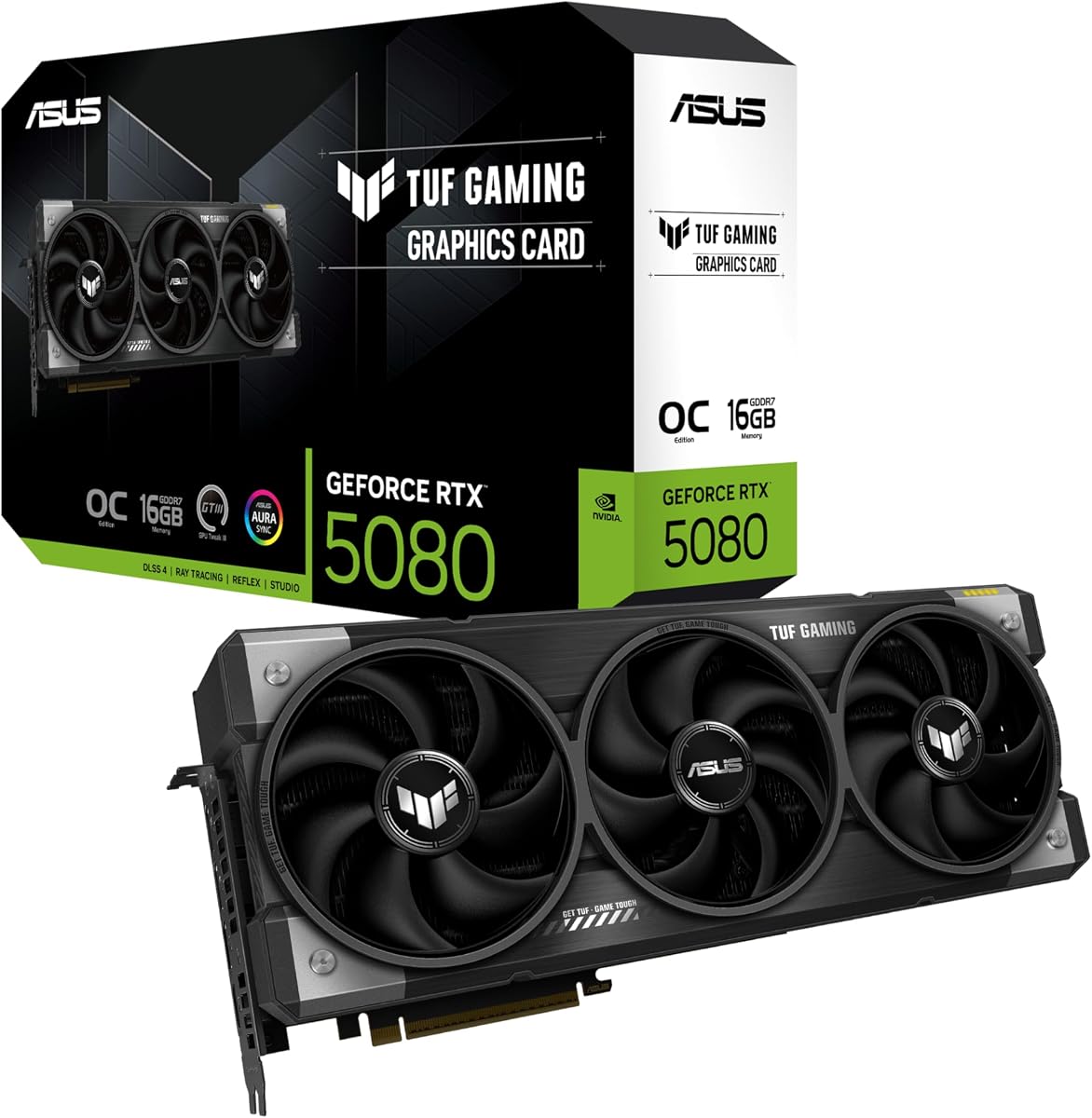

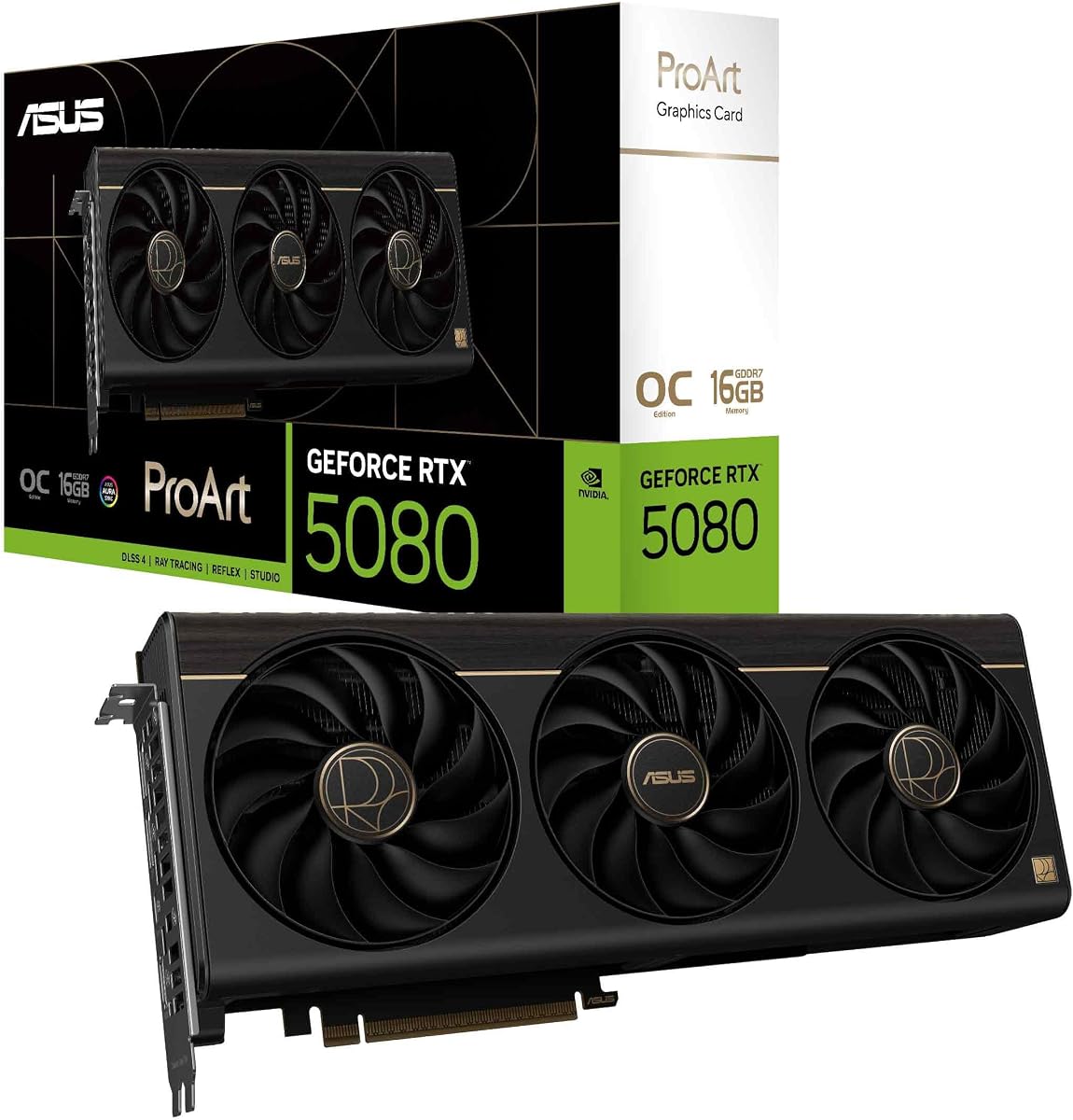

This card stands out with its Blackwell architecture and 16GB GDDR7 memory making it a top choice for professional editors needing speed.
We may earn a commission when you buy through this link, at no additional cost to you.
It excels in real-time playback and complex effects rendering thanks to advanced CUDA cores and optimized drivers for creative applications.
The main trade-off is the cost but the performance gain justifies the investment for serious users working with 8K or heavy timelines.
Editors seeking the best balance of power and modern features should prioritize this model for their next workstation upgrade.
The architecture enables faster processing of OpenFX and Fusion compositions without dropped frames.
GDDR7 memory ensures high bandwidth for large asset workflows and future software updates.
We may earn a commission when you buy through this link, at no additional cost to you.
This workstation card brings real time ray tracing to professionals with reliable performance in supported creative software.
We may earn a commission when you buy through this link, at no additional cost to you.
It handles interactive workflows well and includes features tailored for stability and certification in production environments.
While not the fastest by today's standards it remains a cost effective option for entry level professional workstations.
Users needing certified drivers and stable rendering should consider this card for smaller editing setups.
Designed for professional apps ensuring fewer crashes during critical rendering tasks.
Supports fast feedback loops for 3D elements within color grading timelines.
We may earn a commission when you buy through this link, at no additional cost to you.
Known for its massive core count this card delivers substantial power for rendering and AI tasks in modern software.
We may earn a commission when you buy through this link, at no additional cost to you.
It offers excellent support for tensor operations which accelerates machine learning tools and noise reduction features.
The main drawbacks include older architecture and higher power consumption compared to newer consumer models available today.
It is a strong choice for users upgrading legacy systems who need raw compute power immediately.
Tensor cores speed up AI driven noise reduction and auto color matching tools.
High core count ensures quick completion of complex frame exports and simulations.
We may earn a commission when you buy through this link, at no additional cost to you.
This professional card offers a massive 32GB of memory ideal for handling huge 8K projects without swapping.
We may earn a commission when you buy through this link, at no additional cost to you.
It features the latest RDNA 4 architecture which provides significant improvements in compute and ray tracing speeds.
While the blower cooler is efficient for density it can be louder than open fan designs in office environments.
Users needing high capacity for complex multi-app workflows will find this card highly beneficial for productivity.
32GB memory prevents bottlenecks when using heavy assets and high resolution assets.
Optimized for multi-GPU setups allowing scalable performance in rendering farms.
We may earn a commission when you buy through this link, at no additional cost to you.
This model offers impressive performance per dollar with 16GB memory that handles standard 4K editing comfortably.
We may earn a commission when you buy through this link, at no additional cost to you.
It delivers smooth playback and fast export times making it a top recommendation for independent creators on a budget.
The primary limitation is fewer professional drivers compared to workstation cards but it works well for standard workflows.
Budget conscious editors should choose this card to save money without sacrificing raw processing power.
Delivers high frame rates and quick renders at a much lower price than peers.
Sufficient memory for most 4K timelines and moderate effects without slowdowns.
We may earn a commission when you buy through this link, at no additional cost to you.
This enterprise grade GPU offers an unrivaled 96GB of memory designed for the most demanding AI and rendering projects.
We may earn a commission when you buy through this link, at no additional cost to you.
It supports error correction memory which ensures stability during long render jobs where data integrity is critical.
The cost is very high and it is mostly for organizations requiring maximum capacity and multi user isolation features.
Enterprises building high end rendering farms or AI studios should consider this card for future proofing.
ECC memory prevents data corruption during long compute cycles and exports.
Partition a single GPU into secure instances for different users or workflows.
We may earn a commission when you buy through this link, at no additional cost to you.
Built with military grade components this card offers reliability and performance for daily editing workloads.
We may earn a commission when you buy through this link, at no additional cost to you.
It features a robust cooling solution that maintains high clock speeds even under heavy rendering conditions.
The card is large and requires significant case clearance which may limit installation options for smaller builds.
Editors prioritizing durability and sustained performance should look to this model for their upgrade.
Protective PCB coating prevents moisture damage ensuring long term reliability.
High airflow design ensures consistent speeds during long export sessions.
We may earn a commission when you buy through this link, at no additional cost to you.
This card provides a compelling alternative with large memory and dedicated media engines for high resolution workflows.
We may earn a commission when you buy through this link, at no additional cost to you.
It features modern display outputs that support multiple 8K monitors for expansive workstation setups.
While Intel drivers are improving adoption in creative apps is still catching up to NVIDIA and AMD options.
Users interested in testing new architecture or maximizing bandwidth for multi display setups may find this useful.
Dedicated transcoders enable fast exports in H.264 and HEVC formats.
Four DP 2.1 outputs allow connecting multiple high resolution reference monitors.
We may earn a commission when you buy through this link, at no additional cost to you.
Part of the ProArt line this card is designed with creators in mind featuring optimized cooling and connectivity.
We may earn a commission when you buy through this link, at no additional cost to you.
It offers a USB Type-C port that supports fast data transfer and direct monitor connections for video workflows.
The vapor chamber heatsink ensures quiet operation which is essential for audio sensitive editing environments.
Professionals valuing design and connectivity features should consider this card for their studio setup.
USB Type-C port simplifies connection to external displays and storage devices.
MaxContact heatsink reduces noise during intensive rendering tasks for audio work.
We may earn a commission when you buy through this link, at no additional cost to you.
This compact card fits into smaller cases while still offering 16GB memory and modern architecture support.
We may earn a commission when you buy through this link, at no additional cost to you.
It delivers solid performance for standard editing tasks without taking up excessive space in a workstation.
It may struggle with very heavy timelines compared to higher tier models but covers most common needs well.
Users with small cases or entry level professional needs should choose this card for balance and size.
2.5-slot design allows installation in compact workstations and SFF cases.
Dual BIOS lets you switch between quiet and performance modes easily.
We may earn a commission when you buy through this link, at no additional cost to you.
Selecting the right GPU involves balancing memory capacity architecture support and budget constraints for your specific editing needs.
VRAM is crucial for handling high resolution timelines and effects. At least 16GB is recommended for 8K or complex projects.
Prioritize cards with larger VRAM pools to avoid playback issues and ensure smooth rendering speeds.
Davinci Resolve benefits from NVIDIA CUDA cores for acceleration. AMD and Intel options exist but may lack specific optimizations.
Choose an architecture with strong driver support for the software version you plan to use regularly.
Rendering tasks generate heat so a robust cooling system is necessary for sustained performance. Blower fans are better for multi-GPU setups.
Ensure your power supply matches the cards TDP to avoid instability during heavy workloads.
PCIe 5.0 offers higher bandwidth which helps with data transfers between CPU and GPU. It ensures future compatibility.
Select a card with the latest interface to maximize data throughput and reduce bottlenecks.
High resolution workflows require DisplayPort connections for external monitors. Check that the card has enough ports for your setup.
Ensure outputs support the resolutions you need such as 8K or 4K for reference monitoring.
Professional GPUs cost more but offer stability and certified drivers. Consumer cards provide strong performance at lower prices.
Balance your budget by choosing a model that meets current needs without overspending on unused features.
Large cards require spacious cases with proper airflow. Check dimensions before buying to ensure physical fit.
Compact models may fit small workstations but might have reduced cooling capacity.
AI features like noise reduction benefit from tensor cores or dedicated accelerators. Ensure the card supports these tasks efficiently.
Look for specific AI features if you use machine learning tools regularly in your workflow.
Always update your GPU drivers to the latest version before launching Davinci Resolve to ensure compatibility and bug fixes.
Use software monitoring tools to check temperatures during renders to prevent thermal throttling or overheating issues.
Keep your system free of dust and maintain good airflow to prolong the lifespan of the graphics card.
For color grading, NVIDIA GPUs with large VRAM are preferred due to CUDA acceleration. The RTX 5080 series offers excellent performance and memory for smooth grading and playback without lag.
Editing 8K footage typically requires at least 16GB of VRAM to handle high bandwidth and texture loads. Models with 32GB or more provide better headroom for complex timelines.
AMD GPUs are supported but NVIDIA is generally recommended for OpenFX and Fusion. Ensure your specific AMD model has stable drivers for the software version you are using.
Crashes often indicate overheating or driver issues. Update drivers ensure proper airflow and check your power supply. If problems persist try rolling back to a stable driver version.
Workstation GPUs offer better stability and support but are expensive. For most editors consumer cards are sufficient unless you need certified drivers for specific enterprise software.
Davinci Resolve supports multiple GPUs for certain tasks like rendering and playback. However not all applications scale well so ensure your motherboard supports multi GPU setups.
You can use third party tools like HWMonitor or GPU-Z to track usage and temperature. These tools help you understand if the GPU is throttling or overloaded during work.
The GIGABYTE GeForce RTX 5080 Gaming OC stands out as the top choice for its blend of speed and modern features suited for pros.
Consider your specific timeline complexity and budget before buying to ensure the card fits your workflow needs without excess cost.
Always verify current pricing and availability since hardware markets change quickly before placing your final order online.