
Lenovo Business Laptop Linux Mint
4.6Editor score
Intel i5-1335U Processor
16GB RAM 256GB SSD
Linux Mint Cinnamon
This guide compares the top ten Linux laptops available in October 2026, evaluating performance, build quality, and software compatibility for developers and
Linux laptops offer a powerful alternative to traditional operating systems, providing stability, security, and customization for developers and tech enthusiasts who demand control over their computing environment without unnecessary bloat.
We evaluated ten distinct models ranging from rugged field workhorses to high-performance AI machines, analyzing processor power, memory capacity, storage speed, display quality, and native Linux support to determine the best options for various workflows.
Each pick highlights specific strengths like battery life, port selection, or processing power to help you find the right machine, but remember that availability and pricing can change quickly so verify current details before purchasing today.
4.6Editor score

4.8Editor score
5.0Editor score
The following table provides a side-by-side comparison of all ten selected Linux laptops, highlighting key specifications such as processor type, memory size, storage capacity, and operating system to help you make an informed decision based on your specific technical needs and budget constraints.


The Lenovo ThinkPad L14 Gen 5 stands out as a top contender for developers needing a reliable machine with modern internals. It ships with a vanilla Linux system ensuring you get a clean slate without unnecessary pre-installed software or driver conflicts.
We may earn a commission when you buy through this link, at no additional cost to you.
Its AMD Ryzen 5 PRO 7535U processor paired with 16GB of DDR5 RAM delivers impressive multitasking performance. The 14-inch WUXGA display offers higher vertical resolution than standard Full HD screens, providing more workspace for coding or documentation.
While the SSD capacity is modest at 256GB, the DDR5 memory bandwidth significantly boosts system responsiveness. The inclusion of a fingerprint reader adds a layer of security that is often missing in budget Linux configurations.
This machine is ideal for professionals who need a balance of portability and power. Although the keyboard layout requires stickers, the overall build quality and performance make it a solid choice for daily development tasks.
The DDR5 RAM and newer Ryzen processor ensure this laptop remains viable for several years of development work.
Vanilla Linux means you can configure the environment exactly as you need without bloatware interference.
We may earn a commission when you buy through this link, at no additional cost to you.
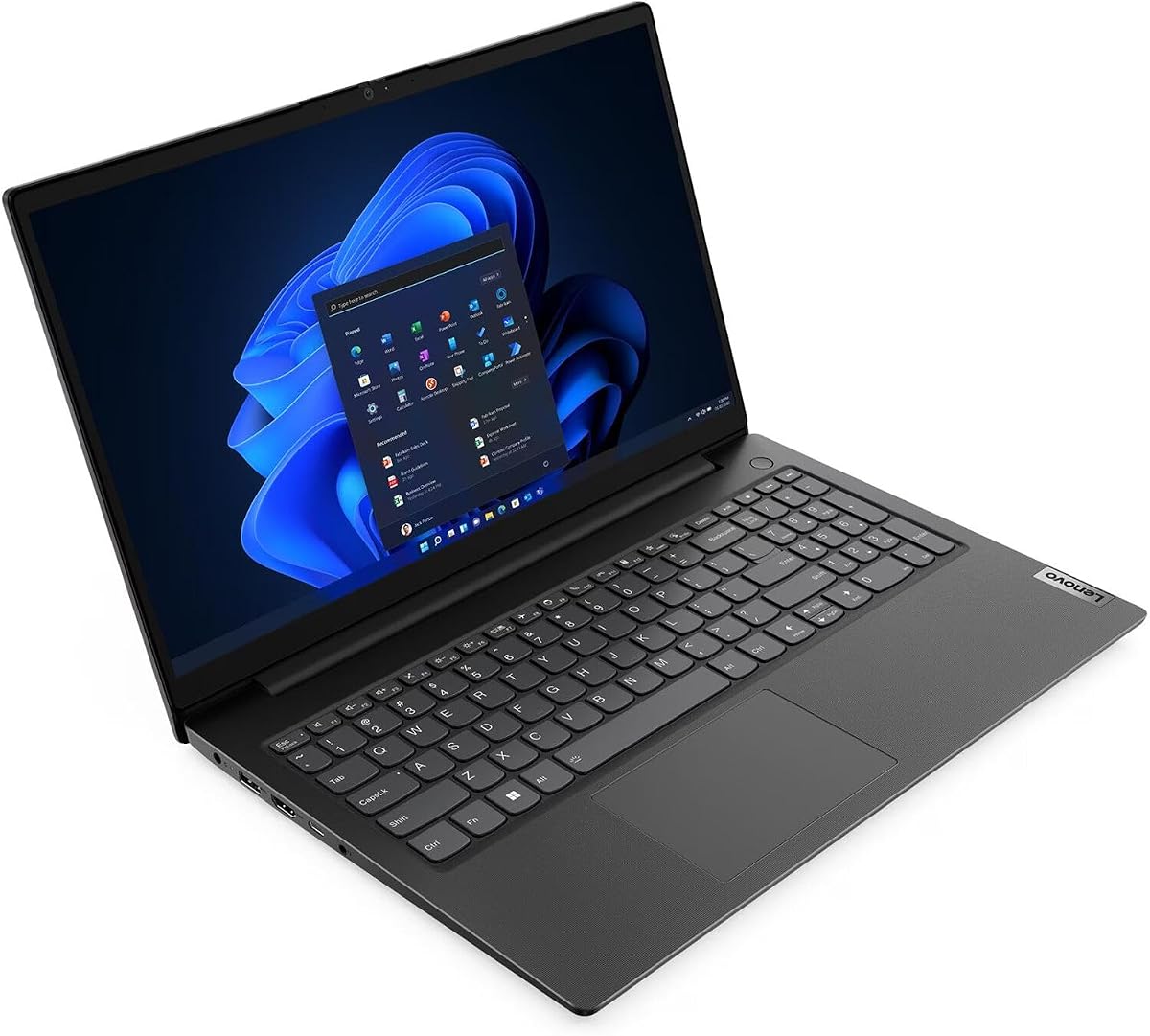
For users seeking a straightforward and affordable Linux experience, this Lenovo Business Laptop delivers essential performance without breaking the bank. The inclusion of Linux Mint Cinnamon provides a familiar desktop environment for those transitioning from Windows.
We may earn a commission when you buy through this link, at no additional cost to you.
The Intel Core i5-1335U processor offers a modern architecture that handles general productivity tasks efficiently. Combined with 16GB of RAM, this machine can comfortably run multiple browser tabs, IDEs, and background services simultaneously.
The 15.6-inch FHD display is standard but adequate for most office and coding tasks. The full keyboard with a number pad is a significant advantage for data entry roles where small keys on compact laptops become cumbersome.
While not built for heavy graphical work, this laptop excels in reliability and cost-effectiveness. It serves as an excellent primary machine for students or professionals who need a stable Linux terminal and web browsing capabilities.
The full number pad and comfortable keyboard layout make this ideal for data entry and administrative tasks.
The i5-1335U brings recent architectural improvements that enhance battery life and responsiveness.
We may earn a commission when you buy through this link, at no additional cost to you.
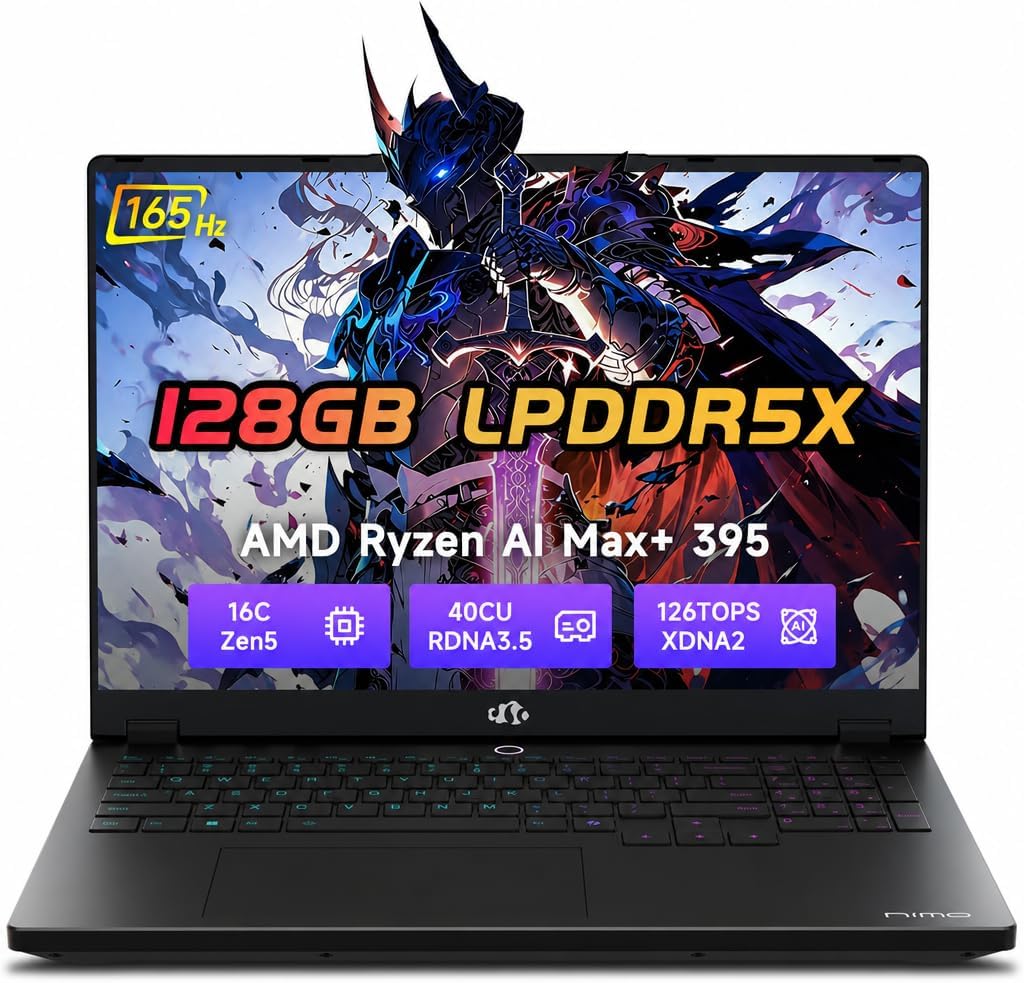
The NIMO 16 AI Laptop represents the pinnacle of current Linux laptop technology, designed specifically for heavy workloads like large language model training and complex data processing. Its sheer hardware specifications dwarf most consumer devices on the market.
We may earn a commission when you buy through this link, at no additional cost to you.
Equipped with the AMD Ryzen Max+ 395 processor and 128GB of LPDDR5x RAM, this machine can handle dozens of Docker containers or virtual machines without hesitation. The 4TB SSD ensures you have ample space for large datasets and local model weights.
The 16-inch QHD+ display with a 165Hz refresh rate provides stunning visuals and smooth scrolling which benefits both developers and media consumers. The 99Wh battery allows for extended productivity sessions even when tethered to intensive tasks.
While the price is substantial, the performance gains justify the cost for professionals and researchers. If you need a portable workstation that rivals desktop capabilities for AI development, this is currently the strongest option available.
The hardware is explicitly tuned to run fine-tuned large language models locally with high efficiency.
Dual USB 4.0 ports enable triple screen setups and high-speed data transfers for external storage.
We may earn a commission when you buy through this link, at no additional cost to you.
This IdeaPad Slim 3 offers a versatile computing experience with a touchscreen that is compatible with various Linux touch gestures. The inclusion of a stylus pen makes it suitable for note-taking or light creative work within the Linux environment.
We may earn a commission when you buy through this link, at no additional cost to you.
The AMD Ryzen 7 5825U provides robust processing power for multitasking. Combined with 16GB of RAM and a generous 1TB SSD, users will not face storage limitations during daily workflows or software development projects.
The bundle includes external accessories like a portable SSD and USB hub which adds value. However, the overall rating suggests there may be some inconsistency in build quality or support compared to other Lenovo models in this list.
It is a strong choice for those who specifically need a touchscreen on a budget-friendly Linux machine. The Ubuntu OS ensures broad software compatibility and ease of use for most standard applications.
The combination of touch and stylus allows for digital sketching and annotation in supported apps.
A 1TB internal drive plus a portable external SSD means you can store large video or data files easily.
We may earn a commission when you buy through this link, at no additional cost to you.
The IdeaPad Slim 3 Linux Laptop brings durability and performance to a mid-range price segment. Its military-grade construction means it can withstand minor bumps and drops better than typical consumer plastic laptops.
We may earn a commission when you buy through this link, at no additional cost to you.
With the Ryzen 7 5825U, it delivers smooth performance for general computing. The slim profile makes it easy to carry, while the privacy shutter on the webcam offers essential physical security for remote workers.
Connectivity is well-covered with USB A, USB C, HDMI, and an SD card reader. This variety reduces the need for dongles when connecting to external displays or storage devices during presentations.
This model is suitable for students or field workers who need a resilient machine. The Linux Ubuntu OS provides a secure and stable platform for daily use without unnecessary overhead or proprietary restrictions.
Military-grade testing ensures the device remains functional even in less-than-ideal physical environments.
The built-in privacy shutter gives you physical control over your camera access without relying on software.
We may earn a commission when you buy through this link, at no additional cost to you.
The Panasonic Toughbook CF-31 is engineered for extreme environments where standard laptops would fail. Certified to military standards, it survives drops, water, and vibration making it perfect for outdoor or industrial fieldwork.
We may earn a commission when you buy through this link, at no additional cost to you.
Its 1200-nit display is visible in direct sunlight which is crucial for technicians working outside. The integrated 4G LTE modem ensures you stay connected even in remote areas without relying on Wi-Fi hotspots.
It includes legacy serial ports for connecting to industrial machinery or automotive tools directly. While the specs are older, the reliability and specialized connectivity options justify its existence for specific professional use cases.
This is not a general-purpose laptop but a specialized tool. If you work in logistics, construction, or utility management, this rugged Linux system provides the durability needed to keep operations running smoothly.
Native serial ports allow direct connection to older industrial hardware without adapters.
The high brightness screen ensures visibility even in the harshest lighting conditions.
We may earn a commission when you buy through this link, at no additional cost to you.
The Lenovo Thinkbook 13s achieves a perfect rating for its balanced performance in a premium business chassis. The aluminum body gives it a professional look while keeping the weight low enough for frequent travel.
We may earn a commission when you buy through this link, at no additional cost to you.
Linux Mint offers a stable and user-friendly interface that works well with the ThinkBook hardware. The IPS display provides good color accuracy and wide viewing angles essential for presentations or collaboration.
Security is a priority with the TPM 2.0 chip and ThinkShutter camera feature. These hardware-level protections add peace of mind for business users handling sensitive data on the go.
While the storage is limited, the build quality and overall user experience justify the model. It is an excellent choice for consultants or executives who need a reliable Linux laptop for daily business operations.
The aluminum unibody design feels durable and looks sleek in professional settings.
TPM and camera shutter provide essential security features for corporate environments.
We may earn a commission when you buy through this link, at no additional cost to you.
This Lenovo Business laptop distinguishes itself with a high memory configuration of 20GB RAM which is useful for memory-intensive applications. The 15.6-inch screen provides ample workspace for multitasking in a traditional laptop form factor.
We may earn a commission when you buy through this link, at no additional cost to you.
While it uses a mechanical hard disk drive for storage which is slower than SSDs, the capacity is large at 1TB. This is suitable for archiving large files where speed is less critical than volume.
The inclusion of a full number pad makes it practical for financial or data entry tasks. Linux Mint Cinnamon provides a smooth desktop experience that complements the hardware capabilities effectively.
Users should be aware that the hard drive may be a bottleneck for boot times. If you prioritize raw speed, an SSD is preferable, but for budget-conscious users needing capacity this machine delivers value.
A 1TB hard drive allows for storing extensive media libraries without worrying about space.
20GB of RAM enables running many applications simultaneously without performance drops.
We may earn a commission when you buy through this link, at no additional cost to you.
This variant of the Thinkbook 13s boosts internal specs with 32GB of RAM and a 1TB PCIe SSD. These upgrades make it much more capable for heavy multitasking than the base model while keeping the same chassis.
We may earn a commission when you buy through this link, at no additional cost to you.
The addition of Dolby Vision HDR support on the display enhances media consumption quality. For developers, the increased RAM allows running virtual machines more comfortably without swapping to disk.
The fingerprint reader adds convenient biometric security for login. The backlit keyboard ensures you can work in dimly lit environments without straining your eyes.
This model offers a sweet spot between performance and portability. If you need more power than the standard ThinkBook provides but want to maintain a sleek business look this is a strong candidate.
32GB RAM allows for running multiple virtual machines or containers simultaneously.
The 1TB PCIe SSD offers quick load times for large files and applications.
We may earn a commission when you buy through this link, at no additional cost to you.
The final entry in our list is a balanced Thinkbook 13s that combines 16GB RAM with a fast 1TB SSD. This configuration ensures you have enough speed for daily tasks and enough space for projects.
We may earn a commission when you buy through this link, at no additional cost to you.
Dolby Audio provides a rich sound experience for video calls or entertainment which is often overlooked in business laptops. The lightweight design makes it easy to slip into a backpack for travel.
Security features include a Trusted Platform Module to protect your data and system integrity. The backlit keyboard and aluminum body maintain the premium feel of the ThinkBook series.
This model serves as a reliable workhorse for general office use and light development. It offers a great balance of features without the extremes of the high-end or budget options available on the market.
16GB RAM plus 1TB SSD is the ideal sweet spot for most general computing needs.
Dolby Audio ensures clear sound for conferencing and media without external speakers.
We may earn a commission when you buy through this link, at no additional cost to you.
Selecting a Linux laptop involves more than just picking the cheapest option. You must consider hardware compatibility, build quality, and specific requirements for your workflow to ensure a smooth experience.
The processor is the brain of your laptop. For general coding and web work an Intel i5 or AMD Ryzen 5 is sufficient. For virtualization or AI tasks look for models with at least 8 cores like the Ryzen 7 or Ryzen Max+ series.
Prioritize newer generations of processors to ensure better battery life and instruction set support for modern development tools.
RAM determines how many applications you can run simultaneously. 16GB is the recommended minimum for development environments. If you use virtual machines or large datasets aim for 32GB or more to avoid system lag.
Look for DDR5 RAM in newer models for faster data transfer speeds which can noticeably improve system responsiveness.
Always choose a Solid State Drive (SSD) over a mechanical Hard Disk Drive (HDD). PCIe NVMe SSDs are significantly faster and more reliable. A 512GB capacity is standard but 1TB is better for long-term storage needs.
Storage speed affects boot times and application loading. An SSD ensures your Linux OS feels snappy and responsive during daily use.
A high-resolution display reduces eye strain during long work sessions. 14-inch models offer a balance of portability and screen real estate. 15.6-inch models are better for those who prefer larger visuals or use a dock often.
Look for IPS panels to ensure accurate colors and wide viewing angles. High brightness is crucial if you work in well-lit offices or outdoors.
Some laptops come with Ubuntu while others have Linux Mint or a vanilla Linux installation. Check which distribution is pre-installed and if it matches your preference. Ubuntu has broad software support while Mint offers a more traditional desktop layout.
Ensure the hardware drivers for Wi-Fi and graphics are open-source to avoid dependency on proprietary blobs which can complicate updates.
Aluminum bodies resist dents and provide better thermal dissipation than plastic. For field work look for MIL-STD certification and water resistance. Durability ensures the laptop survives the rigors of travel or industrial environments.
A sturdy hinge is also important for the lifespan of the screen. A well-built chassis protects internal components from minor drops and impacts.
Modern laptops often lack legacy ports. Ensure the model has enough USB-A and USB-C ports for your peripherals. HDMI is essential for external monitors. If you use industrial tools check for legacy serial ports.
Wi-Fi 6 or 6E support ensures fast internet speeds and better performance in crowded wireless environments. Bluetooth is necessary for peripherals like mice and keyboards.
For mobile work a battery life of at least 8 hours is desirable. High performance processors may drain the battery faster so balance power needs with portability. Fast charging helps you get back to work quickly.
Battery health degrades over time. Choosing a model with replaceable battery or long-term software support extends the usable life of the device.
Start by familiarizing yourself with the file manager and terminal tools. Learn basic commands like sudo, apt, and systemctl to maintain your system effectively. Installing software via the terminal often provides more control than the graphical software center.
Keep your system updated regularly to receive security patches and bug fixes. Use the built-in update manager or run command line updates weekly. Regular maintenance ensures your laptop remains stable and protected from vulnerabilities.
Avoid exposing the laptop to extreme temperatures or moisture. Keep the vents clear of dust to prevent overheating. Using a cooling pad can help if you run resource-intensive tasks for extended periods.
Yes, most of these laptops allow you to install Windows alongside Linux if needed. You will need to create a bootable Windows USB installer and partition the drive carefully. Some models ship with Linux pre-installed so you may need to install Windows from scratch first.
Most modern laptops use standard hardware that is supported by the Linux kernel. However, specific features like fingerprint readers or specialized Wi-Fi cards may require manual driver configuration. Check manufacturer forums for specific guidance before purchasing.
Yes you can run many Windows applications using compatibility layers like Wine or virtualization tools like VirtualBox. Some apps work natively but others may have performance issues. For critical enterprise software verify compatibility before relying on a Linux system.
Linux removes the cost of a Windows license from the hardware price. This often allows manufacturers to price the device lower or include better hardware for the same cost. Additionally free open-source alternatives exist for common productivity needs.
Linux Mint is often recommended for beginners because of its familiar desktop layout and ease of use. Ubuntu is also a popular choice with extensive documentation. These distributions make the transition from Windows smoother for new users.
Some vendors offer enterprise support plans for their Linux laptops which include hardware warranty and system assistance. You can also rely on community forums and documentation which are extensive for popular distributions like Ubuntu.
Linux gaming has improved significantly with tools like Steam Proton. Many modern titles run well on these laptops. However you may still encounter compatibility issues with anti-cheat software or specific games that require Windows only.
Some models like the ThinkPad have upgradable RAM slots while others have soldered memory. Check the product details for your specific model. If the RAM is soldered you must choose the correct capacity at the time of purchase.
Our selection of the top ten Linux laptops highlights the diversity of options available today. From the rugged Panasonic Toughbook to the high-performance NIMO AI machine there is a model for every type of user and requirement.
Prioritize the factors that matter most to your workflow such as memory capacity or build durability. A machine that meets your specific needs will serve you better than one with generic high specs that do not align with your tasks.
Remember that prices and availability can change frequently. Check the current listings for the most accurate details before making a purchase to ensure you get the best value for your investment.