
MT-92H Light Meter
4.6Editor score
Split sensor technology design
Lux and foot candle units
Compact durable housing build
This guide compares the top analog light meter options for photographers and cinematographers seeking reliable, battery-free exposure tools in 2026.
Finding the right analog light meter ensures precise exposure control without relying on batteries or complex digital menus. These tools remain essential for studio and field work where reliability and speed are paramount for professionals.
We evaluated ten top-rated models based on accuracy, build quality, and user feedback. Each product offers unique features tailored to different lighting scenarios, from simple ambient checks to advanced cinematic exposure needs.
Every pick highlights key strengths and practical use cases to help you choose wisely. Note that pricing fluctuates frequently, so verify current offers before purchasing to ensure you get the best value available today.
4.6Editor score

4.6Editor score
5.0Editor score
This side-by-side comparison highlights key specifications across all ten models to help you quickly identify the right tool for your specific photography or lighting needs.

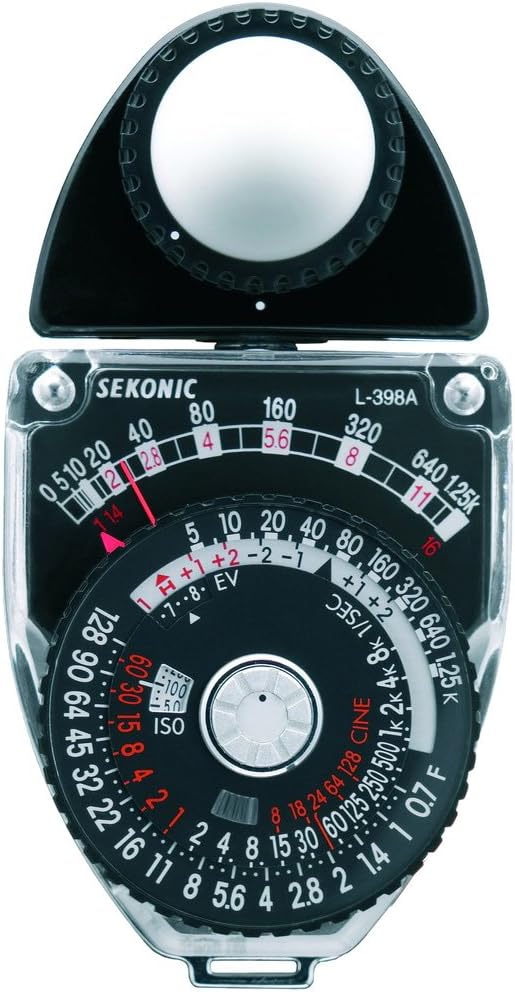


The Sekonic L-398A Studio Deluxe III stands out as the premier analog light meter for professionals who value reliability above all else. Its battery-free design ensures you never face downtime due to dead power sources, making it a staple in studios and on location sets.
We may earn a commission when you buy through this link, at no additional cost to you.
The amorphous photocell generates power directly from ambient light, providing consistent readings across a wide dynamic range. The swivel head allows for precise incident measurements while keeping the full dial readout visible for quick aperture and shutter speed adjustments without complex menus.
While it lacks digital features like memory storage, the simplicity is a strength for workflow efficiency. The included accessories like the lumisphere and lumidisc extend its utility for diverse lighting scenarios, ensuring accurate exposure for both stills and motion picture production.
Photographers and cinematographers seeking a rugged, timeless tool will find this meter indispensable. It delivers the precision needed for critical lighting setups without the fragility or dependency of electronic components.
The integrated amorphous photosensor eliminates the need for batteries, ensuring the meter is always ready to work whenever you need accurate exposure readings.
Comes with lumisphere, lumidisc, lumigrid, and high slide to handle varied measurement needs from general scene light to selective area readings.
We may earn a commission when you buy through this link, at no additional cost to you.
The MT-92H offers exceptional value for users needing precise illuminance measurements without breaking the bank. Its split sensor technology is a standout feature, allowing you to keep the sensor in place while monitoring readings remotely, which is ideal for complex setups.
We may earn a commission when you buy through this link, at no additional cost to you.
Accuracy is high with ±3% error margins across most ranges, and the refresh rate captures subtle light changes quickly. The dual unit support for Lux and foot-candles ensures compatibility with international standards, while the temperature function adds environmental monitoring utility.
The display is bright and readable even in direct sunlight or total darkness thanks to the switchable backlight. While it relies on standard batteries, the power management and compact form factor make it a practical tool for frequent use.
This meter is perfect for set design, factory inspections, or home use where cost efficiency matters. It balances functionality and affordability better than many competitors in its price class.
The advanced split light sensor enables simultaneous measurement while allowing flexible positioning to maintain integrity during readings.
Seamlessly toggle between Lux and foot-candles alongside Celsius or Fahrenheit for comprehensive environmental data in one device.
We may earn a commission when you buy through this link, at no additional cost to you.
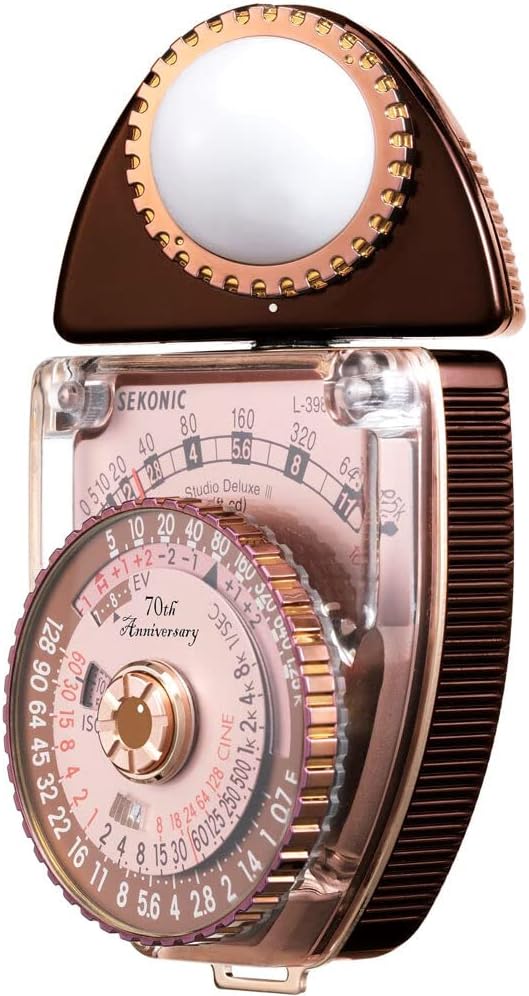
This anniversary edition represents the pinnacle of analog light meter craftsmanship, blending heritage with precise performance. Designed for high-end professionals, it delivers instant readings across a full range of aperture and shutter combinations without digital lag or complexity.
We may earn a commission when you buy through this link, at no additional cost to you.
The sensor technology is refined to ensure maximum accuracy for critical lighting work in studios or on large production sets. The build quality reflects its premium status, with durable materials and a design that prioritizes ease of use and longevity.
While expensive, it serves as both a functional tool and a collectible item for enthusiasts of photography history. The simplicity of the analog dial reduces cognitive load, allowing operators to focus entirely on the scene rather than interface settings.
For those who demand the best and appreciate the artistry of mechanical precision, this meter is unmatched. It combines reliability with a touch of exclusivity that justifies the investment for top-tier projects.
A limited edition tribute to 70 years of Sekonic innovation, offering a unique design alongside top-tier performance metrics.
Instant reading capabilities ensure you capture lighting nuances efficiently, essential for high-end cinematography and photography workflows.
We may earn a commission when you buy through this link, at no additional cost to you.
This variant of the Studio Deluxe III is specifically tailored for cinematographers who need a robust tool that travels well. The inclusion of a protective case and strap ensures your meter stays safe during transport on busy sets.
We may earn a commission when you buy through this link, at no additional cost to you.
The 180-degree Lumisphere allows for general readings of three-dimensional objects, which is critical for capturing accurate light fall-off in 3D environments. Its battery-free operation means you never have to worry about finding replacements in the middle of a shoot.
It shares the core reliability of other L-398A models but focuses on convenience with the included accessories. The analog display keeps operation intuitive, letting you check light levels quickly while walking the set with ease.
Ideal for filmmakers who value consistency and durability, this package offers everything needed for professional incident and reflected readings. It remains a staple choice for those preferring mechanical simplicity over digital interfaces.
Includes strap, case, Lumidisc, Lumigrid, and High Slide to expand versatility for varied lighting measurement scenarios.
Measures both incident and reflected light with interchangeable accessories for comprehensive exposure control in any scene.
We may earn a commission when you buy through this link, at no additional cost to you.
This digital illuminance meter bridges the gap between lighting and environmental monitoring with its dual measurement capabilities. It handles light intensity up to 200,000 Lux, covering everything from dim indoor settings to bright outdoor conditions effortlessly.
We may earn a commission when you buy through this link, at no additional cost to you.
The color LCD screen provides clear visibility even in challenging lighting, while the compact design makes it easy to carry in a pocket or small bag. Accuracy remains high with ±3% error margins below 10,000 Lux, ensuring trustworthy data for critical tasks.
Additional features like MIN/MAX readings, data hold, and auto power off enhance its utility for professional inspections. The inclusion of temperature measurement adds value for applications like HVAC checks or plant growing environments.
It is a practical tool for set design, factory quality control, or home use where versatility is key. The long warranty and lightweight build further support its role as a reliable daily driver.
Combines luminosity measurement with ambient temperature sensing in one handheld unit for broader environmental monitoring capabilities.
Features MIN/MAX readings and data hold to easily capture peak values without holding down buttons manually.
We may earn a commission when you buy through this link, at no additional cost to you.
Designed with versatility in mind, this meter delivers fast response times that capture dynamic lighting changes quickly. Its ability to toggle between FC and LUX units makes it adaptable for international standards or specific user preferences without confusion.
We may earn a commission when you buy through this link, at no additional cost to you.
The PEAK button locks in the highest value for brief light bursts, which is useful for measuring lightning, lasers, or strobe flashes accurately. This feature adds a layer of precision that basic meters often lack in dynamic environments.
A low battery alert keeps you from missing critical measurements due to power issues. The compact design fits easily in pockets, making it suitable for gardening, office checks, or factory inspections alike.
For users needing a straightforward tool with essential features, this model offers great value. It ensures you always have the right light intensity data to optimize growing environments or workspace safety.
Instantly lock in and display the highest light pulse value with a single press to measure brief high-intensity sources accurately.
Perfect for homes, offices, factories, or measuring sunlight intensity to create the perfect environment for plants to thrive.
We may earn a commission when you buy through this link, at no additional cost to you.
The Extech LT300 distinguishes itself with a remote sensor option that allows you to measure light from hard-to-reach places safely. This is ideal for inspecting high ceiling fixtures or dangerous industrial environments where proximity is risky.
We may earn a commission when you buy through this link, at no additional cost to you.
A cosine-corrected sensor ensures accuracy across different angles of light incidence, meeting professional standards for workplace safety inspections. The large backlit LCD display makes readings easy to view even in dimly lit rooms or low light conditions.
Features like zero adjustment and data hold help stabilize and log readings for consistent analysis over time. The unit is lightweight and durable, designed to withstand regular on-the-go use in various settings.
It serves professionals in facility management and lighting design who need reliable data without carrying heavy equipment. The combination of remote sensing and intuitive controls makes it a practical choice for efficient inspections.
Portable and reliable tool with protective sensor cover ideal for on-the-go inspections in lighting or facility safety contexts.
Large backlit LCD display makes readings easy to view in dim areas, while one-handed operation ensures comfort for professionals.
We may earn a commission when you buy through this link, at no additional cost to you.
The Gossen Luna Pro SBC combines ambient and flash metering in a single unit, catering to photographers who need both without carrying multiple tools. Its EV digital readout simplifies the process of transferring settings to camera shutter speed and f-stop rings.
We may earn a commission when you buy through this link, at no additional cost to you.
Unique utility features like a built-in clock, alarm, and temperature readout add versatility beyond basic light measurement. This makes it a convenient multi-purpose tool for on-location shoots where timing and environmental conditions matter.
While it may lack some modern digital conveniences, its analog-digital hybrid approach provides robust functionality for professionals who value flexibility. The brand's legacy assures quality in sensor performance and build integrity.
It is best suited for experienced photographers who appreciate its comprehensive mode options and additional features. Despite some mixed modern reviews, its versatility keeps it relevant for specific studio and field scenarios.
Measuring modes of incident or reflected light reading ensure accurate exposure for various photographic styles and lighting needs.
Includes digital readout in EV easily transferred to setting ring with clock alarm and temperature readout for broader utility.
We may earn a commission when you buy through this link, at no additional cost to you.
Fluke is synonymous with industrial-grade test equipment, and the 941 Light Meter upholds that reputation with robust design and accurate readings. It is built to withstand tough working environments while delivering consistent performance for critical illuminance testing.
We may earn a commission when you buy through this link, at no additional cost to you.
The device focuses on providing precise data for compliance and safety checks in professional settings. Its durability ensures it lasts through rigorous daily use, making it a reliable investment for facilities and safety officers.
Accuracy is key when evaluating workplace lighting, and this meter provides the confidence needed for official reports. While the price reflects its industrial positioning, the reliability justifies the cost for those requiring certified results.
Ideal for safety inspections, facility audits, or industrial maintenance, it excels where consistency and trustworthiness are paramount. It represents a top choice for professionals who demand the highest standards of equipment quality.
Fluke offers high-quality illuminance meter tester known for reliability and accuracy in professional industrial settings globally.
Designed to handle rigorous conditions with durable build quality suitable for factory, office, or safety testing requirements.
We may earn a commission when you buy through this link, at no additional cost to you.
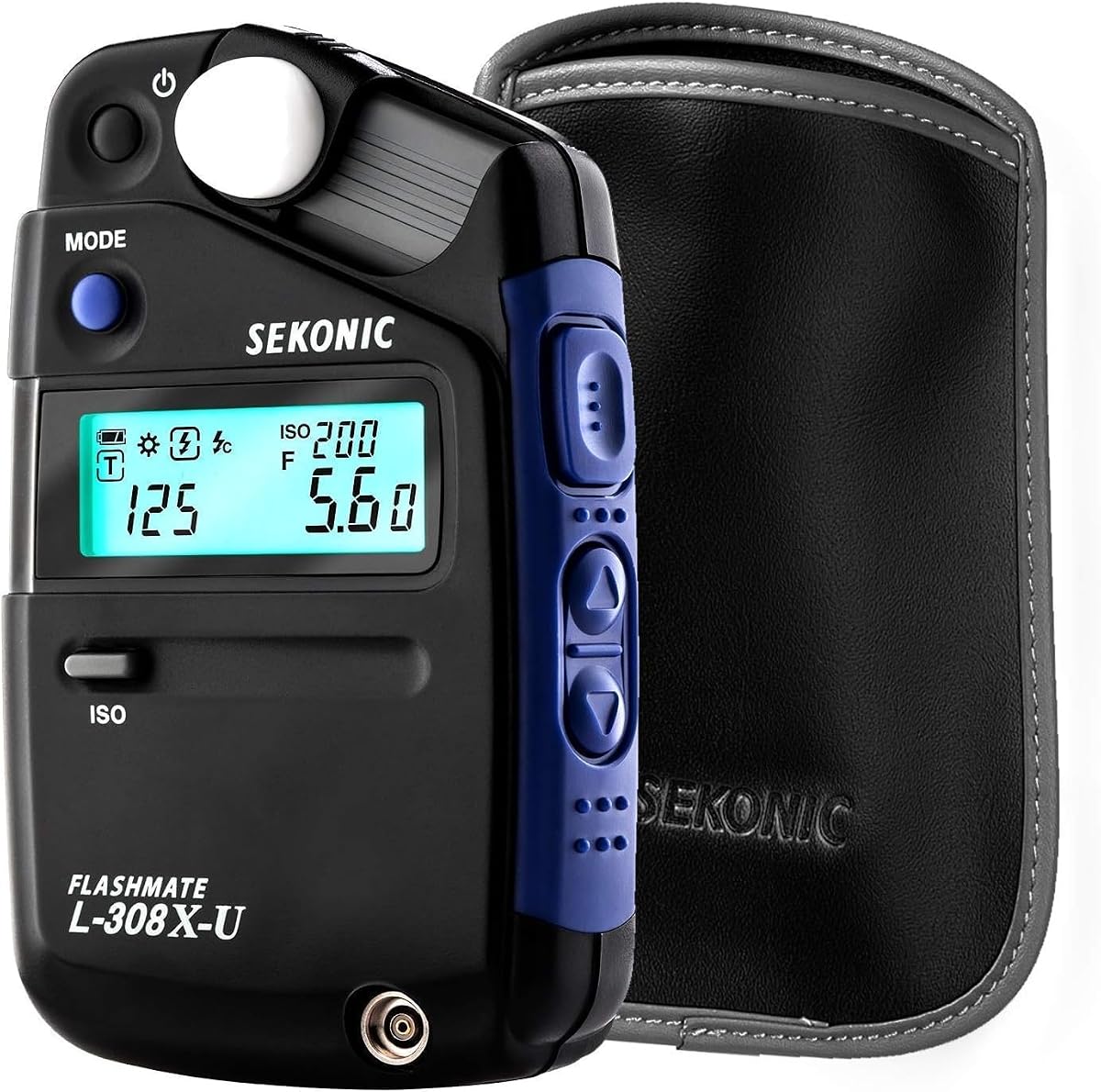
The Sekonic L-308X-U Flashmate brings digital precision to a pocket-sized form factor, appealing to photographers who want detailed exposure data on the go. It supports accurate readings down to a tenth of a stop for both ambient and flash light.
We may earn a commission when you buy through this link, at no additional cost to you.
Distinct modes for Photo, Cine, and HD Cine allow users to tailor settings to specific workflows seamlessly. Frame rates and shutter angles can be selected easily, which is crucial for videographers managing light under different frame rates.
The LCD screen includes auto backlighting for visibility in dim conditions, and it offers cord and cordless flash measurement options. Its small size ensures it fits easily in a jacket pocket without adding bulk to your gear.
This is the right choice for hybrid shooters who work with stills and video regularly. It provides the flexibility and accuracy needed for modern photography while remaining portable and user-friendly in the field.
Features Photo, Cine, and HD Cine modes to support DSLR, mirrorless videographers, and cinema grade cameras with one-tenth stop accuracy.
Pocket-sized design ensures portability without sacrificing performance, making it easy to carry for quick exposure readings anywhere.
We may earn a commission when you buy through this link, at no additional cost to you.
Selecting the right analog light meter involves weighing key factors such as power source, build quality, and specific feature sets to match your photography or cinematography needs.
Analog meters like the Sekonic L-398A often use amorphous photocells to eliminate batteries, ensuring you never lose power during a shoot. Digital alternatives rely on standard cells, so check battery life and access to replacements before buying.
Prioritize battery-free models if you need a tool that is always ready without maintenance or spare power sources.
Some meters measure only reflected light, while others allow both incident and reflected readings. Incident metering is generally preferred for studio work as it reads the light hitting the subject rather than bouncing off.
Choose a meter with interchangeable accessories like a lumisphere or disc to handle both modes effectively for accurate exposure control.
Professional models feature rugged housings and protective covers to withstand drops and rough handling on set. Look for devices with high-quality materials that can last through years of frequent use in diverse environments.
A durable build protects your investment and ensures consistent performance even in demanding field conditions.
Analog dials offer instant visual feedback without menu diving, while digital displays provide more data points and backlighting for low light. Consider which interface you find intuitive for quick adjustments during fast-paced shoots.
Ensure the display remains clear under direct sunlight or in dark studios so you can always read exposure values accurately.
Basic meters offer simple light readings, while advanced models include memory storage, EV calculation, and flash synchronization. Decide if you need extra tools like temperature readings or frame rate adjustments for cinematic workflows.
Select a meter that includes only the features you need to avoid complexity and keep the workflow streamlined and efficient.
Pocket-sized meters are ideal for photographers on the go, whereas larger units may offer bigger dials and more robust controls. Consider where you will carry it and how much space you have in your gear bag.
A compact design ensures you can quickly check lighting without delaying your work or burdening your load.
Analog meters range from budget-friendly digital options to premium collector's editions. Determine your budget based on how critical precise exposure is to your current projects and career stage.
Invest in a reliable model that fits your financial constraints but offers the accuracy required for professional results.
Check what comes in the box, such as cases, straps, or extra sensors. A good warranty and accessible customer support add peace of mind for long-term usage and potential repairs.
Additional accessories extend the meter's utility for different lighting scenarios, so verify their inclusion before finalizing your purchase.
Position the meter's sensor facing the light source or subject depending on whether you are taking incident or reflected readings. Ensure the device is steady and the dome or disc is clean for accurate measurements without obstruction.
Take readings in the same lighting conditions as your subject and adjust aperture or shutter speed accordingly. If using a swivel head, tilt it slightly to avoid shadows from your own body or equipment affecting the sensor.
Store the meter in a protective case when not in use to prevent physical damage and exposure to dust or moisture. Clean the lens and sensor regularly with a soft cloth to maintain optimal performance and reading accuracy over time.
Some analog meters like the Sekonic L-398A use amorphous photocells to generate power from ambient light, eliminating battery needs. Digital versions typically rely on standard batteries, so verify power requirements before purchasing.
Incident metering measures light falling on the subject, while reflected metering measures light bouncing off the subject. Incident readings are often more accurate for controlling studio lighting and exposure consistency.
Some models support flash metering through special modes or sensors, but basic analog meters focus on continuous ambient light. Check product specifications to ensure flash compatibility if that is a requirement.
High-quality analog meters are highly accurate and reliable for professional use. Digital meters may offer more data and features, but analog tools avoid electronic lag and battery dependency for consistent results.
Cinematographers often prefer analog meters for their simplicity, reliability, and quick access to exposure settings without complex menus. This streamlines workflow on set when speed and precision are essential.
Keep the meter clean, store it in a case, and avoid extreme temperatures. Check sensors and displays regularly for dust or damage and replace any needed parts promptly.
The Sekonic L-398A Studio Deluxe III remains the top choice for those seeking reliability without batteries, while budget-friendly options like the MT-92H offer great value for general use. Premium selections provide unique features for specialized workflows.
Prioritize power source independence, build quality, and compatibility with your shooting style to find the best tool. Ensure your chosen meter supports both incident and reflected readings for maximum versatility across various lighting scenarios.
Remember to check current prices and stock availability before purchasing since these products vary over time. Investing in a quality analog light meter ensures consistent exposure control and longevity for your photography or cinematography projects.